Probe flags regulatory failures at Hattar Industrial Estate
Inspection visits to Hattar Industrial Estate have uncovered licensing, environmental, food safety and labour violations. Residents and officials say the findings expose weak oversight and gaps in enforcement.

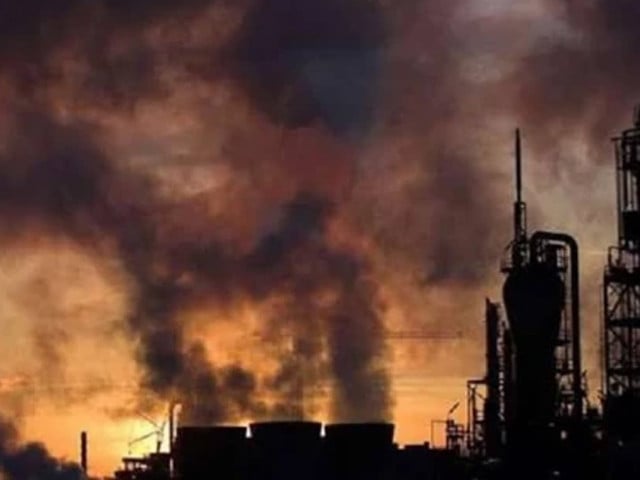
ISLAMABAD: Official inspection visits to the Hattar Industrial Estate have brought to light extensive regulatory breaches and broader weaknesses in oversight, with concerns raised about industrial regulation, environmental safeguards, labour protections and public health.
According to local residents, government inspection teams found that some factories were functioning without valid licences, while others were operating multiple industrial units under a single licence. The findings pointed to major shortcomings in regulatory monitoring and also prompted concerns about possible tax evasion.
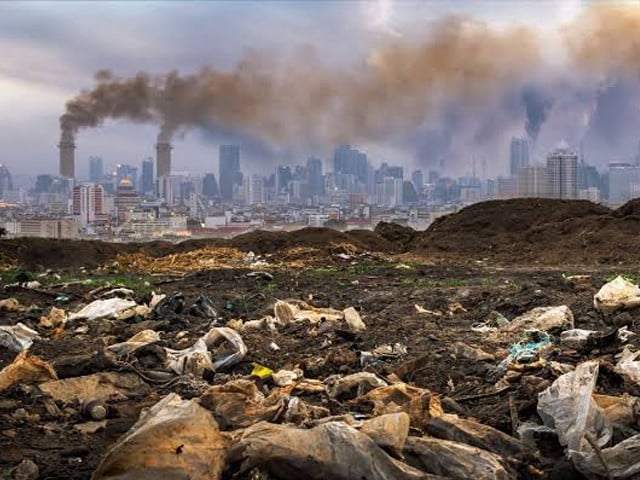
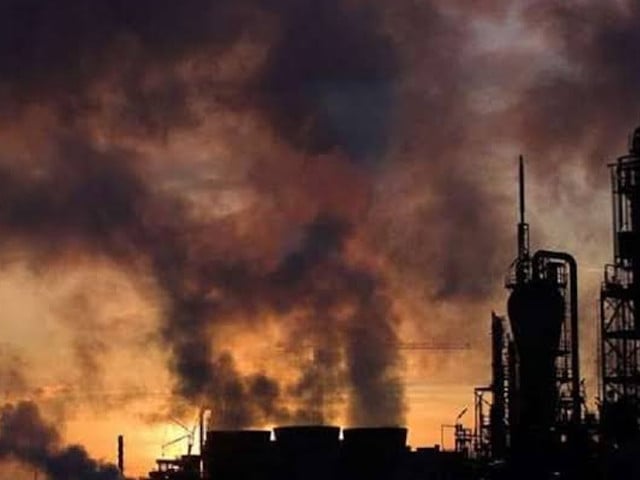
The inspections also identified a range of violations related to environmental protection, food safety and public health. Among the issues cited were factories manufacturing incompatible products within the same premises, hazardous industrial activities taking place side by side, and untreated industrial waste being released into the environment.
Residents said the inspections further alleged that certain manufacturers were using oil derived from slaughterhouse waste in the production of cooking oil. Laboratory testing reportedly showed that samples of cooking oil did not contain the nutritional additives advertised on their labels, adding to concerns over product standards and consumer safety.
Labour and enforcement concerns
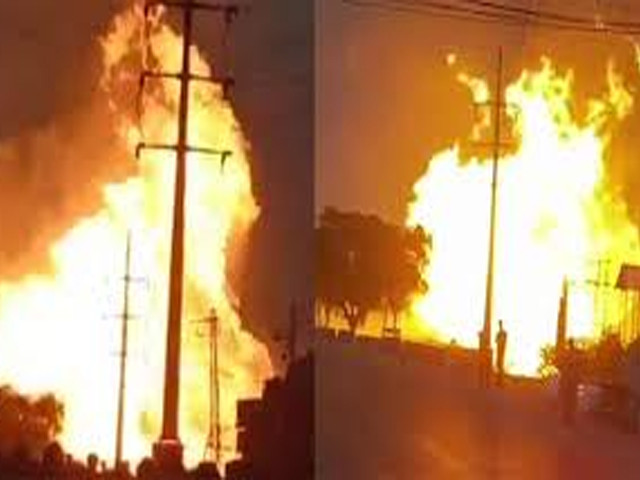
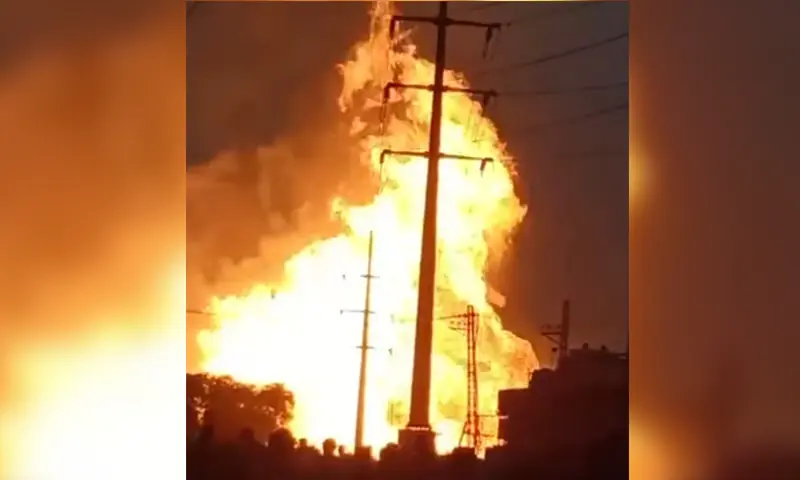
Officials involved in the inspection process also pointed to widespread violations of labour laws and workers’ rights. These included unsafe workplaces, the absence of protective gear, wages below the legal minimum, and inadequate access to healthcare, social security and occupational safety protections. Reports of workplace accidents and deaths were cited as illustrating the consequences of weak enforcement.
Despite what residents described as documented evidence of environmental violations over several months, they alleged that regulatory bodies had not taken effective action against major polluters. They also said environmental activists had faced intimidation, while affected communities were still being left to prove pollution and its effects on health, a burden critics argued should fall on state institutions.
Institutional gaps highlighted
The inspection exercise also exposed what were described as institutional capacity problems in departments responsible for industries, labour, environment, food and health. According to the findings, several departments lacked even basic information about the industries they are required to regulate.
The findings further indicated weak legislative oversight and a shrinking space for civic participation by local communities. Residents and observers said sustainable economic growth could not be achieved through weak regulation, environmental damage, unsafe working conditions, tax evasion and substandard products.
Comments
No comments yet. Be the first to join the discussion!