PPP renews criticism of Zia regime on coup anniversary
At a PPP seminar in Lahore marking the anniversary of the July 5, 1977 coup, speakers said the legacy of martial law continued to affect Pakistan’s political and social life. They also paid tribute to Zulfikar Ali Bhutto and renewed calls for constitutional supremacy.

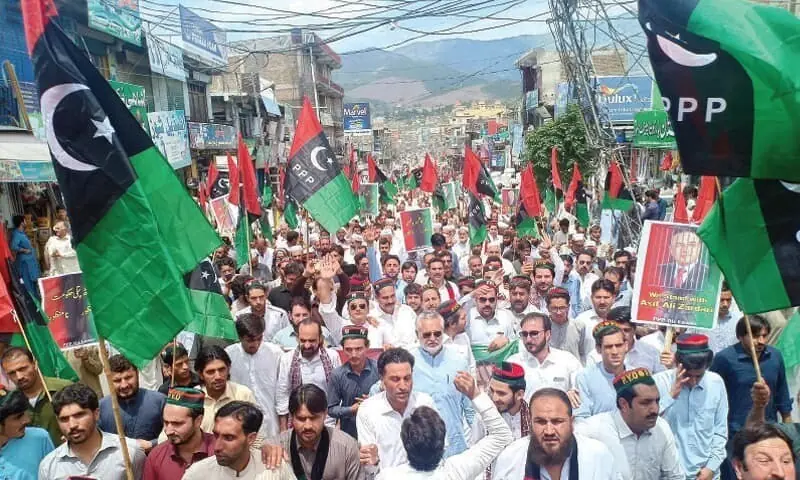
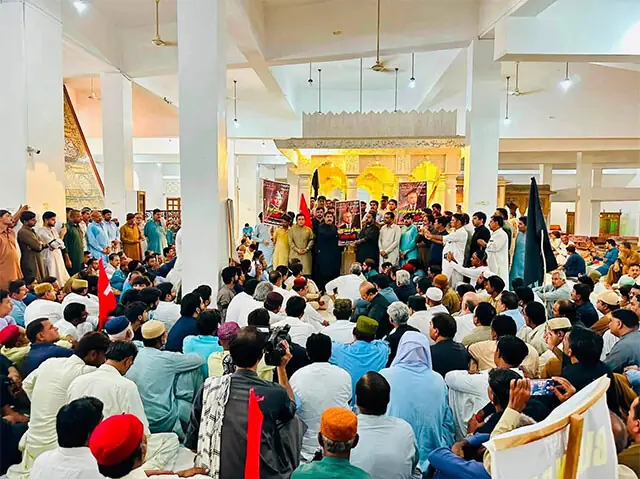
LAHORE: Speakers at a seminar organised by the Pakistan Peoples Party’s central Punjab chapter on Sunday said the effects of the July 5, 1977 military takeover continued to influence Pakistan’s social and economic landscape, while sharply criticising the legacy of Gen Ziaul Haq’s rule.
The event, titled July 5 and Today’s Pakistan, was held to mark the anniversary of the 1977 coup. It was attended by the PPP’s central and provincial leadership, including Shehzad Saeed Cheema, Mian Misbahur Rehman, Chaudhry Aslam Gill, Jahan Ara Wattoo, Samina Paganwala, Rana Ahmed Jawad, Mian Ayub and Dr Zarar Yusuf, among others.
Addressing the seminar, Mr Cheema said Pakistan’s central political struggle had always revolved around where authority resided. He said PPP founder Zulfikar Ali Bhutto was executed because he advanced the idea that sovereignty belonged to the people.
Rana Ahmed Jawad spoke about the circumstances surrounding the 1977 coup and said that although a formal agreement had been reached between the government and the opposition Pakistan National Alliance on July 3, the democratic order was removed two days later.
Arif Khan recalled a speech made by Zulfikar Ali Bhutto in the National Assembly on April 28, 1977, saying Bhutto had told the house that plots to kill him were under way. He added that Bhutto had been warned of severe consequences if he did not withdraw from a nuclear reprocessing plant agreement, but refused to compromise on what he viewed as national sovereignty.
Several speakers described the Zia era as a deeply damaging period for the country, saying its policies deliberately divided society. They argued that the period institutionalised sectarianism, religious hatred and intolerance, and said those trends harmed Pakistan’s intellectual foundations. According to the speakers, political polarisation had now reached a point where different parties marked their own version of a black day.
One participant at the seminar said that if Zulfikar Ali Bhutto had not been executed, Pakistan would have become a global superpower. Other speakers linked his political legacy to struggles over constitutional rule and representative government.
Chaudhry Aslam Gill paid tribute to party workers who, he said, gave their lives alongside Bhutto in the struggle against authoritarian rule, and stressed that the PPP’s revival in Lahore was vital for the party’s broader future.
Jahan Ara Wattoo and Samina Paganwala said the PPP stood apart because its senior leadership, including the late Benazir Bhutto, had sacrificed their lives along with party workers, which they said reflected a consistent stand against tyranny.
Dr Zarar Yusuf said Zulfikar Ali Bhutto had faced punishment from international powers because he brought together third-world countries and denounced Israel at the 1973 Islamic Summit. Chaudhry Akhtar and Usman Malik urged party workers to renew their commitment to the supremacy of the Constitution and parliament, saying Bhutto chose execution rather than compromise on democratic principles.
Comments
No comments yet. Be the first to join the discussion!