

PM orders ban on substandard syringes to curb spread of HIV and hepatitis C
Prime Minister Shehbaz Sharif has ordered a ban on the manufacture and use of substandard syringes and called for action against hospitals and individuals using illegal devices. The move comes amid repeated HIV outbreaks linked to healthcare facilities in Pakistan.

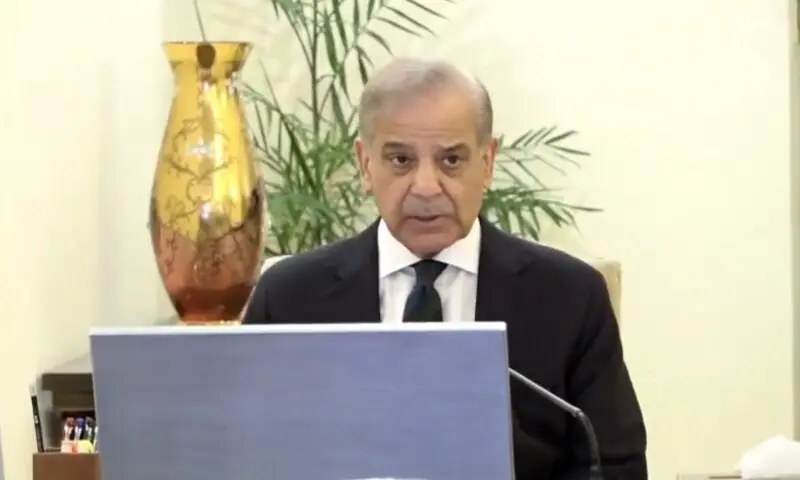
ISLAMABAD: Prime Minister Shehbaz Sharif on Friday ordered a ban on the manufacture and use of substandard syringes as he chaired a meeting on steps to stop the spread of HIV and Hepatitis C, according to a statement issued by the Prime Minister’s Office.
The PMO said the prime minister directed authorities to take action against people and hospitals found using illegal syringes or showing criminal negligence in stopping their use. He also ordered the creation of a special committee of experts on infectious disease control, with recommendations to be submitted after consultation with the provinces. In addition, he asked the law ministry to suggest changes to the legal and regulatory framework.
During the meeting, Shehbaz said a nationwide strategy and its proper implementation were essential to address the issue.“Formulating a comprehensive strategy at the national level and ensuring its effective implementation is the solution to the problem,” he said.
The prime minister also directed the Drug Regulatory Authority of Pakistan to work with the medical devices industry to permanently stop the transmission of infectious diseases through syringes. He told participants that international backing was important in efforts to prevent such diseases and also emphasised training healthcare workers in line with global standards. “The support of international partners is crucial in efforts to prevent infectious diseases,” he told the meeting attendees.
History of outbreaks linked to healthcare facilities
The development comes against the backdrop of repeated HIV outbreaks associated with healthcare settings in different parts of Pakistan over the years.
In April, it was reported that three hospitals in Karachi had seen a sharp rise in paediatric HIV cases over the previous nine months. In the same month, a BBC investigation said serious malpractice continued in the children’s ward of a government hospital in Taunsa, Punjab, months after the facility had been linked to an HIV outbreak among children.
The broadcaster said Punjab authorities had pledged a crackdown, but undercover filming later showed children were still being exposed to risk. According to the BBC investigation, at least 331 children tested positive for HIV between November 2024 and October 2025, and infections continued even after official intervention.
Another HIV outbreak was reported in Karachi’s SITE Town in November last year, when more than 15 children in the densely populated area were diagnosed with the virus. The cases were linked to the Kulsum Bai Valika Social Security SITE Hospital, commonly known as Valika Hospital, where children being treated for other health complaints were later found to be HIV positive.
Earlier, in 2019, an outbreak in Ratodero in Sindh infected hundreds of children. Following that incident, the government asked the World Health Organisation to investigate. A WHO-led team came to Pakistan to determine the source of the outbreak, help contain it, provide technical assistance in HIV testing, paediatric treatment and family counselling, and ensure the availability of rapid diagnostic tests and anti-retroviral medicines for adults and children. It was later found that repeated use of injections was the main cause of the outbreak.
Comments
No comments yet. Be the first to join the discussion!


