Hormuz traffic falls after vessel strike amid renewed US-Iran tensions
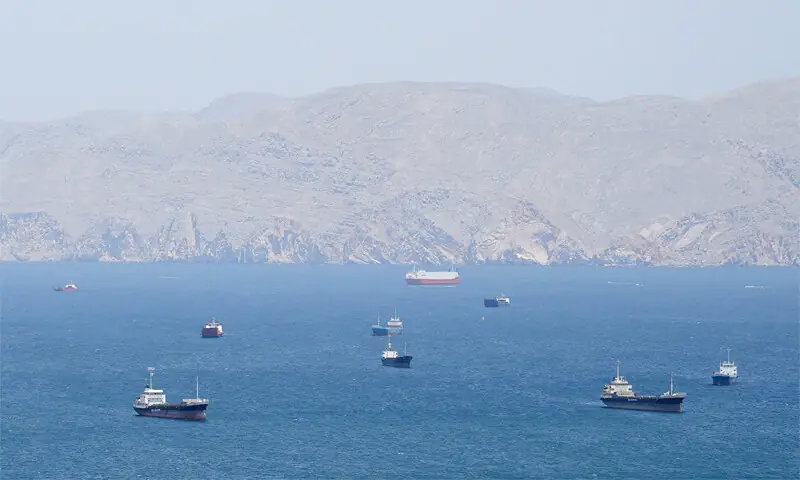
Shipping through the Strait of Hormuz slowed sharply after a vessel was struck on Saturday, according to Kpler data. The drop came as renewed US-Iran strikes strained a preliminary deal tied to traffic through the waterway.


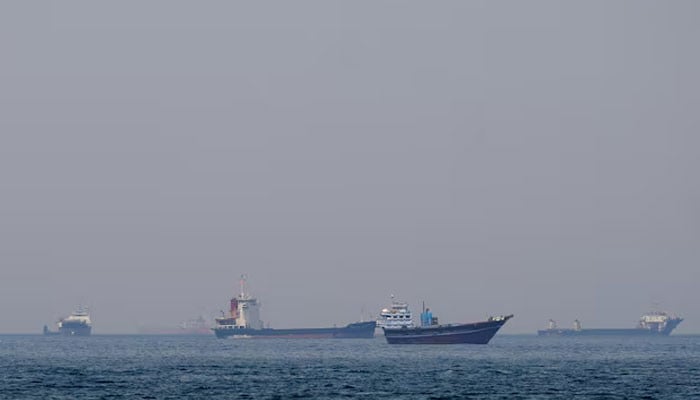
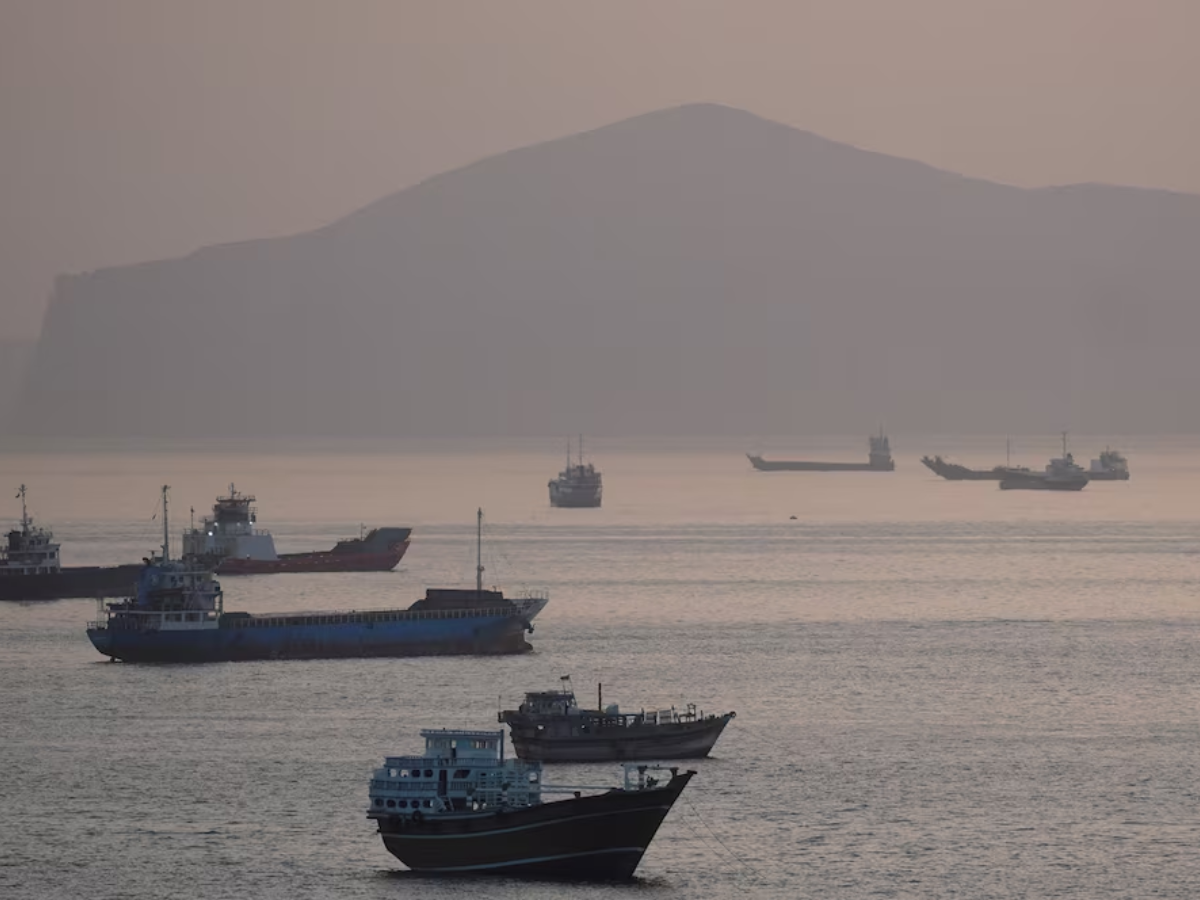
WASHINGTON: Shipping activity through the Strait of Hormuz slowed over the weekend after a vessel was hit while passing through the waterway on Saturday, as fresh exchanges of strikes between the United States and Iran put pressure on their tentative agreement aimed at ending the conflict.
Data from maritime tracking firm Kpler showed that 29 commodity vessels crossed the strait on Saturday, while 12 made the passage on Sunday. Kpler’s figures for Sunday represented a steep drop from last week, when a memorandum of understanding signed by Tehran and Washington on June 15 had helped lift traffic through the route to its highest level since the start of the Middle East war, reaching 70 crossings on Wednesday.
Traffic patterns shift after strike
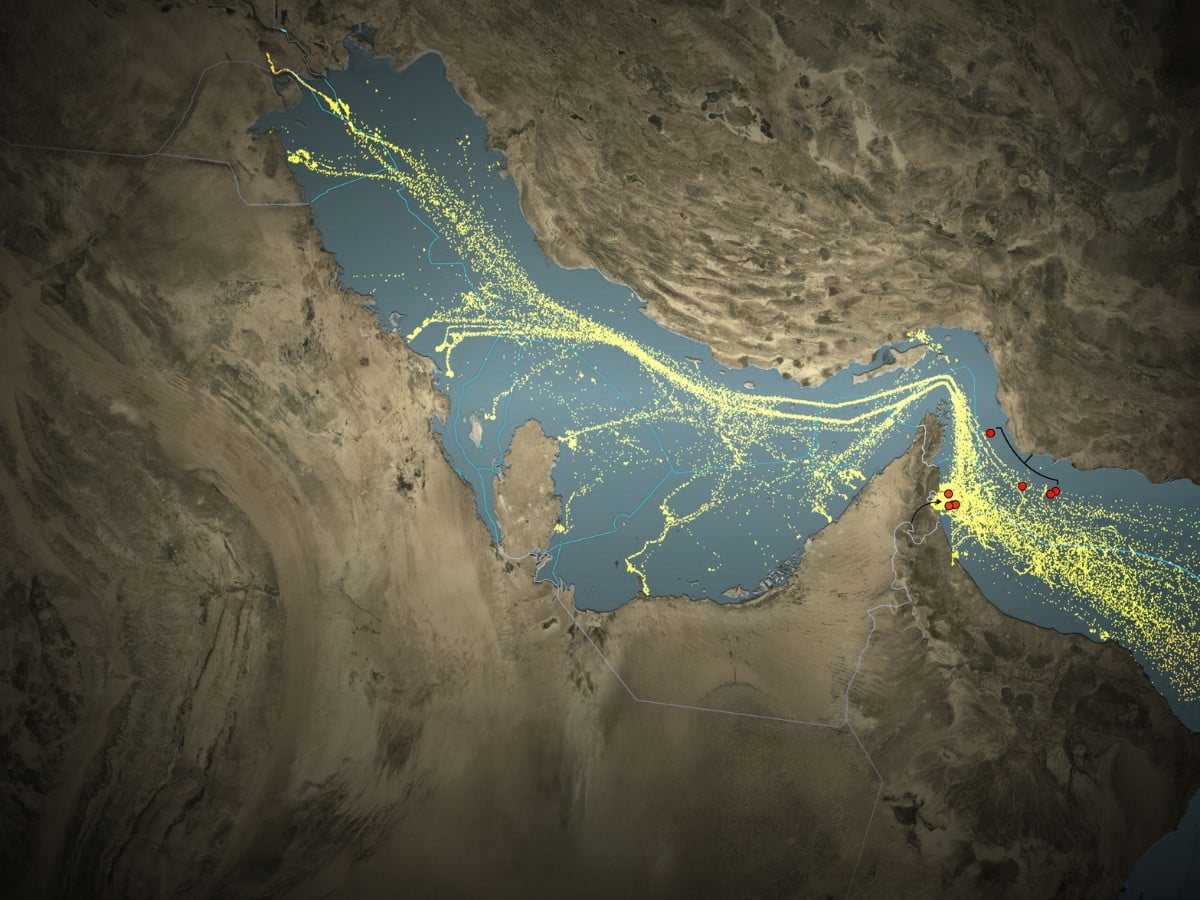
Despite an Iranian warning against the use of unapproved shipping lanes, vessels continued using multiple routes through the strait over the weekend. According to the Kpler-owned MarineTraffic website, ships kept moving for several hours through a southern corridor in Omani waters after the vessel was struck on Saturday morning, before traffic later appeared to slow.
MarineTraffic records only vessels with active transponders, which means more ships may have crossed the area with their signals turned off. Kpler also said the total number of crossings could rise later as additional movements are identified retrospectively, particularly through satellite imagery.
The weekend also saw more vessels entering the Gulf than leaving it, reversing the pattern of the previous week, when attention had centred on evacuating seafarers stranded in Gulf waters.
Evacuation effort paused
A United Nations-led operation to evacuate 11,000 seafarers was halted on Thursday after a vessel was struck in the Gulf of Oman. On Sunday, four tankers and one container ship used the southern Omani corridor to enter the Gulf under escort from US Navy vessels, according to a post on X by HFI Research.
Kpler data showed that no ships used that same corridor to leave the Gulf on Sunday.
Talks on managing the strait
Iran said on Monday that it had held its first meeting with Oman to discuss management of the strait. The development came as Washington signalled that it would not accept transit charges for using what it regards as an international waterway.
The latest disruption followed a rise in traffic after the June 15 memorandum of understanding between Tehran and Washington, but the strike on a vessel and the renewed hostilities between the two sides have again clouded shipping conditions in one of the world’s most closely watched maritime routes.
Comments
No comments yet. Be the first to join the discussion!