June 27, 2026
5.9-magnitude earthquake jolts parts of Islamabad, Punjab and KP
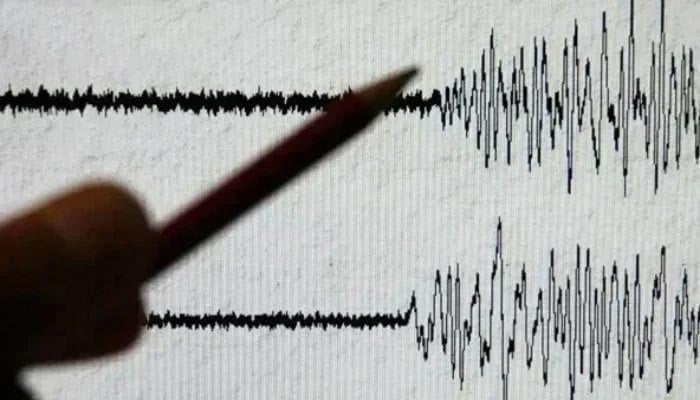
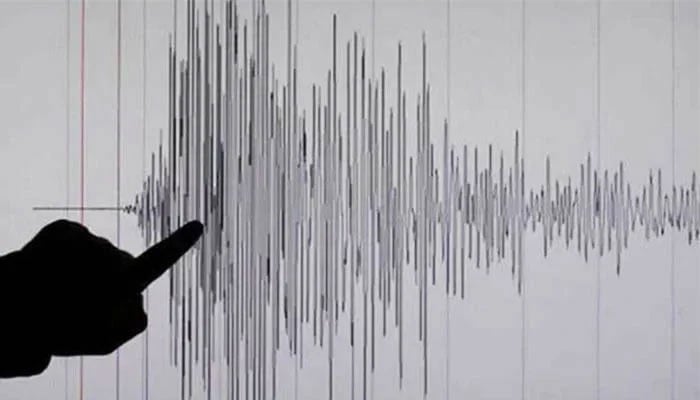
A 5.9-magnitude earthquake hit Islamabad, Punjab, KP and Azad Jammu and Kashmir on Saturday. Tremors were felt across multiple districts, briefly disrupting assembly proceedings, with no immediate reports of damage or casualties.
June 27, 2026

ISLAMABAD: A 5.9-magnitude earthquake shook Islamabad and large parts of Punjab, Khyber Pakhtunkhwa (KP) and Azad Jammu and Kashmir (AJK) on Saturday, triggering panic among residents but causing no immediate reports of casualties or property damage.
According to the National Seismic Monitoring Centre (NSMC), the earthquake originated at a depth of 178 kilometres, with its epicentre located in the Hindu Kush mountain range of Afghanistan, a region frequently associated with seismic activity affecting Pakistan and neighbouring countries.
Strong tremors were felt across several districts of Khyber Pakhtunkhwa, including Swat, Shangla, Buner, Mardan, Charsadda, Swabi, Kohat, Karak, Malakand, Bajaur, Hangu, Wana and Lower Dir. Residents in Rawalpindi, Islamabad, Lahore, Mianwali, Chakwal, Jhang and adjoining areas of Punjab also experienced the quake.
In Azad Jammu and Kashmir, tremors were reported in Muzaffarabad and Athmuqam, the headquarters of Neelum Valley district.
The earthquake briefly disrupted proceedings in the Khyber Pakhtunkhwa Assembly, where the session was adjourned for five minutes as tremors were felt inside the building.
The sudden shaking prompted residents in many cities to rush out of their homes, offices and commercial buildings. In Swat, eyewitness Daniyal Ahmad told Reuters that the tremors were unusually strong and lasted longer than expected.
"It was very huge here in Swat and it lasted for quite a long time," he said, adding that frightened residents poured into the streets while women and children were seen crying in panic.
Authorities said there were no immediate reports of deaths, injuries or structural damage, although officials continued to monitor the situation.
Pakistan remains highly vulnerable to earthquakes because it lies along the collision zone of the Indian and Eurasian tectonic plates. The country has witnessed several devastating earthquakes over the past two decades.
In February this year, a 5.8-magnitude earthquake struck Islamabad, Swat and Hunza. The deadliest recent disaster occurred in 2005, when a powerful earthquake in Azad Kashmir claimed more than 73,000 lives and left millions homeless. In 2021, another earthquake in Balochistan's Harnai district killed at least 20 people, with landslides complicating rescue efforts.
Seismologists continue to stress the importance of disaster preparedness, warning that Pakistan's rugged mountainous terrain and vulnerable infrastructure make earthquake response particularly challenging in many regions.
0 Comments
No comments yet. Be the first to join the discussion!