June 27, 2026
Australia plans tougher fines for platforms over teen social media ban breaches
Australia plans to increase the maximum fine on social media platforms to Aus$99 million for systemic breaches of its under-16 ban. The government says stronger powers are needed as children continue to bypass the restrictions.

June 27, 2026
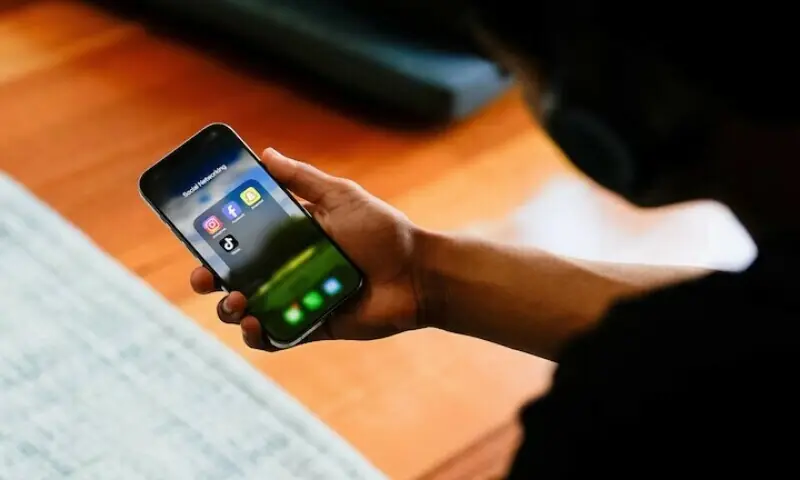
CANBERRA: Australia will raise the maximum penalty for social media companies that systematically fail to enforce the country’s ban on under-16 users, as the government moves to address what it says is widespread evasion of the rules.
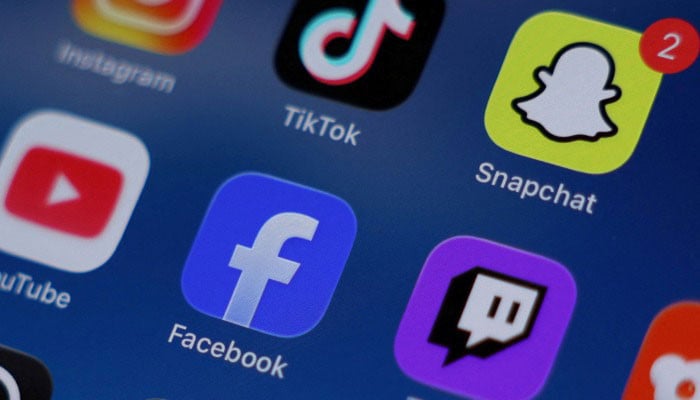
The government said on Saturday that new legislation would increase the top fine to Aus$99 million for systemic breaches and give the eSafety regulator broader authority to act against platforms. In an official statement, the independent watchdog was actively examining possible non-compliance by Facebook, Instagram, Snapchat, TikTok and YouTube.
Prime Minister Anthony Albanese said the government believed technology companies were falling short in implementing the restrictions. He said there were still too many children on social media despite the law. In his remarks carried in the statement, Albanese said the proposed amendments showed how seriously the government viewed any failure by platforms to follow the rules.
“It’s clear big tech are not doing enough to comply with the law — there are still too many children on social media,” Prime Minister Anthony Albanese said.
According to the government, underage users have been bypassing the restrictions in several ways, including by using accounts belonging to older people, creating false accounts, or accessing platforms through private browsers. The government said that although more than five million accounts held by under-16s had been blocked since the ban took effect on December 10, the regulator still required stronger powers.
Regulator to get wider enforcement powers
Under the planned changes, the eSafety Commissioner will be able to require platforms to produce evidence showing what steps they have taken to stop under-16s from opening accounts. The regulator will also be able to demand information and documents not only from social media companies but also from third parties, including age-assurance providers and app store operators, to verify the claims made by the platforms.
Communications Minister Anika Wells said she was not persuaded that the companies were doing enough. Referring to briefings she had received from the eSafety Commissioner, she said the platforms appeared to be doing the minimum required.
“Based on the regular updates I receive from the eSafety Commissioner, it is clear to me that social media platforms are adopting tricks straight out of the big tech playbook and doing the bare minimum to get by,” Wells said.
“Social media platforms are some of the richest and most powerful companies in the world, and we’re serious about holding them to account,” she said.
“These tough new penalties and powers show we will not back down. Instead, we are doubling down on our efforts to hold big tech to account.”
International scrutiny and mixed early findings
Australia’s restrictions are being closely watched by other countries that have introduced similar measures or are considering them, including Britain, Indonesia, the United Arab Emirates and New Zealand.
One of the first peer-reviewed assessments of the Australian policy, published this month in the British Medical Journal, found insufficient evidence that it had significantly reduced social media use among young people. The researchers surveyed more than 400 young people just before the rules came into effect and again three months later, and reported substantial circumvention of the restrictions. Their findings showed little change among users aged 12 to 13, a slight decline among those aged 14 to 15, and an increase in use among people aged 16 and older.
Social media companies are solely responsible for ensuring that users based in Australia are aged 16 or above, and they must demonstrate that they have taken reasonable steps to prevent younger teenagers from getting accounts. Some platforms are relying on artificial intelligence tools to estimate a user’s age from photographs, while users may also verify their age by submitting a government identity document.
The government said concerns about excessive time online affecting teen well-being had helped drive support for the ban, particularly among parents. At the same time, platforms, while promising to comply with the law, had warned that the measures could push teenagers toward unregulated parts of the internet.
0 Comments
No comments yet. Be the first to join the discussion!