

Petroleum demand falls as conservation drive and economic pressure curb consumption
Pakistan’s petroleum consumption has fallen sharply during the government’s energy conservation drive, but economists say the trend also reflects slower economic activity and weaker consumer purchasing power. Higher fuel prices and lower business activity were cited among the main reasons.

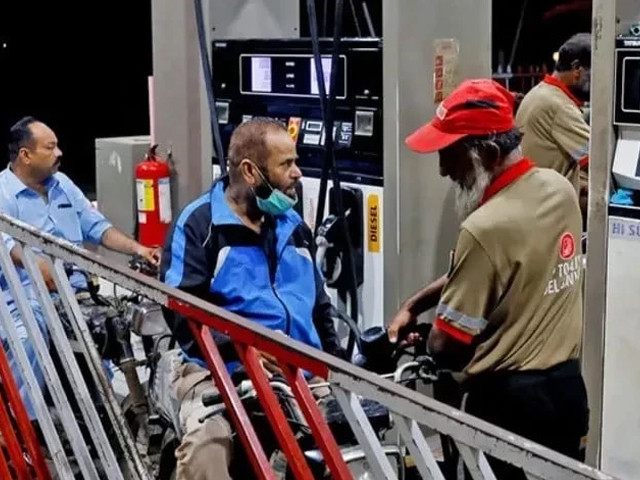
ISLAMABAD: Pakistan’s two-year energy conservation campaign has coincided with a sharp drop in petroleum consumption, but economists say the decline reflects not only savings from administrative curbs but also slower economic activity and mounting pressure on consumers.
The government launched the conservation push to cut import costs and reduce strain on foreign exchange reserves, estimating that the measures could save roughly $1.5 billion to $2.7 billion a year. The steps included restrictions on the use of official vehicles, shorter operating hours for businesses and shops, revised attendance arrangements in government offices and other administrative actions intended to lower energy use.
Recent data shows petroleum product sales remained under pressure. In May 2026, total sales by oil marketing companies fell 23 per cent from a year earlier to 1.17 million tonnes. Excluding furnace oil, volumes were 1.14 million tonnes, described as the lowest level for any May in the past 13 years.
Higher fuel prices also weakened demand. Average petrol prices reached about Rs402 per litre, while diesel averaged around Rs401.46 per litre. Diesel sales dropped to 450,000 tonnes, described as a historic low, amid elevated prices and reduced economic activity. Petrol sales also declined compared with the same period last year, while furnace oil posted the steepest fall.
Experts said stronger hydropower-based electricity generation and the availability of alternative fuels also contributed to lower furnace oil demand. They added that while reduced petroleum use may appear favourable on the surface, the fall also points to weaker purchasing power and lower business activity.
Revenue gains and limits of austerity
Over the past two years, the government has relied on the petroleum levy as a significant source of revenue. Official figures showed around Rs119 billion was collected under the levy in fiscal year 2023-24, rising to about Rs122 billion in 2024-25. In the first nine months of fiscal year 2025-26, more than Rs120 billion had already been paid into the national exchequer, with a higher target set for the coming fiscal year.
Economist Khalid Rasool described the austerity campaign as a useful step, saying unnecessary spending cuts can help an economy. At the same time, he said the visible situation in cities suggested the effect of administrative measures alone was limited.
"Despite austerity measures at the government level, the number of vehicles on the roads remains visibly high. This suggests that fuel consumption among the public has not decreased significantly. The government primarily sought to improve administrative efficiency and limit expenditures, but administrative decisions alone cannot produce a substantial and lasting reduction in energy use," Rasool said.
Rasool said lasting gains would require broader structural changes, including better public transport, promotion of electric vehicles, improved urban planning and meaningful progress on alternative energy. "Without long-term structural reforms, it will be difficult to realise the full benefits of temporary measures."
Comments
No comments yet. Be the first to join the discussion!


