June 24, 2026
Centre, Sindh agree to step up coordination on marine safety and pollution
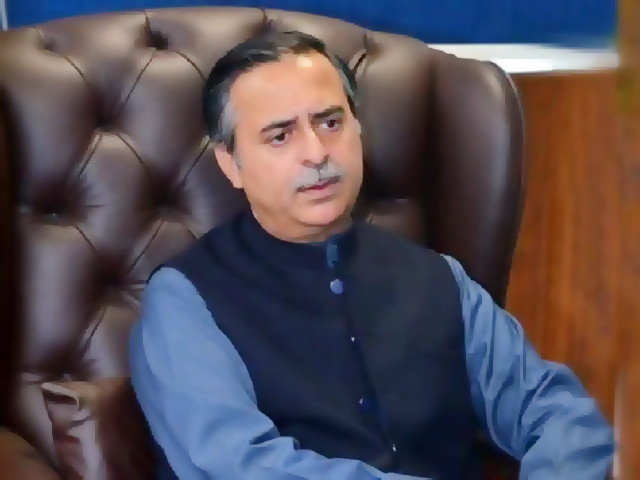
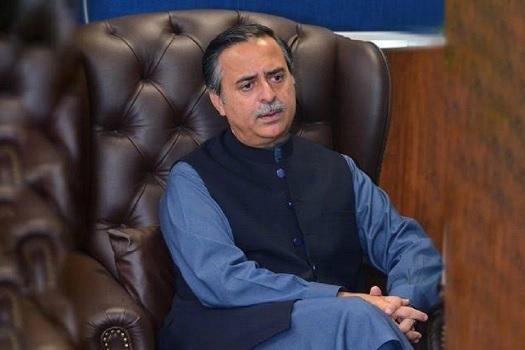
Federal Maritime Affairs Minister Muhammad Junaid Anwar Chaudhry and Sindh Governor Nehal Hashmi agreed to strengthen federal-provincial coordination on marine safety, pollution control and coastal sustainability. The minister also said he would convene the Marine Pollution Control Board in Karachi.

June 24, 2026
ISLAMABAD: Federal Minister for Maritime Affairs Muhammad Junaid Anwar Chaudhry and سندھ Governor Syed Muhammad Nehal Hashmi on Tuesday agreed to improve coordination between federal and provincial institutions on marine safety, environmental protection and sustainable coastal development.
The two leaders met at the minister’s chamber in the National Assembly, where they discussed closer institutional liaison on environmental management and maritime sustainability. Their discussions focused on improving cooperation to tackle marine pollution and strengthen the protection of coastal ecosystems.
Governor Hashmi stressed the need for stronger coordination between the federation and the province, describing waste management, conservation of marine resources and sustainable economic activity as important for the environmental and economic well-being of Sindh’s coastal communities.
Chaudhry said he would call a meeting of the Marine Pollution Control Board during his upcoming visit to Karachi. He said the session would review ongoing work and receive briefings on institutional responses to marine litter and coastal degradation.
Focus on pollution and coastal ecosystems
The maritime affairs minister said healthy oceans were vital for climate regulation, biodiversity and the livelihoods of coastal populations, including mangrove ecosystems and fisheries. He also noted that the Karachi Port Trust carries out regular clean-up operations in port waters and surrounding areas as part of its continuing maintenance and environmental management work.
Referring to assessments by the UN Environment Programme, Chaudhry said between 19 million and 23 million tonnes of plastic waste enter aquatic ecosystems around the world every year, underlining the scale of the challenge for coastal states. He further said global studies, including research supported by the World Bank, show that plastic makes up a substantial portion of marine litter and in many cases exceeds 50 per cent by item count, although the share differs by location and methodology.
He said marine litter posed a serious risk to ecosystems, fisheries and coastal communities, and called for joint action by federal and provincial authorities to improve waste management systems and curb pollution at its source.
Chaudhry also pointed to the wider economic potential of moving towards a circular economy, saying international studies indicate that stronger recycling systems and better resource recovery can generate jobs while easing environmental pressure.
0 Comments
No comments yet. Be the first to join the discussion!