June 22, 2026
The Islamabad MOU: Peace bought on credit
The Islamabad Memorandum of Understanding halts a regional flashpoint: U.S. lifts the naval blockade and Iran reopens the Strait of Hormuz. But the 60-day deal uses risk-management and reconstruction funds, leaving core military dynamics unchanged.

June 22, 2026

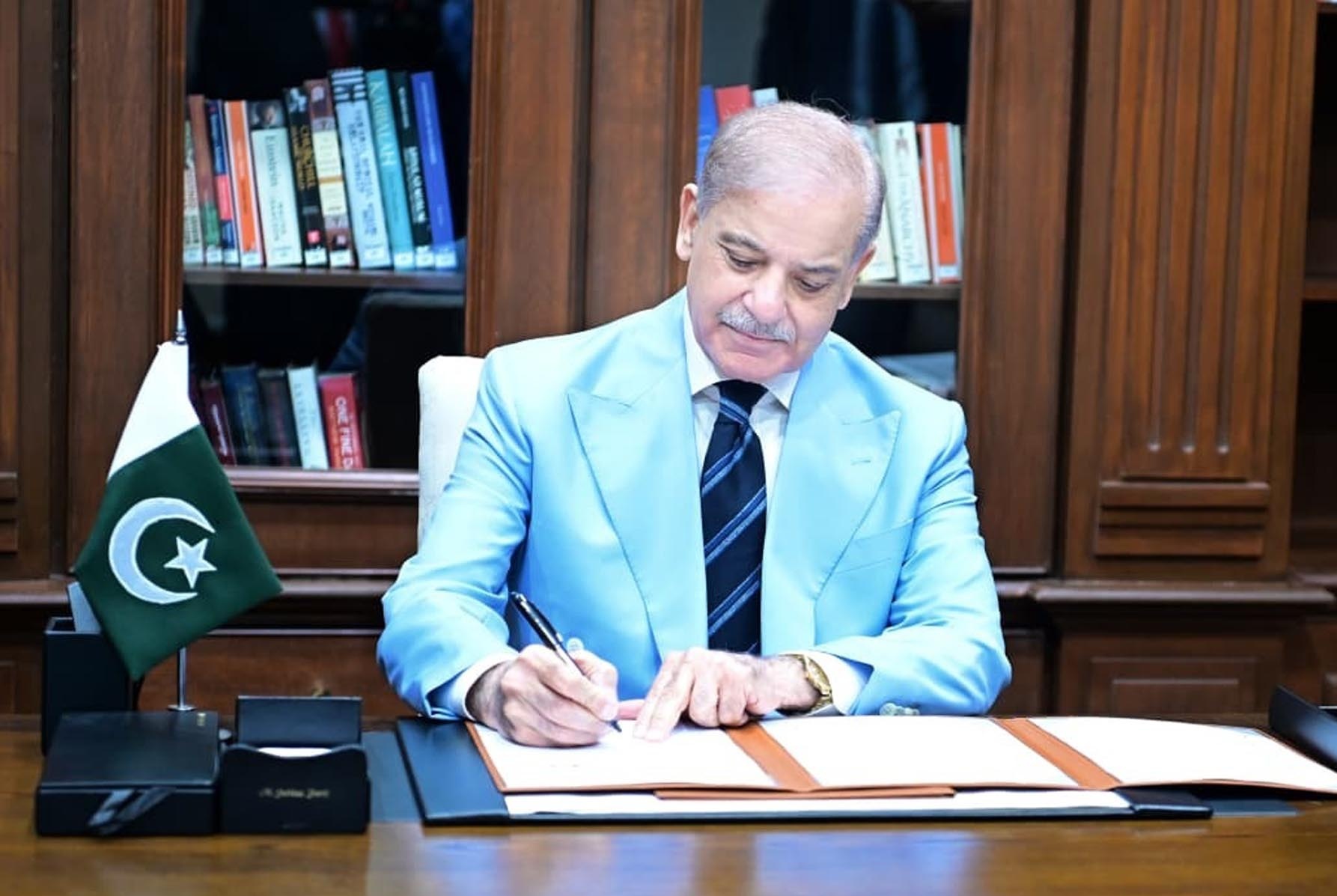
Global markets are celebrating the breakthrough in Islamabad, but the Middle East may have just purchased a far more explosive war on credit. Last week's dramatic signing of the Islamabad Memorandum of Understanding (MOU) has been breathlessly hailed as a triumph of modern statecraft. Spearheaded by Pakistan’s pivotal role as the official mediator, the electronic signatures of the U.S. and Iranian presidents successfully averted a catastrophic regional conflagration. The immediate relief was undeniable: the United States moved swiftly to lift its aggressive naval blockade of Iranian ports, and Tehran immediately initiated the reopening of the strategically vital Strait of Hormuz. Yet, beneath the triumphant diplomatic handshakes, a deeply cynical reality is taking shape. This agreement is not a permanent monument to regional harmony. It is a highly volatile, fragile truce designed to buy temporary compliance using a hyper-compressed 60-day timeline. The core systemic pathologies that triggered the war remain entirely untouched, swept under a diplomatic rug in Switzerland where technical teams are now desperately trying to sequence impossible verification protocols.
The most analytical and heavily debated engine of this stabilization effort is the R4 framework, an intricate risk-management model imported from global crisis economics to stabilize a fractured state. Built upon four rigid pillars—Risk Reduction, Risk Transfer, Risk Retention, and Prudent Risk-Taking—R4 is being deployed as an economic shock absorber to keep Iran’s domestic infrastructure from collapsing under the weight of recent hostilities. The first two pillars, Risk Reduction and Risk Transfer, are manifested in the immediate waivers on Iranian oil export sanctions and the temporary 60-day toll-free passage through the Strait of Hormuz. This transfers the catastrophic financial risks of the conflict away from commercial shipping lanes and back into stable market streams. The final pillars, Risk Retention and Prudent Risk-Taking, rely on a staggering $300 billion economic reconstruction fund financed by Washington and affluent Gulf partners like the UAE, aimed at injecting liquid capital to incentivize peaceful commerce over state-backed militancy.
However, the fatal flaw of this approach lies in the naive assumption that economic risk-management frameworks can seamlessly overwrite deep-seated military doctrines. Western negotiators view the R4 framework as a tool for behavioral engineering, hoping that access to global markets will naturally dilute Iran’s aggressive regional posture. Tehran, conversely, operates under entirely different strategic compulsions. For the Iranian state, the R4 framework is strictly a transactional tool for economic survival, a temporary mechanism to ease hyperinflation, secure basic commodities, and access frozen assets. The regime has absolutely no intention of allowing these economic concessions to dictate or dismantle its sovereign security architecture.
This divergence explains why Iran’s sophisticated "forward-defense" dynamics—its expansive network of regional proxy forces and asymmetric regional militias—were left entirely outside the bounds of the Islamabad text. To believe that long-term stability can be achieved while leaving this forward-defense apparatus completely intact is a delusion of historic proportions. Tehran has spent decades cultivating these non-state alliances as an existential buffer against foreign invasion; it is an ideological and military reality woven into the very fabric of the Islamic Revolutionary Guard Corps. Both sides are actively pursuing entirely distinct agendas through the same document. Washington is trying to buy a fundamental transformation in Iranian foreign policy with a checkbook, while Tehran is successfully separating the maritime and economic files from its regional behavior, ensuring its military leverage remains fully uncompromised.
Ultimately, the Islamabad MOU is a brilliant exercise in immediate crisis management, but a profound failure of long-term statecraft. It mistakes the temporary absence of active violence for the presence of a durable peace. While Pakistan deserves immense credit for leveraging its diplomatic weight to halt a hot war, columnists and media analysts must resist the temptation to mistake a brief intermission for the final curtain call. The behavior-based sanctions relief and asset releases envisioned under the R4 framework are highly reversible, and the political appetite within the U.S. Congress for sustained concessions remains dangerously low. If the ongoing technical talks in Geneva stumble over uranium downgrading minutiae, or if an uncoordinated proxy action disrupts the truce, the entire architecture will evaporate. We have not entered a new era of Middle Eastern harmony; we have simply hit the pause button on a global catastrophe, and the countdown to the next explosion has already begun.
0 Comments
No comments yet. Be the first to join the discussion!