June 17, 2026
Iranian tankers exit Hormuz blockade zone ahead of peace talks
Iranian oil tankers have exited the US blockade zone in the Strait of Hormuz ahead of US-Iran talks in Switzerland. Oil prices fell on hopes of reopening, even as fresh Israeli strikes in south Lebanon added uncertainty.

June 17, 2026
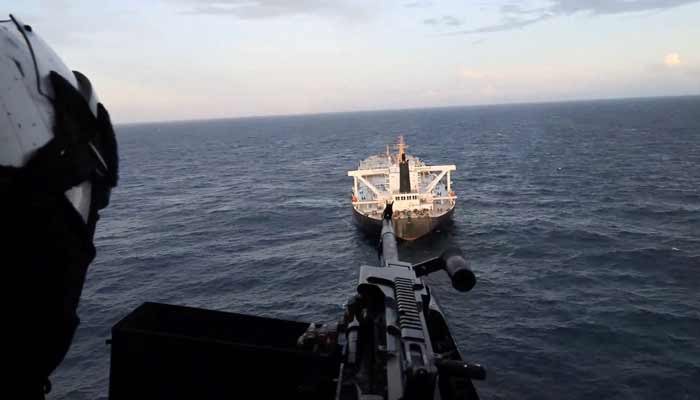
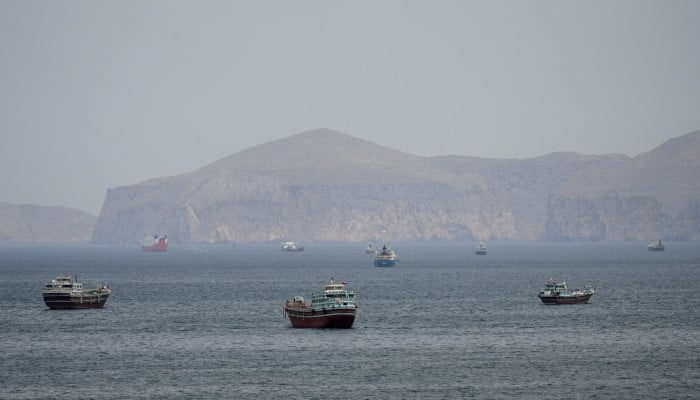
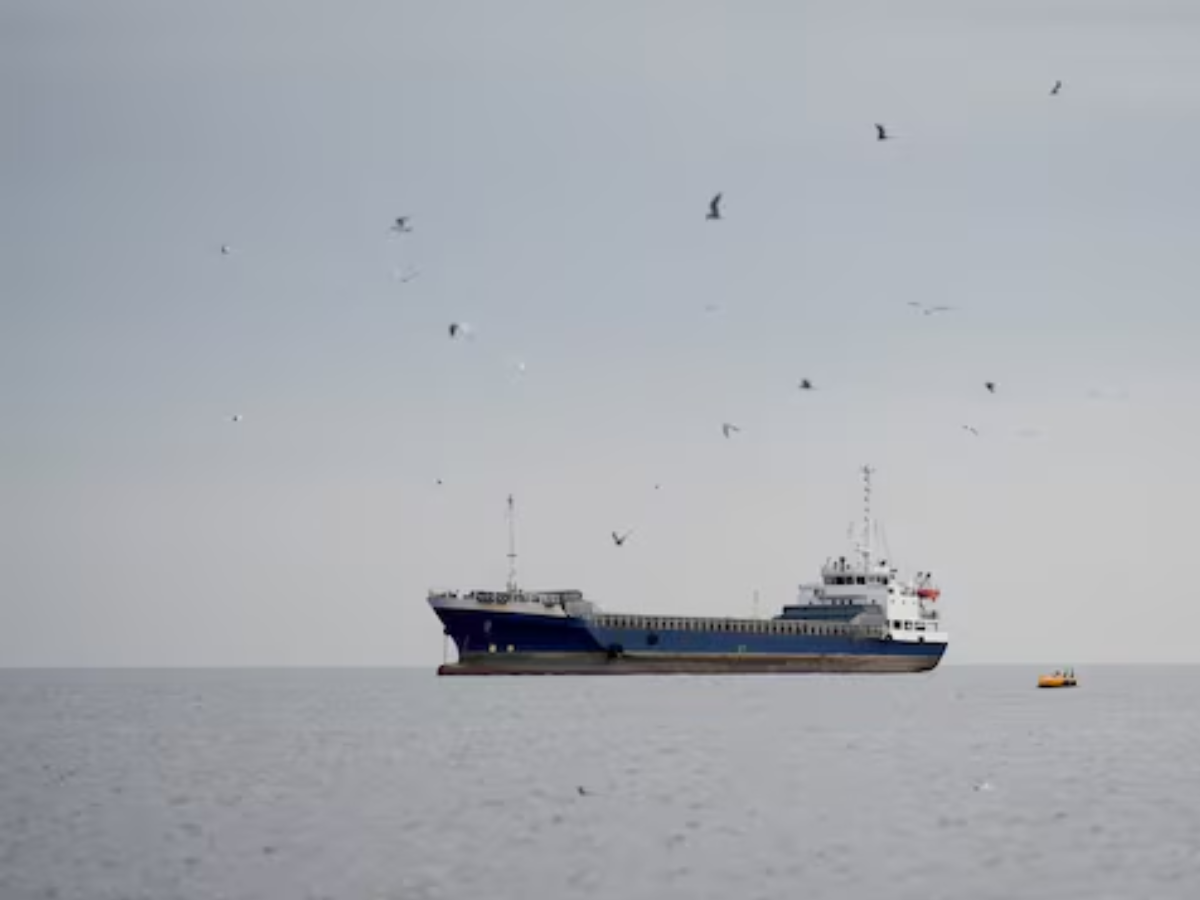
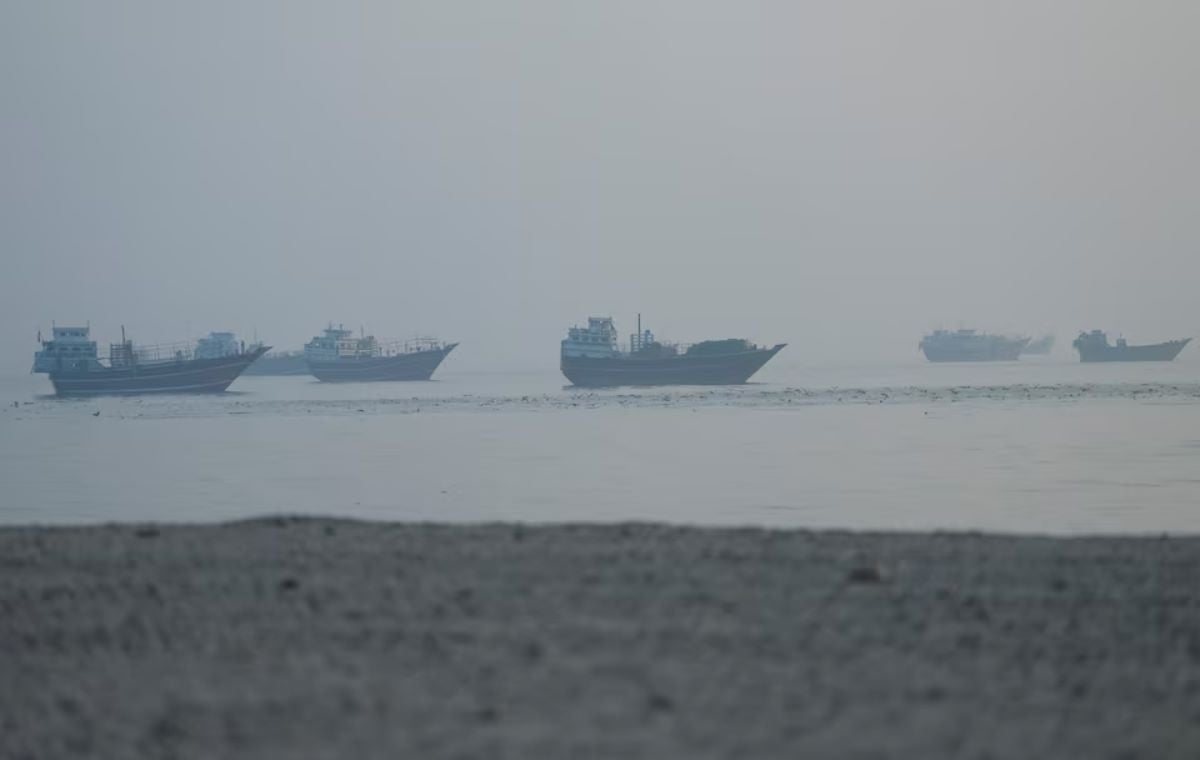
WASHINGTON: Tankers carrying Iranian crude oil have moved out of the US blockade zone in the Strait of Hormuz ahead of planned US-Iran talks in Switzerland, as both sides prepare to begin negotiations on a final settlement to their war.
TankerTrackers, which monitors oil shipments and storage, described the movement as Iran’s first crude exports in two months. In a post on X, the group said at least two National Iranian Tanker Company very large crude carriers, Diona and Hero2, had left the US Navy blockade perimeter carrying a combined 3.8 million barrels of Iranian oil. It later said a third tanker had also exited, adding that its assessment was based on digital tracking information supported by satellite imagery.
The development came two days before Washington and Tehran are due to launch talks at the Burgenstock resort in Switzerland on Friday. Officials said negotiations on a final agreement would begin immediately after a signing ceremony and continue during a 60-day period, with decisions expected on Iran’s nuclear programme and the removal of international economic sanctions.
The United States would allow Iran to resume oil and fuel sales as soon as the wartime deal is signed. A sanctions waiver covering oil sales would take effect immediately, and would also extend to banking, transport and insurance services.
Oil prices fall as hopes rise for reopening
News that the Strait of Hormuz will reopen pushed oil prices lower. Brent crude fell to $78.74 a barrel in Wednesday trading, while West Texas Intermediate stood at $75.85 a barrel.
Despite the diplomatic momentum, fresh violence elsewhere in the region clouded the outlook. The Israeli military said it struck in south Lebanon after identifying what it called a suspicious vehicle near the area where its troops were operating. Its forces intercepted rockets and carried out an air strike on a launcher.
Lebanon’s state news agency said the strikes hit two vehicles in Mayfadoun and another in nearby Shukeen, killing four people. Iran’s central military command warned that Israel should await a harsh response to the attacks.
Framework signed, but key issues unresolved
A senior US official, speaking on condition of anonymity, said the framework agreement had already been signed electronically by President Donald Trump, Vice President JD Vance, Iran’s deputy foreign minister Majid Takht-Ravanchi and top negotiator Mohammad Bagher Ghalibaf.
Iranian Foreign Minister Abbas Araghchi said a new round of negotiations was expected to begin on Friday and that the final agreement would address nuclear matters and sanctions relief.
"Likely on Friday.. a new round of negotiations between Iran and the United States to reach a final agreement will begin. In the final agreement, decisions will be made on the nuclear issues and the lifting of sanctions," Araghchi added.
Weeks of indirect talks mediated by Pakistan and Qatar helped build momentum for the interim arrangement, but the broader issues remain unsettled. The United States and Israel want Iran to give up its stockpile of highly enriched uranium, which was believed to have been buried by US strikes last year, while Tehran has maintained that enrichment is its right.
Asked at the G7 summit in France when the text would be made public, Trump said: "It’s a very powerful document, and I want it to be released. So probably pretty soon."
Iran’s ultraconservative newspaper Vatan-e Emrooz described the agreement as a Trump surrender document. Araghchi, however, struck a more guarded tone.
"We have a history of broken commitments.. we have a history of agreements being torn up. All of this is present in our minds,"
Vance, in media interviews, said no US taxpayer money would go to Iran under the arrangement. Iranian media, meanwhile, reported that $12 billion in frozen assets would be released. Vance also told NBC that nuclear inspectors would be permitted to enter Iran.
Some conservatives in the United States have raised concerns over the deal. Senate Republicans had asked for the text of the agreement and briefings from the Trump administration. Senate Majority Leader John Thune was quoted as saying:
"Let’s look at it and see what it actually is,"
Analysts said the conflict in Lebanon involving Israel and Iran-backed Hezbollah could still threaten the diplomatic process. Lebanon entered the war in March after Hezbollah fired rockets at Israel following the killing of Iran’s supreme leader, leading to Israeli air strikes and a ground incursion. Ross Harrison, a senior fellow at the Middle East Institute, said that front could be the biggest ultimate spoiler of the upcoming negotiations.
0 Comments
No comments yet. Be the first to join the discussion!