

June 13, 2026
The Republic of Wants
Pakistan’s malls and social media spotlight consumption while essentials remain out of sight. The article argues that poverty stays quiet, and policy success must prioritize escaping need.
June 13, 2026

They have overtaken needs
Economics draws a simple distinction between needs and wants. Needs are essential for survival, while wants relate to comfort, convenience, status, or pleasure. In a well-functioning society, basic needs are secured before the pursuit of wants becomes widespread. Yet modern Pakistan increasingly appears to be moving in the opposite direction. Its public image is shaped by consumption, while necessities remain largely out of sight.
Walk through the major shopping districts of Islamabad, Lahore, Karachi, Faisalabad, or Peshawar and a familiar picture emerges. Parking lots are full, restaurants are crowded, and clothing brands launch new collections every few weeks. Imported cosmetics, luxury phones, designer apparel, and high-end coffee shops draw a steady stream of customers. Social media amplifies this spectacle further, where influencers promote lifestyles built around consumption and weddings increasingly become displays of wealth. New malls and commercial developments are routinely celebrated as signs of progress and prosperity. Viewed through this lens, Pakistan appears, at first glance, to be thriving.
Yet beyond this visible reality lies another Pakistan, the one inhabited by the majority. Here household budgets are consumed almost entirely by essentials including flour, cooking oil, electricity bills, school fees, transport and basic medicines. Wages are stretched thin long before the month ends. A medical emergency does not disrupt plans but destroys them. Savings are rare and when they exist they are fragile. For millions of labourers, domestic workers, small farmers, pensioners, street vendors and the unemployed, life is a continuous negotiation with scarcity where each decision is a trade-off between equally pressing needs.
Recent estimates suggesting that around 44 percent of Pakistan’s population lives below the poverty line expose a profound gap between appearance and reality. If nearly half the country is struggling to meet basic needs, the image projected by shopping malls, advertisements, and social media cannot represent the full story. The majority, absorbed in the demands of survival, remains largely unseen, while a smaller segment with discretionary spending continues to dominate the visible national narrative.
Until Pakistan begins measuring success by how many people escape need rather than by how many can afford wants, the bright lights of prosperity will continue to conceal a much darker reality. The republic of wants may dominate what we see, but the republic of needs remains the Pakistan that millions live every day
This creates a powerful illusion. People tend to judge reality by what is visible. Crowded restaurants and thriving retail outlets create the impression of broad-based economic improvement. Policymakers, commentators, and citizens alike can become detached from the hardships faced by millions. The visibility of consumption conceals the scale of deprivation.
There is a simple reason for this imbalance. Those struggling to meet their basic needs are often too occupied with survival to make themselves visible. Their lives revolve around stretching limited incomes across food, rent, healthcare, transport, and education. Every purchase is carefully calculated and every unexpected expense becomes a source of anxiety. Poverty is usually quiet. It does not advertise itself, does not occupy prime commercial space, and does not generate glamorous content or public attention.
Wants, on the other hand, are highly visible. Consumption announces itself. Luxury vehicles move through public roads. Branded shopping bags signal purchasing power. Expensive clothing appears at social gatherings. Social media amplifies the display of lifestyle choices. As a result, a relatively small segment of society acquires a presence that far exceeds its actual numbers.
The consequences extend beyond perception. Visibility influences priorities. Rising retail sales often receive more attention than declining nutritional standards. Commercial projects generate headlines while overcrowded public hospitals struggle in silence. Luxury housing schemes continue to expand as affordable housing remains out of reach for millions. What society chooses to notice often determines what it chooses to fix.
The issue is not that people have wants. Human progress has always been driven by aspirations beyond mere survival. There is nothing wrong with enjoying good food, fashionable clothing, comfortable homes, or modern technology. The problem arises when a society becomes so captivated by wants that it forgets those still struggling to secure the essentials.
A successful economy is not measured by the number of luxury brands it can sustain or the size of its shopping centres. It is measured by whether ordinary citizens can reliably access food, healthcare, education, clean water, safe housing, and dignified employment. These are not luxuries. They are the foundations upon which all other ambitions are built.
Pakistan today confronts a striking contradiction. Its most visible spaces project abundance, while its social reality remains marked by widespread hardship. One Pakistan appears on screens, billboards, and commercial boulevards. The other waits in government hospitals, searches for daily wages, worries about utility bills, and struggles to make ends meet.
A visitor to Pakistan might conclude that this is a nation of shoppers because shoppers are the people he sees. The families skipping meals, delaying medical treatment, withdrawing children from school, and borrowing money to pay electricity bills are largely invisible. Yet they are not a small minority hidden at the margins. They are tens of millions of people. This is Pakistan’s great reality: the country of wants occupies the malls, screens, advertisements, and public imagination, while the country of needs remains largely out of sight. One is highly visible; the other is vastly larger.
Until Pakistan begins measuring success by how many people escape need rather than by how many can afford wants, the bright lights of prosperity will continue to conceal a much darker reality. The republic of wants may dominate what we see, but the republic of needs remains the Pakistan that millions live every day.
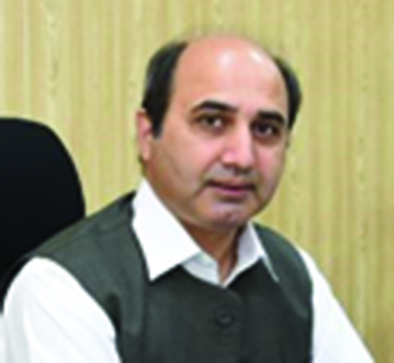
The writer has a PhD in Political Science, and is a visiting faculty member at QAU Islamabad. He can be reached at [email protected] and tweets @zafarkhansafdar
View all articles →0 Comments
No comments yet. Be the first to join the discussion!


