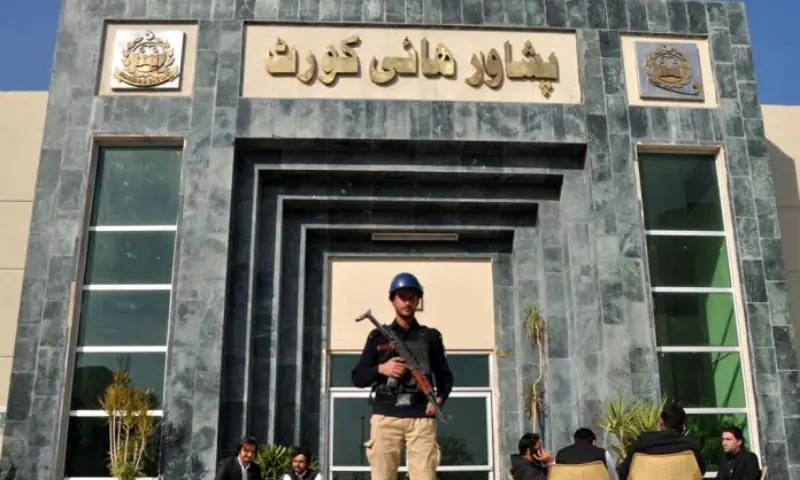
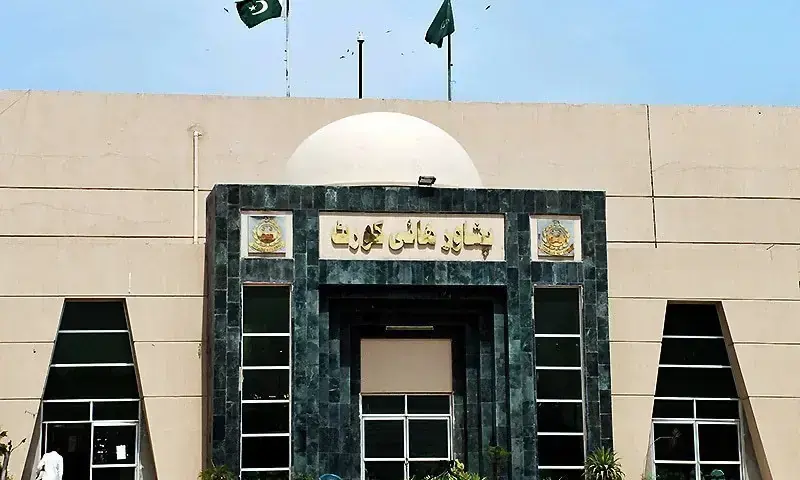
PHC disposes of over 100 Afghan nationals’ pleas for Pakistani citizenship
The Peshawar High Court has disposed of more than 100 petitions by Afghan nationals seeking progress on applications tied to Pakistani citizenship. The court directed Nadra and other authorities to act in accordance with the law and earlier judgments.

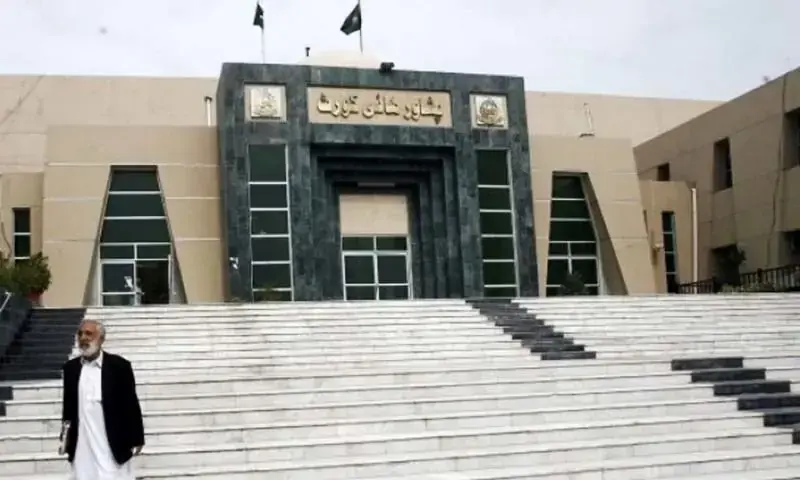
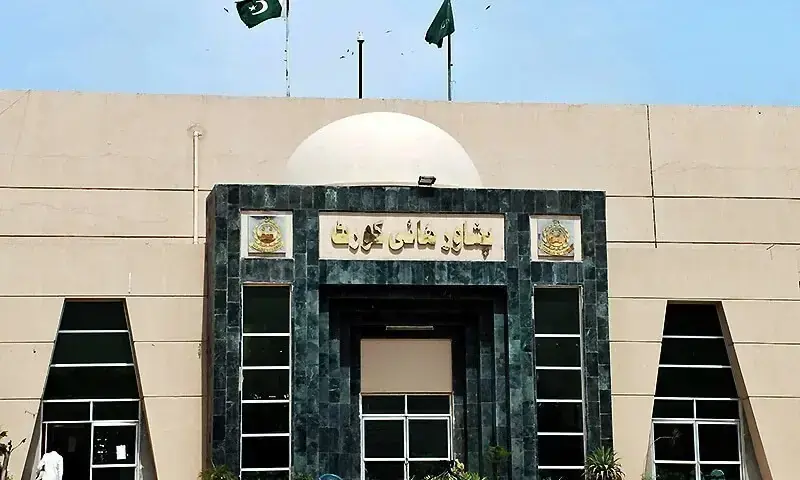
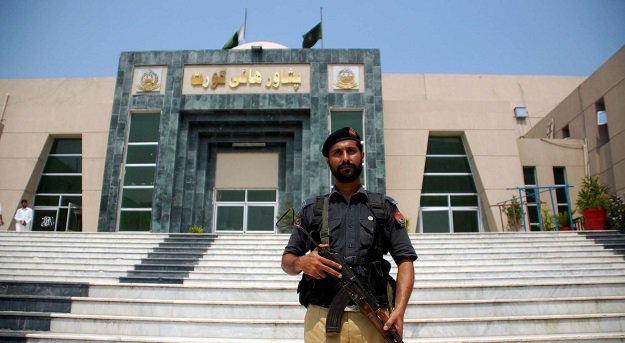
PESHAWAR: The Peshawar High Court (PHC) on Wednesday disposed of more than 100 petitions filed by Afghan nationals holding Proof of Registration (PoR) cards or Afghan Citizen Cards (ACCs), who had sought certificates of Pakistani citizenship.
A bench comprising Justice Wiqar Ahmad and Justice Farah Jamshed directed the National Database and Registration Authority (Nadra) and other relevant authorities to deal with the matter in line with the law and previous court rulings. The court said a detailed order would be issued later.
The petitioners had asked the court to direct Nadra and other authorities to provide documentary proof about the status of their applications for cancellation of ACCs, PoR cards and other refugee-related documents. They said they had applied to have those documents cancelled in order to pursue recognition as Pakistani nationals and obtain Pakistani identity papers.
Lawyers including Saifullah Muhib Kakakhel, Malik Shehbaz, Faheem Marwat and Mohammad Irfan appeared for the petitioners. They argued that their clients were not being given any written acknowledgement, token, receipt or other record showing whether their applications were pending, under process, accepted or rejected. According to the petitioners’ counsel, the lack of such documentation had created uncertainty and hindered applicants from pursuing legal remedies.
Applications and processing figures
During the hearing, Nadra officials appeared before the court and submitted a detailed report on the processing of applications related to cancellation of ACCs and associated documentation. According to the officials, more than 24,000 applications had been received for certificates of clearance under the Citizenship Act and for cancellation of ACCs.
The officials told the court that around 2,200 applications had been approved, while more than 6,000 applicants did not continue pursuing their cases after filing applications. They also said that a significant number of applications were rejected because the applicants could not establish their claim to Pakistani nationality.
Advocate Saifullah Kakakhel told the court that applicants should be given documentary evidence showing the position of their cases, including whether an application was pending, under consideration, approved or rejected. He argued that the absence of written acknowledgement affected transparency and created difficulties for people attempting to safeguard their legal rights.
POC and grievance mechanism discussed
The hearing also included arguments in several petitions concerning the issuance of Pakistan Origin Cards (POC) to Afghan spouses of Pakistani nationals, as well as the availability of grievance redress mechanisms in nationality and identity-related matters.
The bench asked about the functioning of the Grievance Redressal Committee (GRC) and the procedure through which affected individuals could file complaints. Lawyers for the petitioners said there was no practical and accessible mechanism for applicants to directly approach the committee or pursue complaints relating to delays, refusals or other issues.
They proposed that, at a minimum, an official email-based complaint system should be introduced so that affected persons could submit complaints and supporting documents directly to the relevant authorities. Legal and factual questions related to citizenship, identity rights, verification procedures, administrative transparency and the processing of nationality claims also came under discussion during the proceedings.
Comments
No comments yet. Be the first to join the discussion!