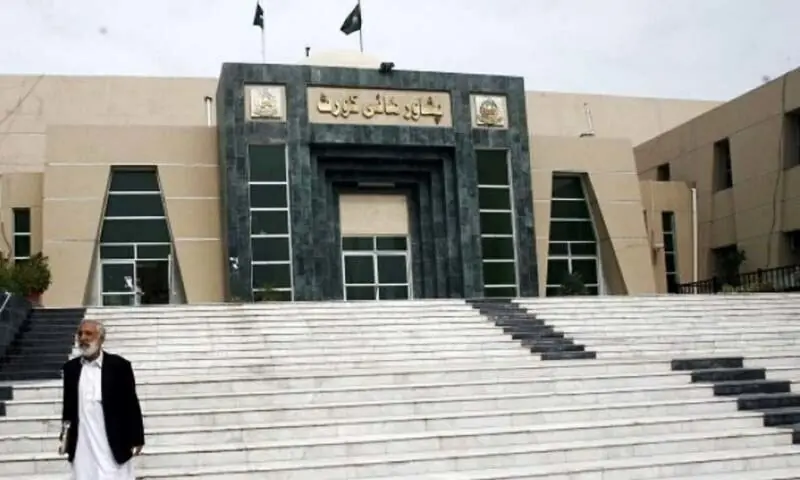
PoR cards, Afghan Citizen Cards no longer valid for stay in Pakistan, rules Peshawar High Court
Peshawar High Court rejects bail pleas of around 50 Afghan nationals, ruling that PoR cards and Afghan Citizen Cards are no longer valid documents for legal stay in Pakistan.

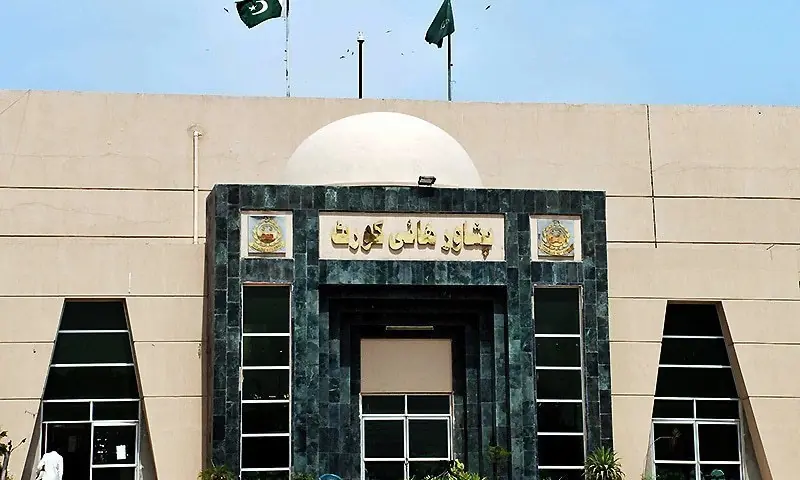
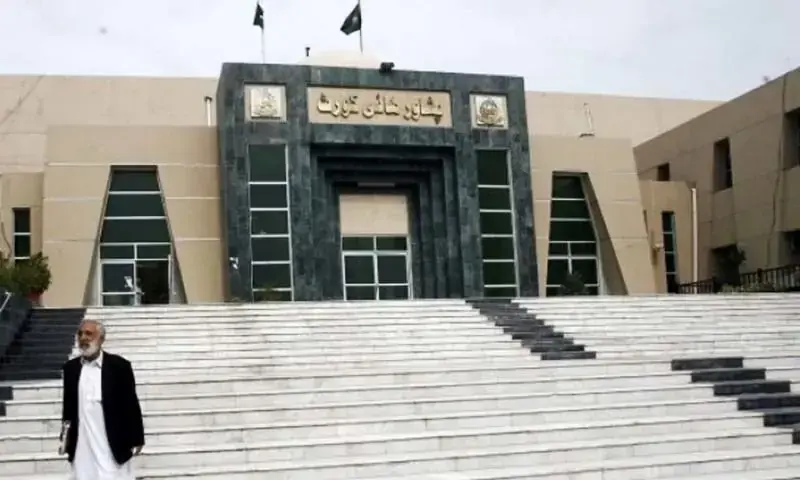
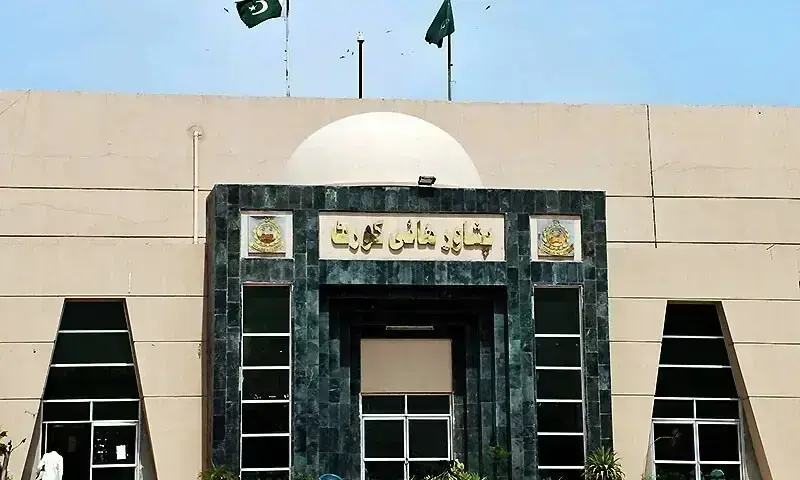
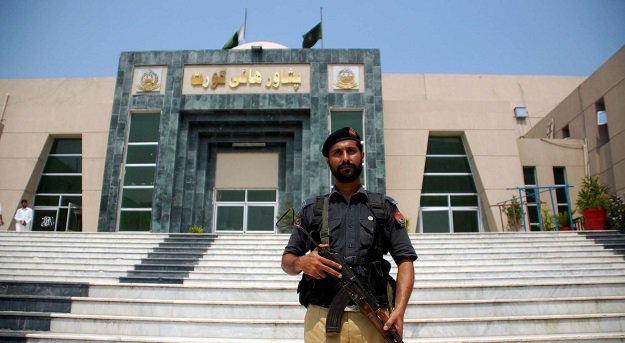
PESHAWAR: The Peshawar High Court (PHC) has rejected the bail petitions of approximately 50 Afghan nationals who were arrested for residing illegally in Pakistan, ruling that Proof of Registration (PoR) cards and Afghan Citizen Cards (ACC) are no longer valid documents permitting stay in the country.
A single-member bench headed by PHC Chief Justice SM Attique Shah passed nearly identical orders in all the cases, holding that at the time of their arrest, the accused petitioners did not possess any valid documentary authorisation allowing them to remain in Pakistan. The court observed that their continued presence in the country had become unlawful.
"Thus, prima facie, the accused petitioners appear to have committed an offence punishable under Section 14 of Foreigners Act, 1946. Moreover, Section 14-A of the Act places a restriction upon release on bail of a non-national, who is residing in Pakistan without permission from the competent authority."
The ruling by the PHC chief justice effectively means that Afghan nationals holding PoR cards or Afghan Citizen Cards can no longer rely on these documents as legal authorisation for their stay in Pakistan. The court's decision came in response to bail applications filed by the arrested Afghan nationals, all of whom faced charges under the Foreigners Act, 1946, for illegal stay in the country.
Implications of the ruling
The court's order carries significant implications for Afghan nationals residing in Pakistan on the basis of PoR cards and ACCs. The Proof of Registration cards were previously issued to Afghan refugees as a form of identification and registration, while Afghan Citizen Cards served a similar purpose for documented Afghan nationals in the country.
By declaring these documents insufficient for legal stay, the PHC bench has reinforced the position that Afghan nationals must possess valid and current authorisation from competent authorities to reside in Pakistan. The ruling cited Section 14 of the Foreigners Act, 1946, which prescribes punishment for illegal stay, as well as Section 14-A, which specifically restricts the grant of bail to foreign nationals residing in the country without proper permission.
The rejection of bail pleas for all approximately 50 Afghan nationals signals a firm judicial stance on the issue of undocumented or inadequately documented foreign nationals in Pakistan. The accused petitioners were found to be without any valid documentation at the time of their arrest, which the court deemed as prima facie evidence of an offence under the Foreigners Act.
Comments
No comments yet. Be the first to join the discussion!