Pakistan accuses India of fuelling proxy conflict
Pakistan told the UN Security Council that Afghanistan’s Taliban authorities must take verifiable and non-reversible action against militant groups on Afghan soil. Islamabad’s envoy also accused India of backing anti-Pakistan militants and pursuing proxy warfare.

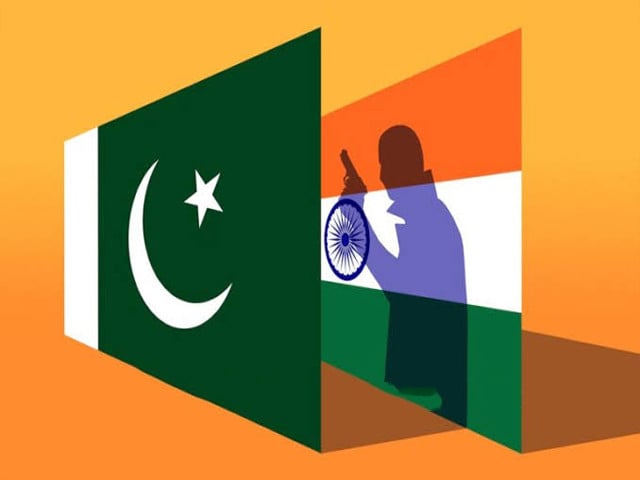
ISLAMABAD: Pakistan told the United Nations Security Council on Monday that Afghanistan’s Taliban authorities must take what it called verifiable and non-reversible action against militant groups operating from Afghan soil, while also accusing India of using Afghan territory to fuel instability in Pakistan.
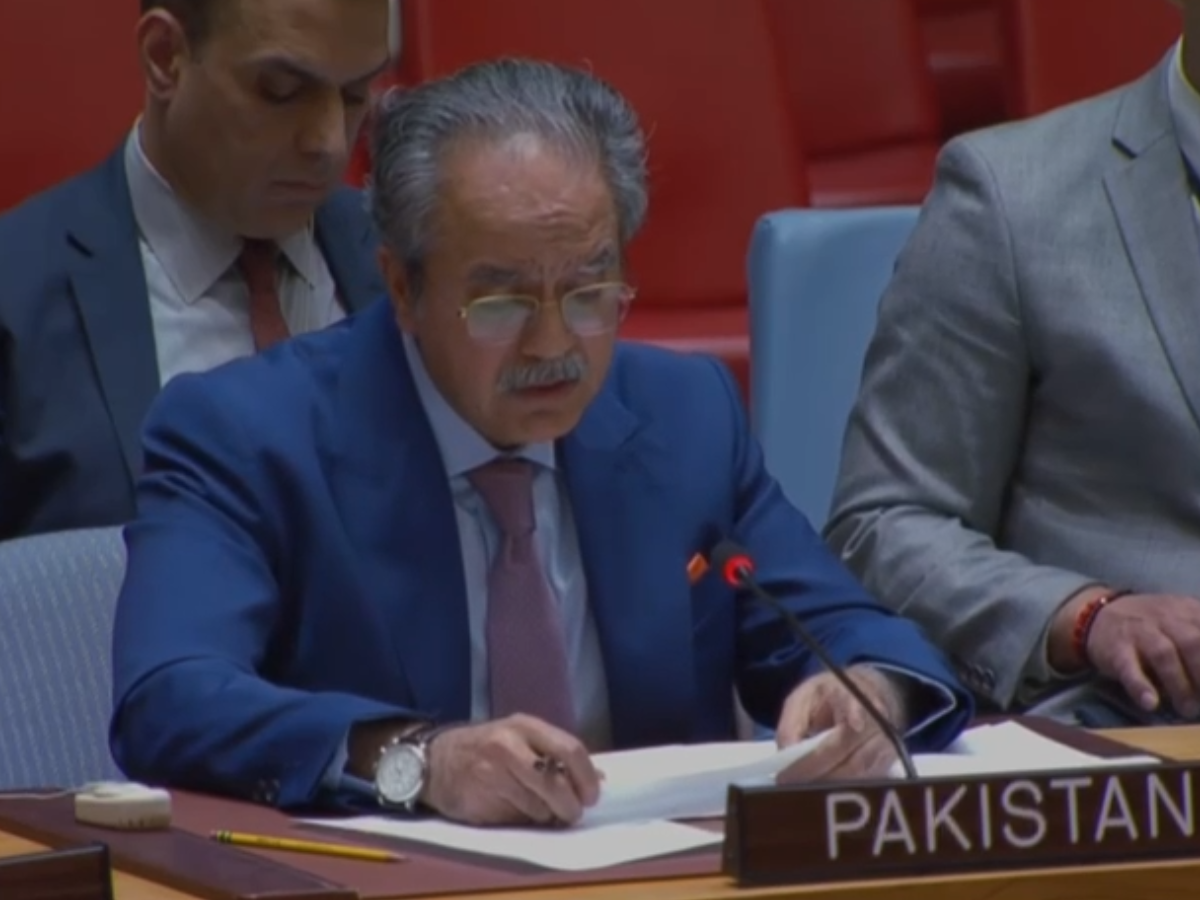
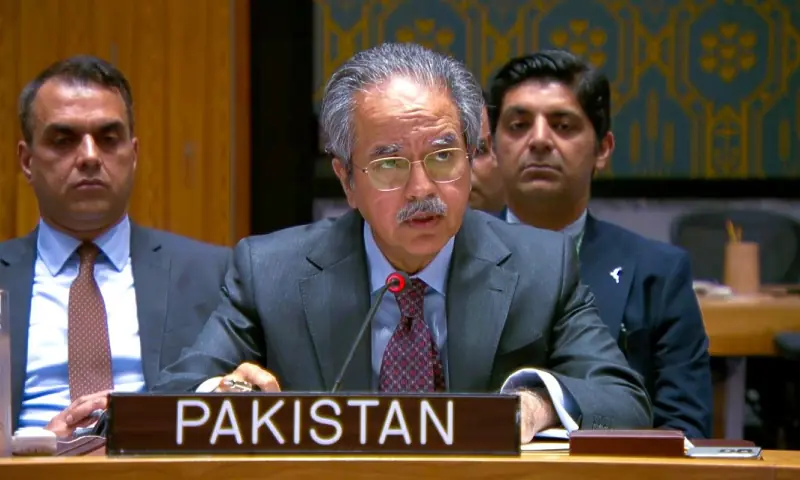
Speaking during a Security Council debate, Pakistan’s Permanent Representative to the United Nations, Asim Iftikhar Ahmad, said Islamabad had continued to support Afghanistan through humanitarian assistance, political engagement and steps aimed at expanding bilateral trade. Referring to Afghans as Pakistan’s brethren, he said Pakistan had taken multiple measures to help Afghanistan, including relief efforts, diplomatic engagement and trade incentives.
Ahmad said Pakistan had expected that, after the end of Afghanistan’s civil war, the Taliban would move towards responsible governance and fulfil their international commitments. Instead, he said, terrorism remained rooted in Afghanistan and continued to affect not only that country but also neighbouring states and the wider region.
He said it was regrettable that the Taliban had, in Pakistan’s view, returned to earlier methods by allowing safe havens for militant organisations and choosing what he described as a path of complicity. Ahmad also referred to what he called an outside actor, describing it as a longstanding spoiler that had quickly sought to wage a proxy war against Pakistan.
The Pakistani envoy said Islamabad would defend itself against anyone seeking to undermine its sovereignty, territorial integrity or national security.
Reply to India at the Security Council
In a right of reply during the same debate, Ahmad responded sharply to India’s intervention and also raised the issue of Afghanistan’s representation at the Council.
He said India’s statement was unsurprising and described its claims about development and humanitarian work in Afghanistan as a lengthy prelude to criticism of Pakistan. According to Ahmad, New Delhi’s policy in Afghanistan was driven by a single goal: destabilising Pakistan.
Ahmad accused India of backing militant groups involved in attacks inside Pakistan, including the Tehreek-e-Taliban Pakistan and the Balochistan Liberation Army. He referred to the BLA as Fitna al Hindustan and said the group functioned as an Indian proxy to carry out terrorism in Pakistan, alleging that it was supported and financed by New Delhi.
During his remarks, Ahmad also said Pakistan had anticipated that the Taliban would take positive steps to become a responsible governing authority by adhering to international obligations and commitments. He further said terrorism had for decades remained a major problem in Afghanistan, with consequences extending beyond its borders.
His statement at the Council combined Pakistan’s demand for action by the Taliban authorities against armed groups based in Afghanistan with renewed allegations that India was exploiting the situation to pursue a proxy campaign against Pakistan.
Comments
No comments yet. Be the first to join the discussion!