June 7, 2026
Turnover tax
The federal government’s turnover tax plan replaces the failed Tajir Dost scheme, offering traders a 1% levy on turnover and reduced audits. Officials target Rs 250 billion in the first year but face questions on losses, estimates, and tax compliance.

June 7, 2026

The federal government’s agreement to a turnover tax fulfills a longstanding demand
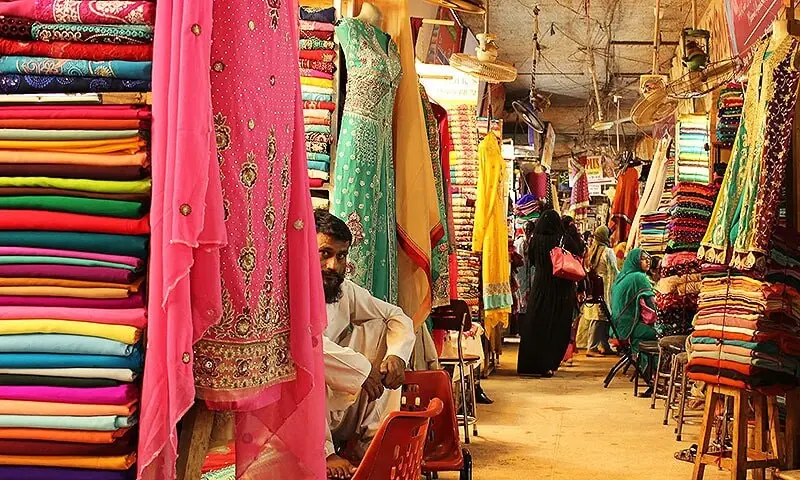
By imposing an income tax on the turnover of a business, rather than its profits, the government has accepted a longstanding demand of the traders’ community. This demand is so old, that it was made by Prime Minister Shehbaz Sharif back in the early 1980s, when he was President of the Lahore Chamber of Business and Industry. It was not accepted because the government wanted traders to pay income tax after filing details of their expenditures and incomes, on their profits. However, traders did not want to come into the tax net at all, so they came up with the turnover tax idea. They would pay a small percentage of their turnover and that could act as full and final settlement of their income tax. Traders with a turnover of under Rs 200 million a year can opt for the new scheme, and provided they pay one percent of that turnover, will get freedom from tax audits, with tax inspectors not being allowed on the premises. The government intends to implement the scheme from the coming fiscal in replacement of the failed Tajir Dost scheme, and hopes to raise Rs 250 billion the first year.
This raises a host of questions. Like how is the turnover to be estimated? What happens to a business that is losing money, though sales are vigorous? Businessmen will have the option of filing regular returns. It seems as if the government has channelized the resentment against its tax machinery into a scheme which keeps tax inspectors away from business premises, and thus unable to suggest ways to keep them out of the tax net. It becomes possible for a businessman to pay the fixed tax in profitable years, and opt to file a return in less profitable or losing years. In short, it is possible to look at it as a sort of rolling amnesty.
An important element is the sales tax, The paperwork involved in it for them has got businessmen and manufacturers all riled up. This scheme does not address it, something which may be done later. One effect contemplated is bringing a large category of persons into the tax net. This is better than squeezing the salaried class, the low-hanging fruit of tax collection, because once in the tax net, traders will have to face future exactions.
The Editorial Department of Pakistan Today can be contacted at: [email protected].
View all articles →0 Comments
No comments yet. Be the first to join the discussion!