Smugglers win as PSO pays premium for diesel imports
PSO has received two diesel cargoes booked at high prices while smuggled fuel is estimated to be entering Pakistan at 10 million litres a day. Industry estimates put the tax loss from illicit diesel at nearly Rs1 billion daily.

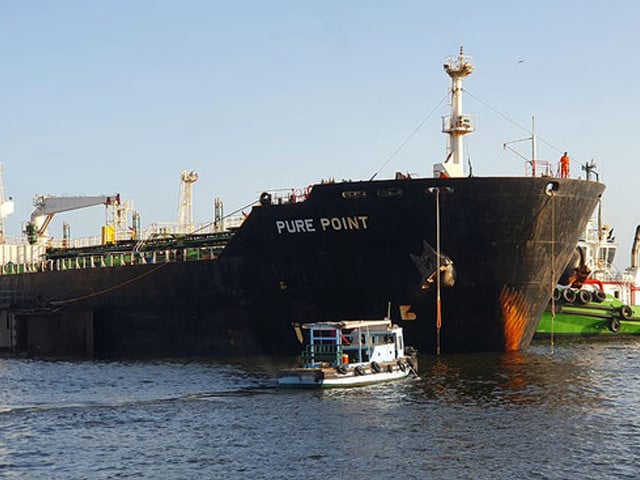
ISLAMABAD: Pakistan State Oil (PSO) has taken delivery of two high-speed diesel cargoes booked at elevated prices even as smuggled diesel continues to saturate the domestic market.
The two vessels — MT Celestial and MT Celine 1 — each carried 33,000 tonnes of diesel. Based on PSO’s usual procurement terms and pricing period, the final landed cost was estimated at $177.36 per tonne for one cargo and $179.23 per tonne for the other. Both shipments were priced on a five days around Bill of Lading basis, which is consistent with the company’s standard tender conditions.
With Platts assessed at about $140 per tonne in the current week, the purchases indicate notional losses of $1.27 million. Responding to questions, PSO Managing Director Jawad Cheema said the shipments had been contracted earlier and did not represent fresh buying. He also said the supplier had agreed to absorb demurrage charges, meaning PSO would not incur that cost.
Cheema said the cargoes were relatively small and that the premium paid was not excessively high. He added that premiums on oil imports had been higher in March before easing later.
Smuggling pressures formal fuel market
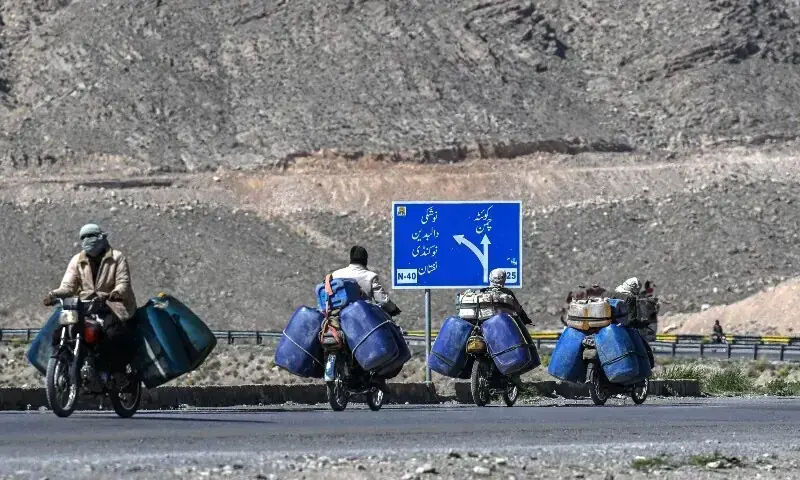
Diesel smuggling, largely from Iran, has risen to an estimated 10 million litres a day based on industry calculations. That flow of untaxed and unregulated fuel has undercut legal imports as well as domestically refined supply, creating pricing pressure that formal-sector players have struggled to match.
Industry estimates put the government’s loss from unpaid taxes and duties at nearly Rs1 billion per day. Payments for smuggled diesel are generally made in US dollars through informal channels outside the banking system, contributing to foreign exchange outflows.
Refineries face weak offtake
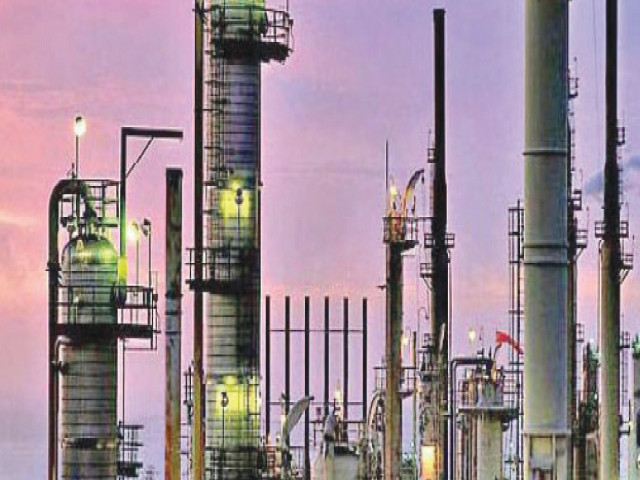
The Ministry of Energy has in recent weeks quietly asked refineries to explore ways to cut diesel production as the market becomes increasingly saturated by informal supply. Refinery executives, speaking on condition of anonymity, said they had been unable to clear finished stocks for weeks, while procurement by oil marketing companies had dropped to an 18-year low.
A senior official of a foreign-owned oil marketing company described the situation as a contradiction between high-cost state imports and a market flooded by illicit fuel. "You have a state-owned enterprise spending public money to import diesel at (high) prices, while the market is drowning in cheap smuggled fuel and local refineries can't sell what they produce," the official said.
"Govt has sold cheap diesel at the cost of OMCs as it still hasn't cleared price differential claims of March," he added.
An Islamabad-based energy economist said the government had failed to curb smuggling from Iran in a meaningful way, allowing a market structure in which legal players lose ground while smugglers benefit. "The government has been unable or unwilling to stem diesel smuggling from Iran meaningfully. So you end up with a perverse equilibrium – the formal market collapses, the state entity keeps importing on inertia, and the only winners are smugglers," they said.
Several refinery officials warned that if diesel offtake does not return to earlier levels, they may be forced to shut down plants, a step they said would further strain the country’s energy security.
Comments
No comments yet. Be the first to join the discussion!