Iranian fuel smuggling rises again
Smuggled Iranian petroleum products are again entering Pakistan in larger volumes, according to a report, prompting concern among local refineries. The inflow comes as higher global oil prices and the Strait of Hormuz disruption increase pressure on Pakistan’s energy sector.

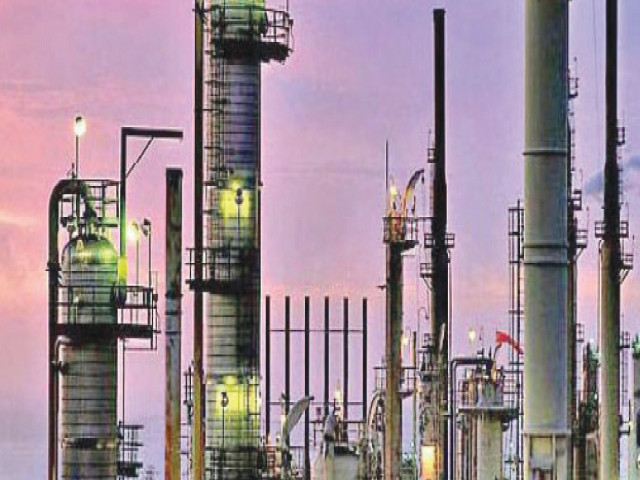
ISLAMABAD: Smuggled petroleum products from Iran have again begun entering Pakistan’s market in larger volumes amid the US-Iran war, creating concern among domestic refineries already facing pressure from higher international oil prices and supply uncertainty.
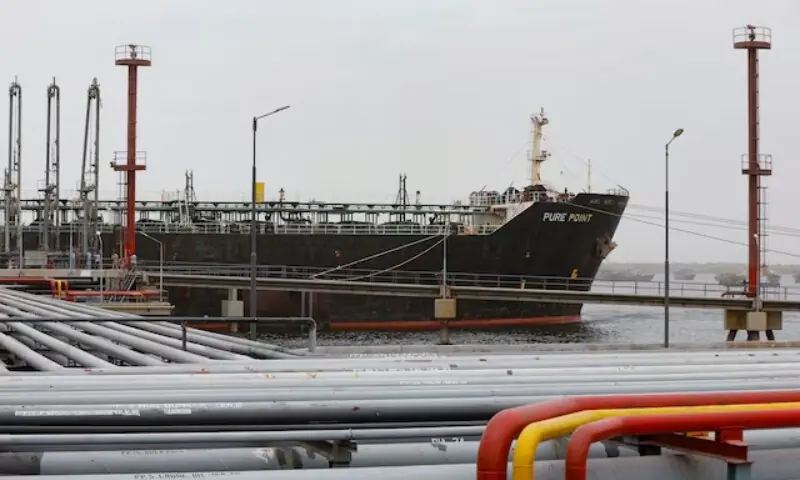
The disruption linked to the closure of the Strait of Hormuz for more than two months has pushed up oil prices globally. Pakistan’s weekly oil import bill has risen from $300 million to $800 million, adding strain to the economy.
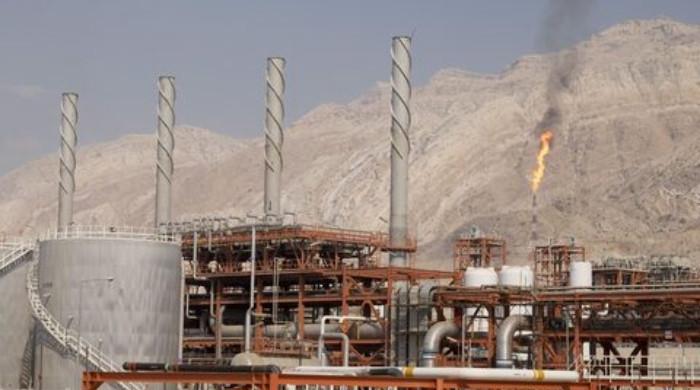
All major refineries — Pak Arab Refinery (Parco), Pakistan Refinery Ltd (PRL), National Refinery Ltd (NRL) and Attock Refinery Ltd (ARL) — sent a joint letter to the chairman of the Oil and Gas Regulatory Authority (Ogra), warning that the inflow of smuggled Iranian petroleum products was seriously affecting refinery operations.
The letter referred to a meeting convened by Ogra over the weekend on low procurement from local refineries. In that communication, the refineries said they had collectively argued that instead of reducing refinery production, authorities should consider steps to curb the growing cross-border movement of petroleum products, which they said appeared to be weakening demand for locally refined fuel.
In the letter, the refineries also expressed concern that if the issue remained unresolved, the inflow could rise further and return to levels seen in earlier years, hurting refinery throughput, operational viability and the wider domestic supply chain.
"We refer to a meeting convened by Ogra over the weekend to deliberate on low procurement from local refineries. In view of the above, we request Ogra to highlight the potential adverse implications of such unregulated cross-border product inflows for refinery operations and to consider recommending appropriate enforcement and monitoring measures to safeguard the integrity of the domestic petroleum supply chain," the refineries said in the letter.
Past crackdown and scale of smuggling
Intelligence agencies in 2024 uncovered a network involving 738 petrol filling stations, smugglers and officials allegedly linked to the illegal movement of Iranian petroleum products. The operation was said to be causing annual losses of Rs227 billion to the national exchequer.
Of those identified, 533 were petrol pumps, 100 were described as corrupt officials and 105 as Iranian oil smugglers. The products were brought into Pakistan through both land and sea routes.
Following those findings, Pakistan’s military and civilian leadership moved to curb the illegal inflow of petroleum products from Iran. The report added, however, that some insiders viewed the renewed inflow differently at a time when oil prices had climbed and concerns over fuel availability had increased because of the Strait of Hormuz closure.
It also said Kuwait and Saudi Arabia had recently sent oil cargoes to help Pakistan avert a possible oil crisis. Pakistan, has long failed to establish strategic oil reserves, though the government is now considering building strategic oil buffers to reduce the risk of shortages.
Routes, volumes and revenue losses
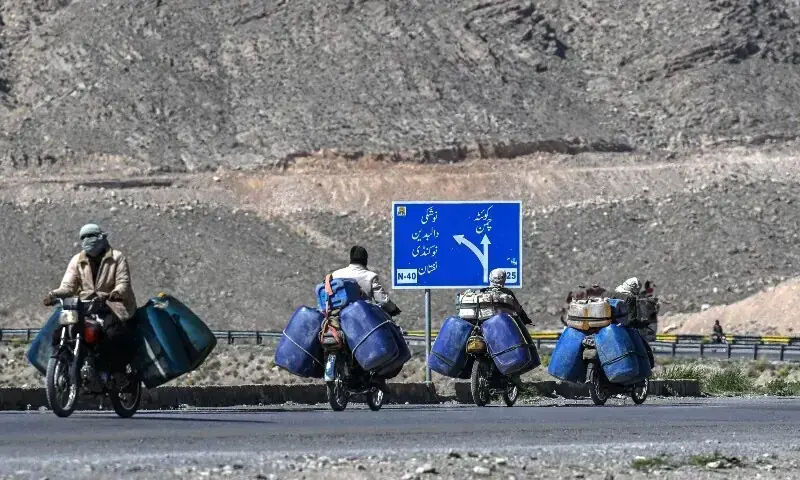
Iranian diesel and petrol are mainly smuggled through less-travelled routes in the Makran and Rakhshan divisions, with the products reaching as far as southern Punjab and Sindh. The annual volume of oil smuggling is estimated at 2.8 billion litres, with losses to the exchequer put at no less than Rs227 billion.
The smuggled fuel is largely sold through unauthorised roadside petrol outlets. In 2023, Iranian oil smuggling had reached 10.1 million litres per day before falling to 5 to 5.3 million litres per day after a crackdown by the previous caretaker government.
It estimated that around 5,000 tons of high-speed diesel are currently being smuggled into Pakistan each day against total demand of 22,000 tons, accounting for nearly 23% of consumption. The government is said to be losing Rs80 per litre in petroleum levy and customs duty, equal to an estimated Rs475 million per day.
In the first week of April 2026, a statement attributed to the Balochistan government and published in the national media called for allowing the sale of smuggled Iranian diesel in the province at Rs280 per litre.
Industry players also expressed alarm over what they described as a proposal to ask refineries to cut diesel production instead of intensifying anti-smuggling action. They said in the letter: "Such an approach will send highly negative signals to refiners. One fails to understand how refineries can be expected to invest billions of dollars in plant upgrades and capacity enhancement under these circumstances, particularly when their existing production cannot be sold due to the unchecked inflow of smuggled products."
Comments
No comments yet. Be the first to join the discussion!