Government renews call for responsible population planning on World Population Day
Prime Minister Shehbaz Sharif and President Asif Ali Zardari used World Population Day messages to stress responsible population planning, youth investment and women’s empowerment. The government says its new National Population Council will coordinate a national strategy on population and developme

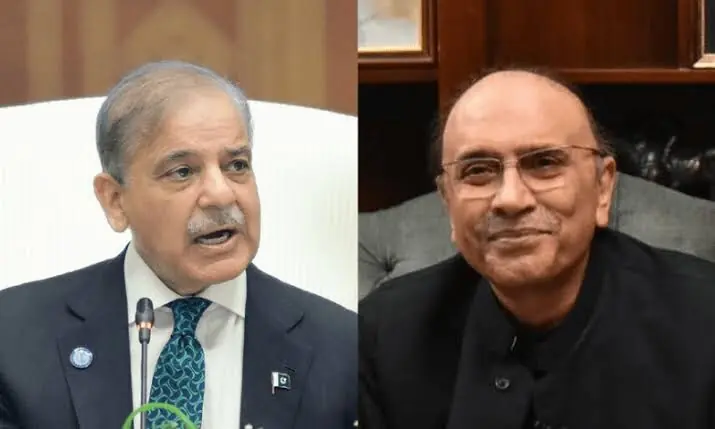
ISLAMABAD: Prime Minister Shehbaz Sharif on Saturday said Pakistan was reaffirming its commitment to responsible population planning, urging state institutions, development partners and social stakeholders to treat the country’s fast-rising population as an urgent national issue tied to sustainable development and long-term prosperity.
In his World Population Day message, the prime minister pointed to Pakistan’s annual population growth rate of 2.55 per cent and said the trend was creating pressure on economic planning, jobs, education, healthcare, housing, food security, infrastructure and environmental sustainability. He also noted that Pakistan is the world’s fifth most populous country and that 65 per cent of its population is under the age of 30.
Shehbaz said the country’s young population represented a major national strength and could serve as a driver of economic and social progress, but added that this potential would require sustained investment and a broad strategy to turn the demographic profile into an advantage. Referring to this year’s World Population Day theme, he said the focus on the hopes and aspirations of young people highlighted their central role in shaping the country’s future.
The prime minister called on federal and provincial governments, parliamentarians, development partners, civil society, academia, the private sector, religious scholars, the media and local communities to promote informed decision-making, responsible parenthood, gender equality and sustainable development as part of a shared national responsibility.
Attributing the government’s approach to wider welfare goals, he said population planning and management were essential for a society in which resources and public services could be distributed more fairly. He added that all citizens, especially vulnerable groups, should be considered in future planning and should have equal access to core services.
"Today, Pakistan joins the international community in observing World Population Day and reaffirms its commitment to responsible population planning as a cornerstone of sustainable development and national prosperity"Shehbaz said education, healthcare, economic inclusion, and equal opportunities for women and girls remained among the government’s top priorities. He added that the government had recently set up the National Population Council to prepare a comprehensive national strategy on population and development. According to the prime minister, the body will coordinate policy between the federation and provinces, improve institutional collaboration, guide implementation of the National Population Programme and support timely decision-making in line with national priorities.
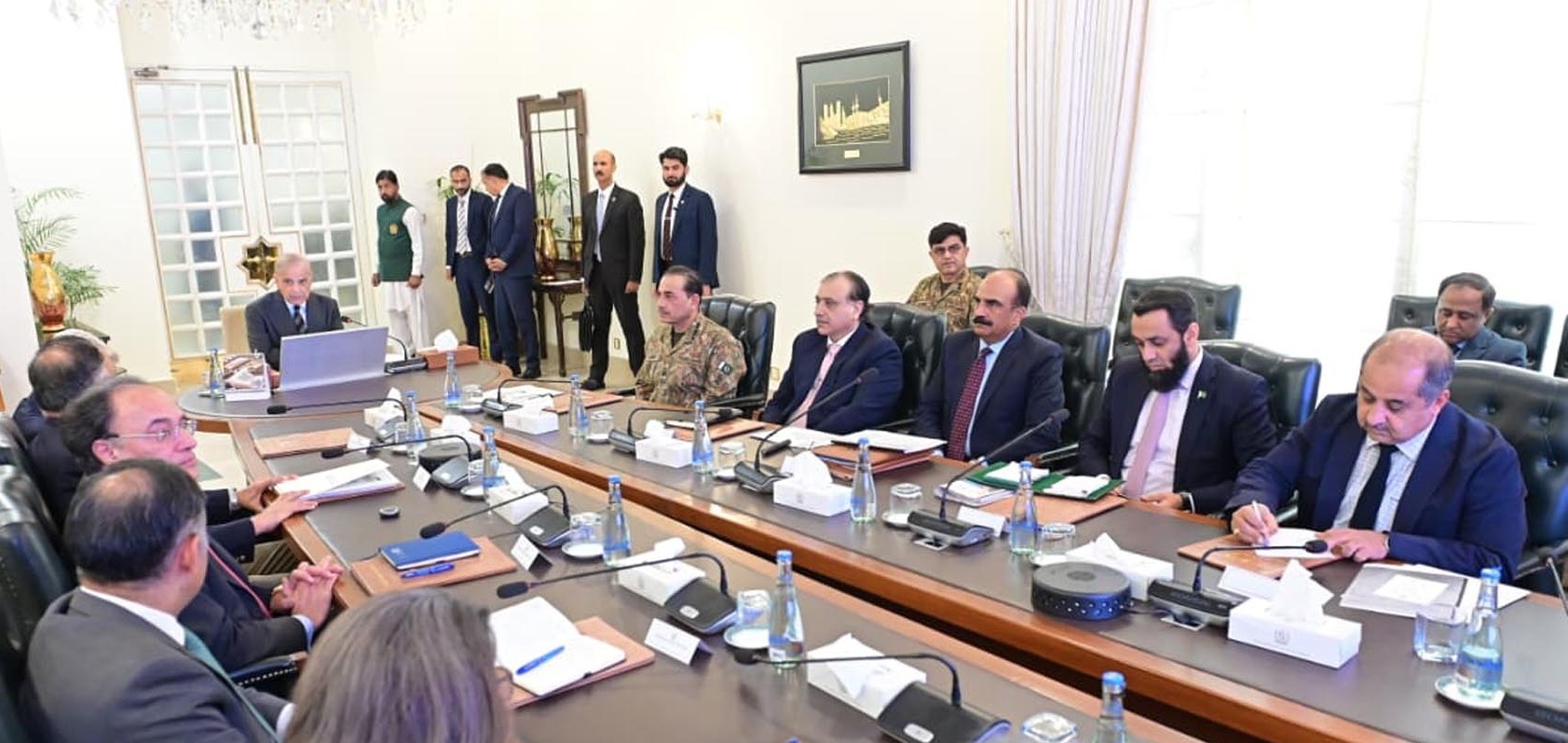
He further said the council would give priority to incorporating population-related concerns into the broader development agenda, while also advancing women’s empowerment, human resource development and evidence-based policymaking aimed at long-term social and economic progress. The government, he added, was also pursuing the Prime Minister’s Youth Programme and other national initiatives intended to help build empowered citizens. The government recently formed a high-level committee on the issue that includes the army chief as a member.
President stresses youth and women’s development
In a separate World Population Day message, President Asif Ali Zardari also called for collective efforts to promote the health, well-being and empowerment of the population. He said Pakistan should place women, children and young people at the centre of national development efforts to build a more equitable, inclusive and sustainable future.
The president described the country’s large youth population as a unique opportunity for progress, saying that if young people were given access to education, healthcare, skills and jobs, they could become a demographic dividend that supports growth, innovation and social development.
If provided with quality education, healthcare, skills and employment opportunities, our youth can become a powerful demographic dividend, driving economic growth, innovation and social development.
Zardari said population and development were closely linked, arguing that advances in education, healthcare, gender equality, poverty reduction and economic opportunity strengthened families and communities. His message also placed particular emphasis on women’s and children’s health, describing maternal health, child survival, nutrition, education and access to essential healthcare as fundamental to sustainable development.
He said a society could not prosper if mothers faced preventable risks during pregnancy and childbirth, if children suffered malnutrition, or if girls were denied the opportunity to learn and progress. Recalling the vision of former prime minister Benazir Bhutto, the president said she had stressed the importance of women’s empowerment, education and reproductive health in national development. He said ensuring healthcare for women and proper care, nutrition and education for children was both a moral duty and a national imperative.
Comments
No comments yet. Be the first to join the discussion!