June 28, 2026
Smuggled diesel takes toll on local refineries
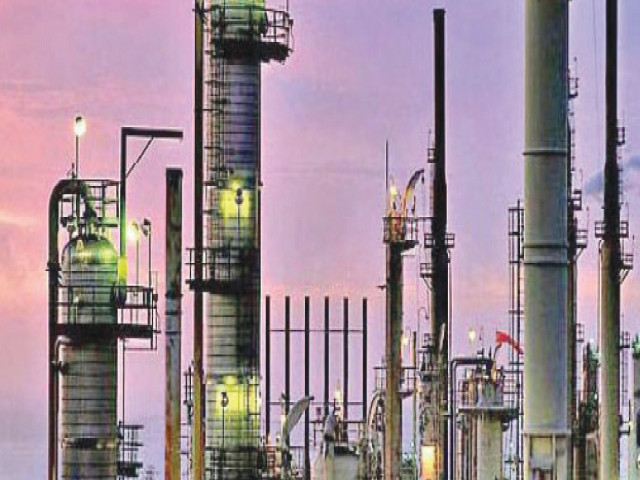
Industry representatives say smuggled Iranian diesel is eroding local fuel sales and putting pressure on Pakistani refineries. They say illegal inflows remained significant in May and June despite falling domestic diesel prices.

June 28, 2026
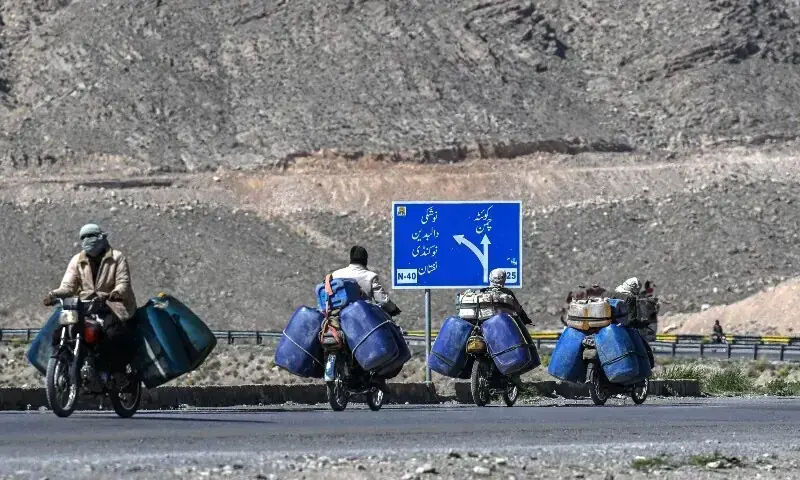
KARACHI: Illegal inflows of diesel from Iran are continuing despite lower domestic fuel prices, with industry representatives saying the trade is hurting refinery output and reducing sales of locally supplied fuel.
According to figures cited by industry stakeholders, local diesel sales fell to about 15,000 tonnes per day in May from 20,000 to 22,000 tonnes per day, suggesting that around 5,000 to 6,000 tonnes of Iranian diesel were being consumed daily in the country. Overall diesel sales in May were recorded at 455,000 tonnes, down 32 per cent from a year earlier and 17 per cent from the previous month. For the first 11 months of FY26, however, sales were up 1 per cent to 6.354 million tonnes.
Oil Companies Advisory Council Secretary General Dr Syed Nazir Abbas Zaidi said he did not yet have the complete sales data for June, but estimated that illegal arrivals of high-speed diesel from Iran may have been between 3,000 and 4,000 tonnes per day during the month. He said the decline in global crude and refined product prices had pushed diesel prices lower in Pakistan and may also have reduced the price of smuggled fuel.
Industry players say Iranian diesel is being sold at Rs220 to Rs240 per litre, while the domestic diesel price dropped from Rs399 per litre on May 1 to Rs311.47 per litre. Dr Zaidi said the smuggled product still retained a substantial price edge over local diesel. He said it was roughly Rs100 per litre cheaper on average, making it attractive to transporters seeking to cut fuel bills despite the risk of engine damage.
Seasonal demand and refinery concerns
Dr Zaidi said diesel demand usually rises in May because of wheat harvesting, when transporters carry grain from producing areas in Punjab and Sindh to other parts of the country. He added that another seasonal increase in demand comes in November during the harvesting of other crops. According to him, more than 75 per cent of diesel sales are linked to the transport of agricultural goods, while urban demand remains normal.
He said the OCAC informed the government in mid-May about weak diesel uplift from local refineries. During discussions with the Oil and Gas Regulatory Authority, refineries jointly argued that instead of reducing refinery production, authorities should take all possible steps to check the growing cross-border inflow of petroleum products that appears to be affecting demand for locally refined fuel.
The refineries also warned that if the issue was not addressed, the inflow could rise further and return to levels seen in earlier years, affecting refinery throughput, operational sustainability and the wider domestic supply chain.
“Our main concern now is diesel smuggling from Iran which needs to be stopped to avert any crisis in the local refineries and oil marketing companies," Dr Zaidi said, referring to the industry’s concerns.
He added that informal petrol inflows from Iran were not a major issue and were largely limited to Balochistan. He also said locally produced diesel was of much better quality than the smuggled Iranian product. On petrol, he said motorists eventually stop using Iranian fuel when vehicles begin knocking or develop other engine-related problems.
0 Comments
No comments yet. Be the first to join the discussion!