Drought and El Niño fears deepen hunger concerns in Guatemalan village
A worsening drought in Guatemala’s Cunen region and the expected arrival of El Niño have raised fears of hunger among Indigenous farming families as crops fail and wells dry up. Residents say shrinking harvests and deportation-linked economic strain are compounding the crisis.

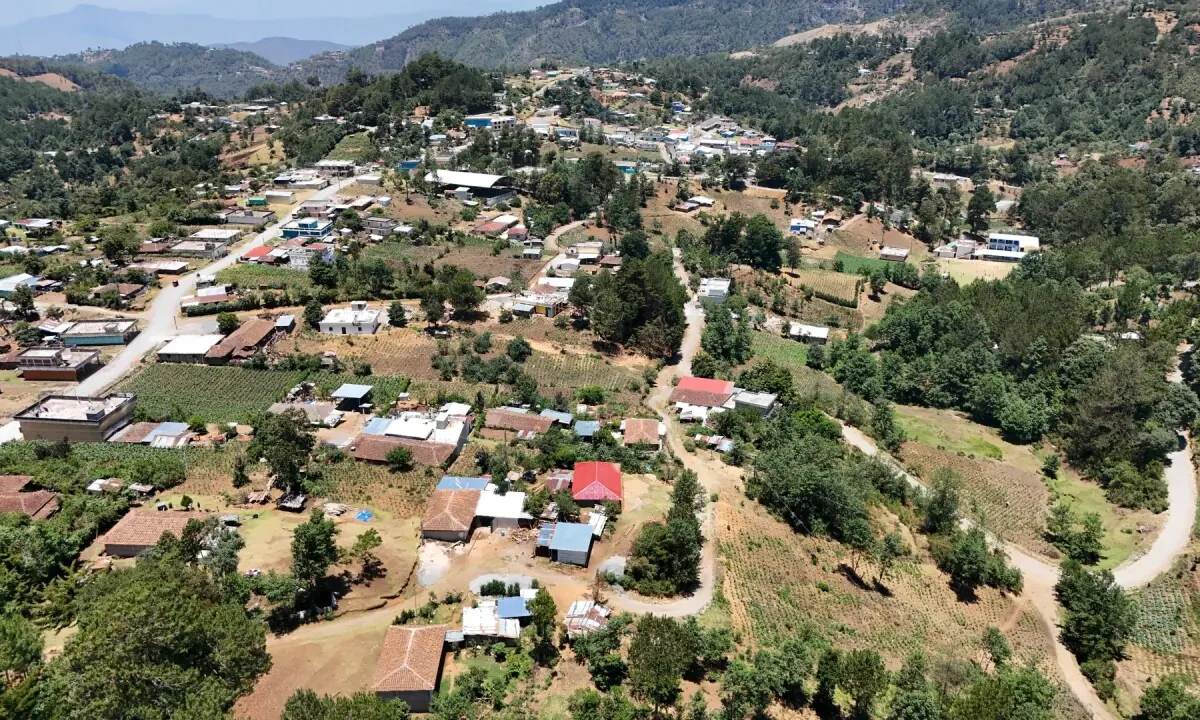
GUATEMALA CITY: Residents of Xetzac, an Indigenous village in Guatemala’s mountainous Cunen region, say worsening drought and the approach of an El Niño weather cycle have intensified fears of hunger as rains fail to arrive and crops begin to wither.
Cunen, in the Maya-majority department of Quiche, is a remote area where most of its roughly 47,000 inhabitants live in poverty and depend on well water that is now drying up. The area lies in Central America’s Dry Corridor, an arid mountainous belt stretching through Honduras, El Salvador and Nicaragua that has become increasingly exposed to extreme climate events. Quiche was among the regions worst affected during Guatemala’s El Niño-linked food crisis in 2023, and some residents now fear a repeat amid limited government support.
Cecilia Pasa Sarat, 38, said she had planted only a small amount of corn and worried about what would happen if rainfall did not come. "If there isn’t rain, (the crops) won’t come … If there isn’t anything, we’re going to die of hunger," she told AFP. Community leader Elvira Pasa, 27, said families in the village grow food mainly for their own consumption rather than for sale. "We farm. We don’t sell it. We just eat it," she said.
"Whatever we plant is what we eat. What will happen if it doesn’t rain?" Lucia Rojop, 43, also asked.
Dry conditions damage crops
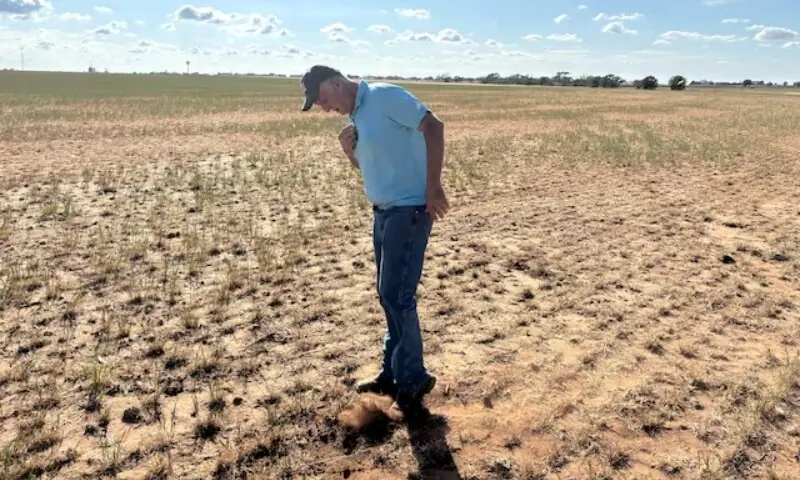
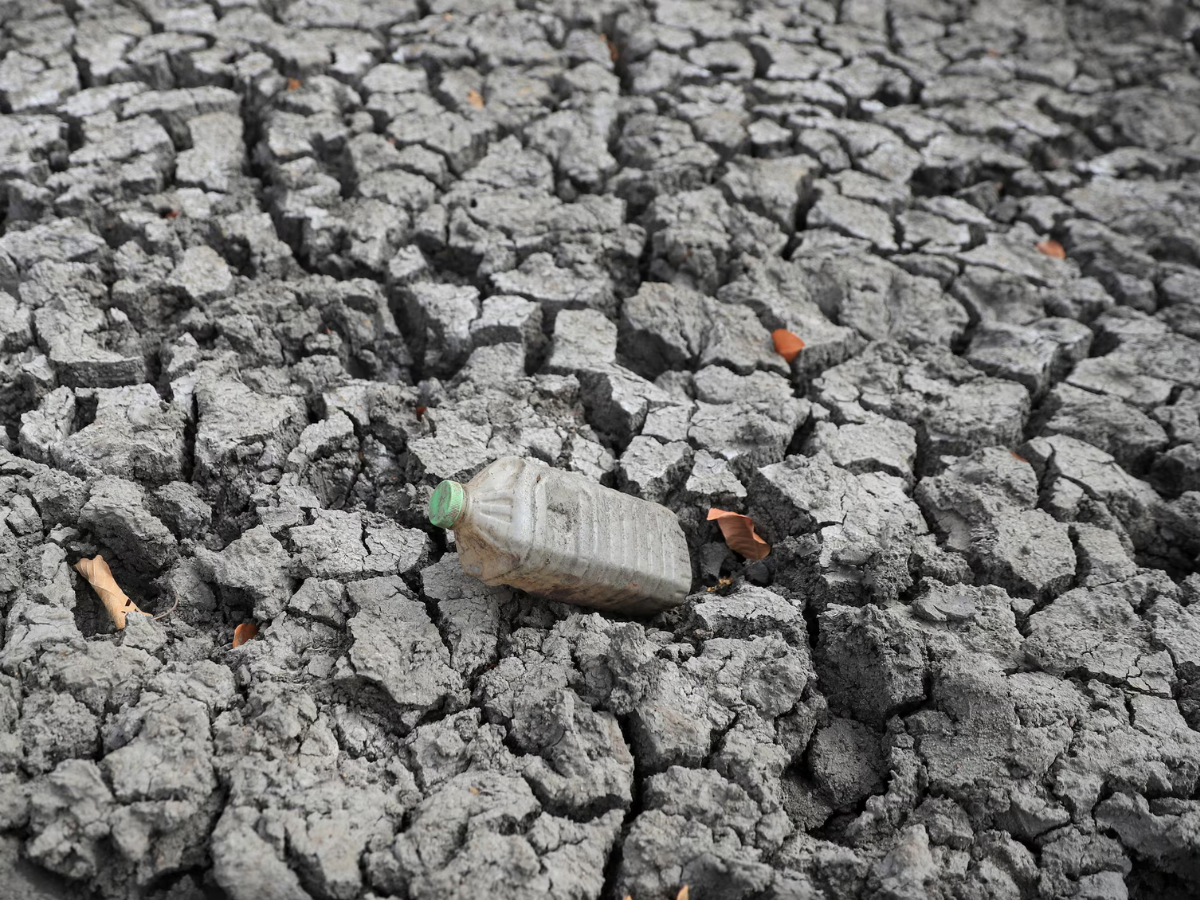
After weeks without sufficient rain, Xetzac’s roads have turned dry and dusty, while creeks that usually help irrigate fields of corn, potatoes, broccoli and beans are shrinking under intense heat. Residents said the prolonged dry spell has already harmed crops. Cecilia Pasa said the soil no longer retained the moisture it once did and the plants were struggling to survive.
She said only about half of her neighbours planted corn this year. Others decided not to sow at all, including Catarina Sica, who said the planting window had already passed without rain. Sica showed the corn seeds she had been unable to plant and said the lack of rainfall had forced her family to hold back.
The concern is part of a broader national threat. About 2.5 million people in Guatemala could face food insecurity because of drought and the strong likelihood of a powerful El Niño cycle. The Guatemalan government says it has prepared 1.1 million food rations for possible emergency distribution.
El Niño outlook and wider pressures
El Niño occurs every two to six years as part of a natural climate cycle linked to changes in Pacific Ocean surface temperatures. It is expected to begin between June and August and could trigger effects lasting for months. Experts said whether it develops into a more dangerous event will depend on several atmospheric conditions. Governments across the drought-prone countries of Central America have already raised alert levels over the phenomenon.
El Niño is not the only factor worsening conditions. The Guatemalan government says the country’s Dry Corridor has expanded from 40 municipalities in 2004 to 160, leaving nearly half of Guatemala exposed to drought driven by climate change.
Deportations add to economic strain
Families in Cunen have also lost a source of relief that had long helped them cope with hardship: remittances from relatives in the United States. US President Donald Trump’s mass deportations have reduced that support. About 24,000 Guatemalans have been deported this year, many of them from Quiche.
The deportations have also stalled house construction projects financed by migrant earnings, cutting associated employment in the area. Many families are now trying to manage by raising pigs, sheep, chickens and turkeys for sale.
Sica’s husband returned two years ago after saving enough to build a concrete house. She said he now finds only occasional work in agriculture, earning $10 a day, which leaves the family relying mainly on beans, herbs and potatoes, as many local households do. "We’re seeing what to do, but it all depends on God," Sica said.
Comments
No comments yet. Be the first to join the discussion!