Rubio says Iran ready for limited nuclear talks as US faces pressure over Middle East strategy
Rubio Says Iran Ready for Limited Nuclear Talks as US Faces Pressure Over Middle East Strategy

-- Tehran signals openness to discuss previously untouchable nuclear issues
-- US congress presses administration on Iran war and regional escalation
-- Sanctions relief linked to nuclear commitments, not Hormuz access
-- Ceasefire efforts remain fragile amid continuing regional tensions
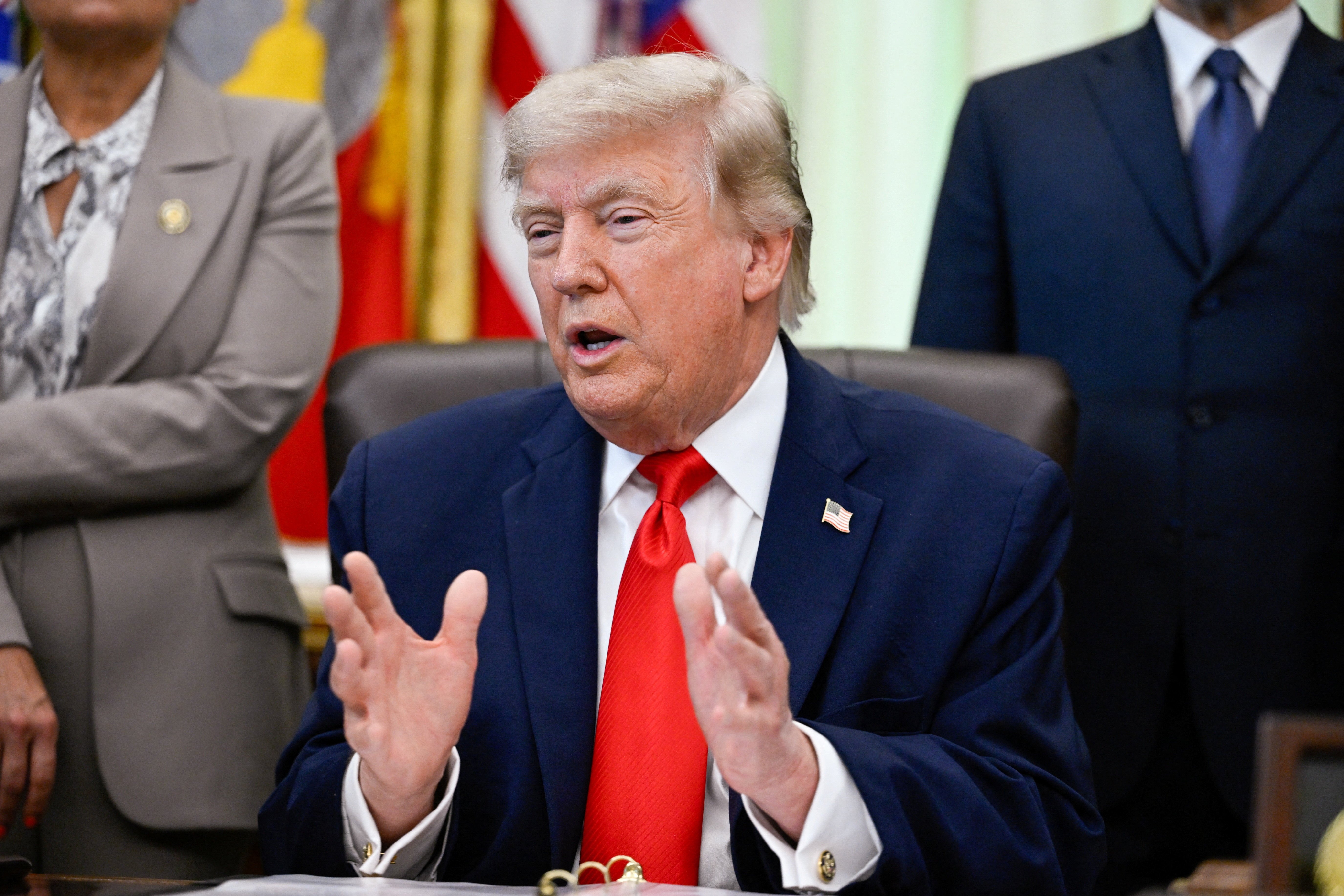
WASHINGTON: US Secretary of State and National Security Adviser Marco Rubio told American lawmakers on Tuesday that Iran has agreed to enter limited negotiations regarding its nuclear programme, describing the development as a cautious but potentially significant diplomatic opening amid the ongoing US-Israeli conflict with Tehran.
Appearing before the Senate Foreign Relations Committee, Rubio revealed that Iranian officials had shown a willingness to discuss certain aspects of their nuclear activities that they had previously refused to place on the negotiating table.
“They have agreed to negotiate aspects of their nuclear programme that just a month ago, and even a year ago, they were unwilling to discuss,” Rubio said during the hearing. However, he cautioned that the renewed dialogue should not be interpreted as a guarantee of a comprehensive agreement.
Rubio stressed that the negotiations remain preliminary and face substantial obstacles, including disagreements over sanctions relief, nuclear enrichment limits and broader regional security arrangements.
“This is not a guarantee that ultimately it will lead to a deal that would be acceptable,” he told lawmakers, adding that internal political uncertainties within Iran have complicated diplomatic efforts.
The secretary of state also dismissed reports suggesting that Washington had offered sanctions relief in exchange for Iran reopening the strategically vital Strait of Hormuz. He clarified that any easing of economic restrictions would depend entirely on Tehran meeting specific obligations concerning its nuclear programme.
The hearing marked Rubio’s first appearance before the Senate Foreign Relations Committee since the outbreak of the Iran conflict, which has now entered its fourth month and continues to generate concern over regional stability and global energy security.
Lawmakers from both parties used the opportunity to question the administration’s handling of the crisis, the objectives of ongoing military operations and the prospects for a durable ceasefire.
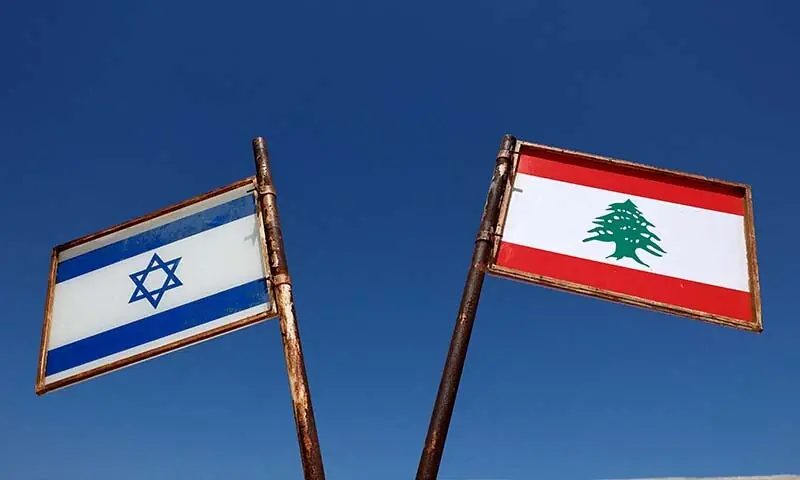
US officials have acknowledged that while diplomatic channels remain open, significant hurdles continue to stand in the way of a lasting settlement. The situation became even more complicated after Iran suspended negotiations on Monday, citing continuing Israeli military strikes in Lebanon.
The suspension dealt a blow to optimism generated by recent comments from President Donald Trump, who had suggested last week that progress toward a diplomatic breakthrough was within reach.
Senator Jeanne Shaheen, the committee’s ranking Democrat, criticised the administration for what she described as inadequate consultation with Congress regarding military deployments, operations involving Iran and broader foreign policy decisions.
“When you do notify Congress, it is often to inform us of decisions that have already been made,” Shaheen said, expressing concern about transparency and oversight.
She also raised questions regarding the depletion of US military stockpiles, particularly advanced weapons systems being used in the conflict.
Committee Chairman Senator James E. Risch noted that the hearing represented Congress’s first major opportunity to scrutinise the administration’s strategy since the outbreak of hostilities. His remarks reflected growing concern among lawmakers about the potential for wider regional escalation involving Israel, Lebanon, Gulf shipping routes and other actors across the Middle East.
Throughout the hearing, senators repeatedly questioned Rubio about ceasefire enforcement mechanisms, military objectives and Washington’s broader diplomatic roadmap for ending the conflict.
The session was briefly interrupted by protesters who accused the administration of contributing to humanitarian suffering. Demonstrators shouted slogans as Rubio entered the hearing room before security personnel escorted them out.
Outside the chamber, additional protesters continued chanting against US foreign policy, highlighting growing public debate over the administration’s approach to multiple international crises.
Rubio is scheduled to testify before the House of Representatives later this week as congressional scrutiny of the administration’s Middle East policy intensifies. With ceasefire efforts under strain and negotiations facing repeated setbacks, the prospects for a comprehensive diplomatic breakthrough remain uncertain, despite signs that both Washington and Tehran may still be searching for a pathway back to meaningful dialogue.
Comments
No comments yet. Be the first to join the discussion!