PM Shehbaz promises budget steps to support industry and business growth
Prime Minister Shehbaz Sharif said the upcoming budget would include steps to support industrial growth and ordered pending tax refunds cleared by June 15. He also reviewed progress on Pakistan-China business agreements signed during the recent B2B conference.

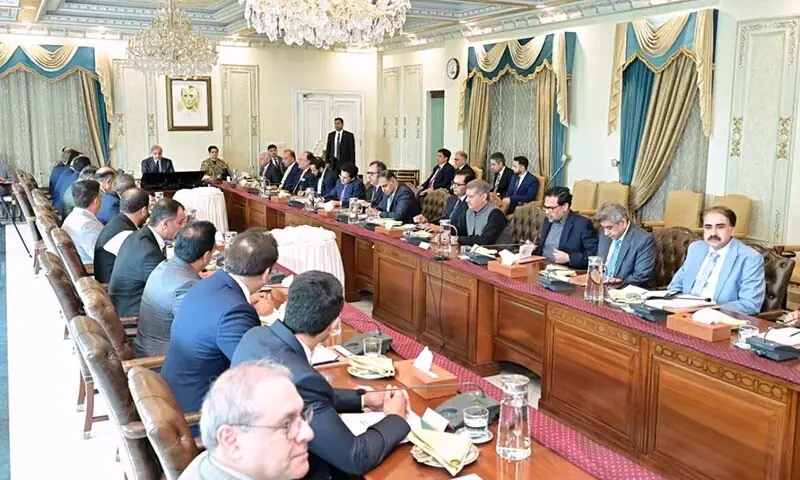
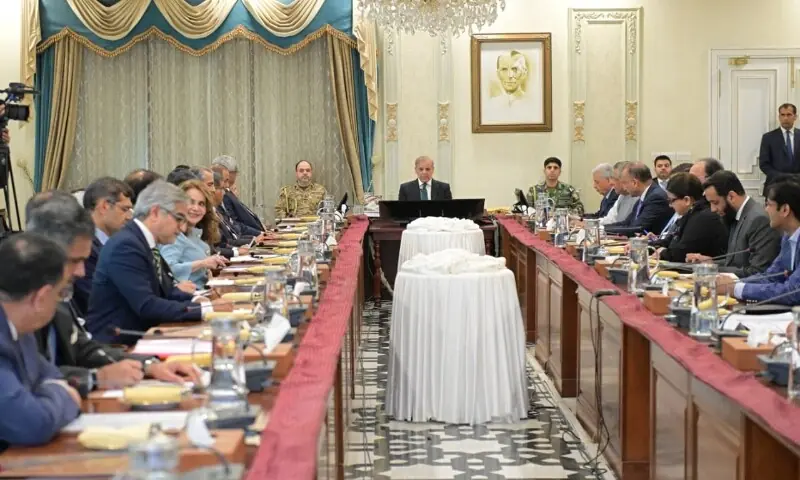
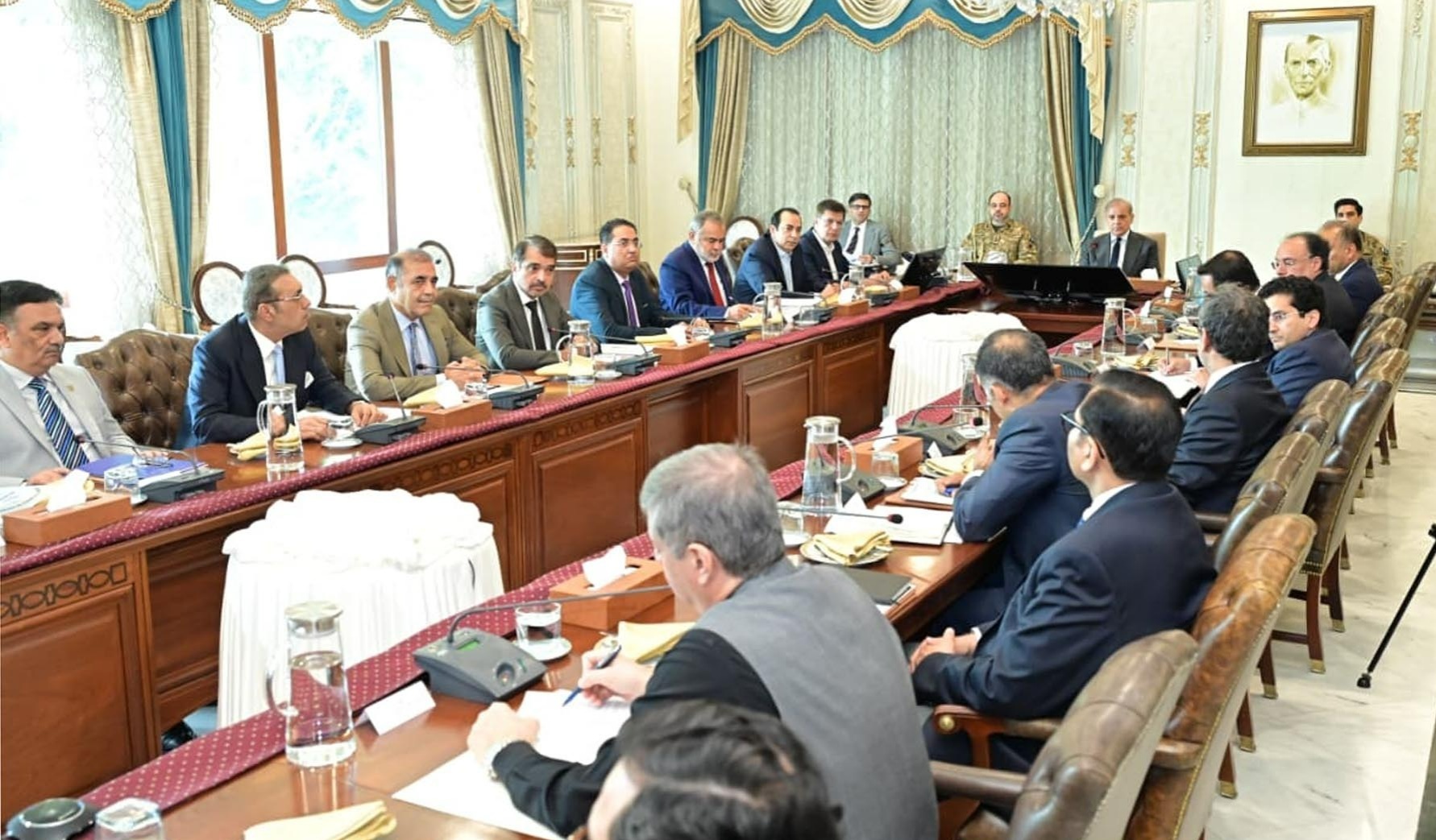
ISLAMABAD: Prime Minister Shehbaz Sharif on Monday told businessmen and industrialists that the upcoming federal budget would include measures aimed at encouraging industrial expansion and higher production, as he sought budget proposals from presidents of chambers of commerce and industry ahead of the June 5 budget announcement.
During the meeting, the prime minister directed the Federal Board of Revenue to clear all pending tax refund cases by June 15. He also ordered the transfer of the headquarters of Pakistan Revenue Automation Limited to Karachi to facilitate exporters and the wider business community, and instructed authorities to establish an office of the Immigration and Passport Department in Gujrat. He further urged Pakistani investors to pursue joint ventures for electric vehicle production in the country.
Shehbaz Sharif said sustained effort and hard work had helped stabilise the economy and added that the next budget would carry additional steps to encourage industrial development, increase output and assist businesses. He also assured the delegation that the government remained committed to creating a more supportive climate for investment and economic expansion. The business representatives, in turn, presented recommendations for the 2026-27 federal budget and broader economic growth, while expressing support for the government’s economic policies.
The government is expected to approve a consolidated national development programme exceeding Rs3.5 trillion, alongside a macroeconomic framework projecting economic growth of 4.1pc and inflation of 8.5pc for FY2026-27.
Pakistan-China business engagement
Earlier, the prime minister said rising engagement between the private sectors of Pakistan and China marked a new phase in economic cooperation between the two countries. He said stronger industrial, agricultural and technological collaboration with China would help raise Pakistan’s exports and generate employment.
He made the remarks while chairing a review meeting on progress related to agreements and memorandums of understanding signed at the Pakistan-China Business-to-Business conference held during his recent visit to China, according to a press release issued by the Prime Minister’s Office. At the meeting, he directed the relevant authorities to quickly convert the MoUs signed in Hangzhou into formal agreements and joint ventures, and decided to personally preside over monthly review meetings on progress made after the conference.
The prime minister also ordered effective implementation of cooperation between the China Academy of Agricultural Sciences and the Pakistan Agricultural Research Council. He said agricultural research, modern technology and Pakistan-China joint ventures could bring major change to the country’s agriculture sector.
During the briefing, participants were told that 123 Pakistani companies and 436 Chinese companies took part in the B2B conference on May 24, where 207 MoUs valued at around $7.54 billion were signed. These covered sectors including battery energy storage systems, artificial intelligence, mobile phones and handheld devices. Agreements were also reached in fertilisers, seeds, modern irrigation equipment, fisheries and food processing, while additional MoUs were signed for joint investment in advanced industrial areas such as biotechnology and vaccine manufacturing.
The review meeting was attended by federal ministers Rana Tanvir Hussain, Ahsan Iqbal, Ahad Khan Cheema and Shaza Fatima Khawaja, along with other senior officials.
Separately, the Federation of Pakistan Chambers of Commerce and Industry last week released four independent shadow policy studies proposing an alternative economic framework focused on faster growth, widening the tax base and reducing fiscal imbalances. Prepared by the Economic Policy and Business Development Think Tank and launched at the FPCCI office, the documents outlined structural reforms centred on private-sector-led growth, fiscal consolidation and institutional restructuring. The studies were titled Tax Policy and Administration Reforms, Shadow Federal Budget 2026-27, Shadow Economic Survey of Pakistan 2026, and Shadow Five-Year Development Plan 2026-31.
Comments
No comments yet. Be the first to join the discussion!