Doctors caution against heavy meat consumption during Eid heatwave
Medical experts have advised moderation in meat consumption during Eidul Azha amid severe heat and power outages. They warned that poor storage and overconsumption could lead to digestive illness and spoilage.


KARACHI: Medical experts have urged the public to be careful about meat consumption during Eidul Azha as intense heat and electricity load-shedding affect Karachi and other parts of the country.
They warned that eating too much meat continuously over the Eid holidays can trigger digestive troubles, including diarrhoea and other stomach-related illnesses, especially in hot weather. The experts said prolonged power outages in many areas, lasting four to five hours or longer, are also disrupting proper refrigeration of sacrificial meat and raising the risk of spoilage.
According to the experts, repeated thawing and refreezing can create conditions that encourage bacterial growth, making meat unsafe to eat. They advised people against storing large amounts of meat for long periods and instead encouraged distribution among deserving people, saying this is also in keeping with the spirit of sacrifice associated with Eidul Azha.
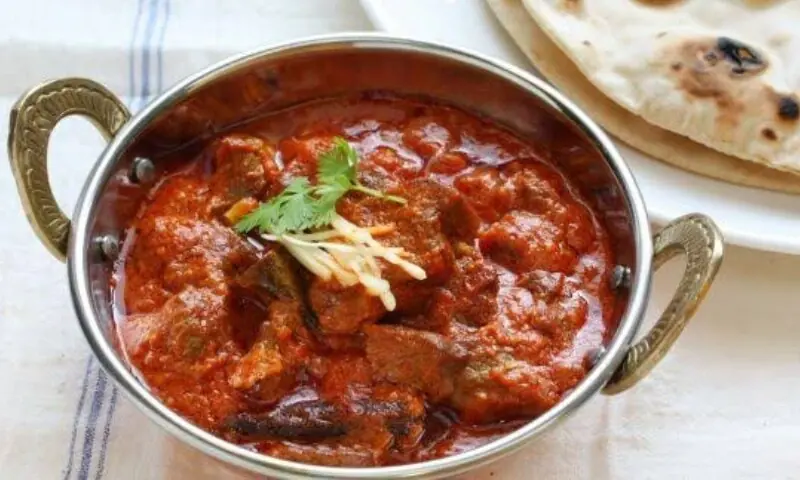
The experts said the human body needs about 70 grams of protein a day, which is naturally available from meat, but recommended a balanced daily intake of 100 to 200 grams. They cautioned that excessive consumption may cause gastrointestinal complications. They also stressed that meat should be cooked thoroughly, noting that undercooked or poorly prepared barbecue items commonly eaten at Eid gatherings can pose health risks.
People were also advised to increase their intake of water, yoghurt, salads and other light foods during the hot spell to stay hydrated and support digestion.
Heart specialist Professor Dr Zaman Sheikh specifically advised people with diabetes and cardiovascular disease to avoid organ meats and fatty foods, including liver, kidneys, brain and trotters, warning that such items may worsen existing conditions.
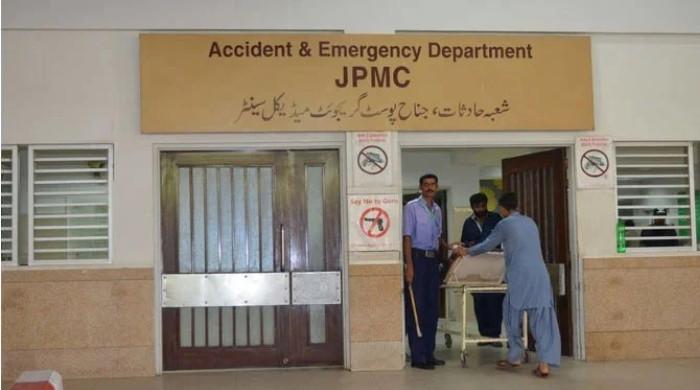
Separately, Jinnah Postgraduate Medical Centre spokesperson Dr Waqas Khan said excessive meat intake during Eid can place extra pressure on the digestive system, particularly in extreme temperatures. He reiterated that while meat is an important source of protein, it should be eaten in moderation, with 100 to 200 grams a day considered appropriate in normal conditions. Dr Khan also underscored the need for proper storage of sacrificial meat, warning that without a consistent electricity supply, prolonged refrigeration may not be enough to keep it safe.
Comments
No comments yet. Be the first to join the discussion!