Karachi hospitals see post-Eid rise in gastroenteritis linked to spoiled meat
Karachi’s major public hospitals have reported a post-Eid jump in gastroenteritis cases, with doctors linking the surge to spoiled meat, overeating, hot weather and power outages. The PMA has also urged caution over heavy meat consumption.

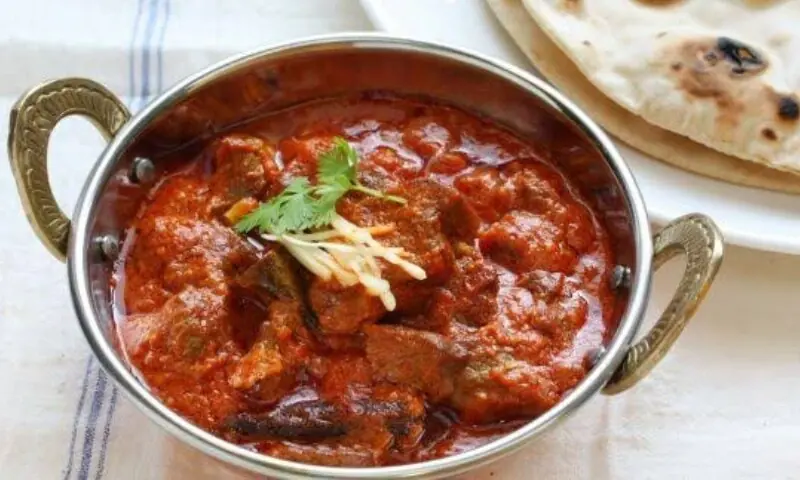
KARACHI: Public hospitals in Karachi have reported a sharp rise in gastroenteritis cases in recent days, with senior doctors linking the increase to spoiled meat, excessive meat consumption and difficulties in safe storage during the Eidul Azha period.
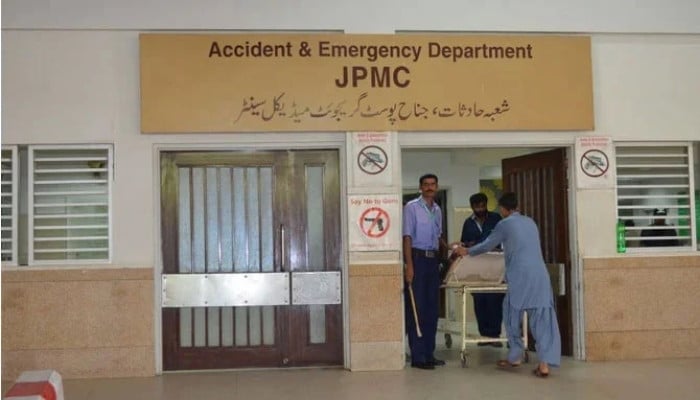
Doctors at Dr Ruth Pfau Civil Hospital Karachi (CHK) and Jinnah Postgraduate Medical Centre (JPMC) told Dawn that emergency departments had handled an unusually high number of patients over the past four days. Their medical histories, they said, pointed to either consumption of spoiled meat or overeating after Eid sacrifices.
Hospitals report growing number of cases
According to Dr Imran Sarwar Sheikh, additional medical superintendent and head of the emergency department at CHK, more than 50 gastroenteritis patients arrived on the first day, followed by over 130 on the second day and more than 100 on the third. By Saturday afternoon, another 25 patients with the same illness had been treated at the hospital.
He said most of the patients were between 35 and 55 years old and had symptoms including diarrhoea, vomiting, abdominal cramps and abdominal discomfort. Some also had fever.
Dr Sheikh said the post-Eid period often brings a rise in gastroenteritis cases associated with the heavy availability of meat. He also stressed that illness was being driven in part by poor preservation practices after slaughter.
Attributing the advice to Dr Sheikh, meat should be collected immediately after slaughter, washed thoroughly, drained, packed in clean plastic bags and kept refrigerated. He also advised people to avoid overeating and include salad, vegetables, yoghurt or lassi in their meals.
Heat and power outages worsen storage problems
Dr Irfan Siddiqui, who heads the emergency department at JPMC, said hot weather and electricity outages had compounded the problem by making it harder for households to preserve meat properly. He said JPMC recorded around 30 cases on the first day, 40 on the second, 45 on the third and 65 on the fourth day, Saturday.
According to Dr Siddiqui, the number of patients rose steadily and the severity of illness also increased over the four-day period. He said patients’ medical histories showed that they had either overeaten or consumed meat that had spoiled.
PMA urges caution over meat-heavy diet
The Pakistan Medical Association has also recently urged the public to be careful about diet and meat intake to avoid preventable health emergencies. In a statement, the association warned that a sudden switch to heavy, meat-based meals could place severe stress on the digestive system.
The PMA said frequent overconsumption of rich, fried and heavily spiced meat dishes could lead to severe diarrhoea and gastroenteritis, acute vomiting and nausea, indigestion, hyperacidity and intense abdominal cramps. It added that such eating habits could also worsen pre-existing conditions in people with hypertension, diabetes, high uric acid levels or heart disease.
Comments
No comments yet. Be the first to join the discussion!