Energy commission urges faster shift to renewables after Hormuz disruption
A new Energy Transitions Commission study says the Hormuz disruption has exposed the risks of fossil fuel dependence and strengthened the case for faster renewable energy deployment. It says Pakistan’s rooftop solar growth helped cushion the shock.


ISLAMABAD: A leading global energy body has called for an accelerated shift towards renewable energy following disruptions linked to the Strait of Hormuz crisis, warning that continued reliance on fossil fuels is exposing economies to increasing geopolitical and price shocks.
The Energy Transitions Commission (ETC), a coalition of energy leaders working toward net-zero emissions by 2050, said recent energy instability has highlighted the structural weaknesses of fossil fuel-based systems compared to more distributed clean energy networks.
Fossil fuel supply chains depend heavily on continuous flows through concentrated global chokepoints, making them highly vulnerable to disruptions that are quickly transmitted into international markets and fuel prices.
“Fossil systems rely on continuous commodity flows through concentrated chokepoints, meaning disruptions are rapidly transmitted through global prices,” the report noted.
In contrast, the commission argued that clean energy systems — while requiring significant upfront capital investment — are far more resilient because their operating costs are not dependent on ongoing fuel imports.
“70–90 per cent clean energy costs are upfront capital costs,” it added, highlighting the structural advantage of renewables in managing long-term energy security.
The report referenced recent findings suggesting that Pakistan’s rapid expansion of rooftop solar systems helped cushion the impact of global energy volatility triggered by Hormuz-related disruptions. It claimed that this shift in energy consumption patterns has already contributed to billions of dollars in avoided fuel import costs since 2020.
The ETC warned that expanding fossil fuel infrastructure could lock countries into long-term exposure to similar shocks in the future, while renewable technologies such as solar power, electric vehicles, and heat pumps could significantly reduce global oil demand over the next decade.
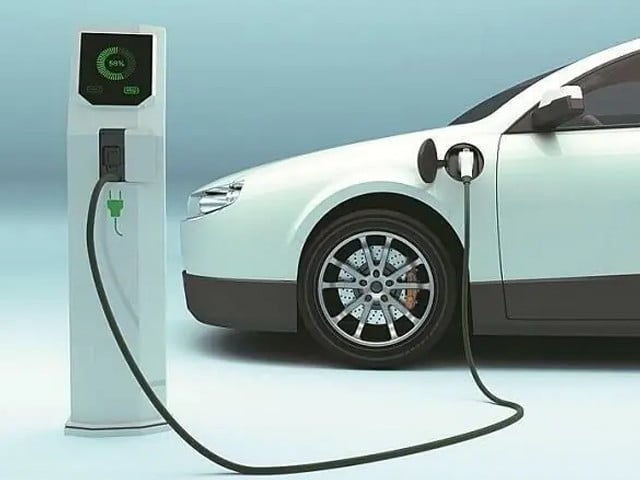
It projected that electric vehicle adoption alone could displace millions of barrels of oil per day by the early 2030s, reducing dependence on vulnerable supply routes such as the Strait of Hormuz.
The report also highlighted the broader economic cost of fossil fuel volatility, estimating that global oil and gas expenditure could rise by $1–2 trillion annually due to price shocks — costs that do not translate into additional energy but reflect higher prices for the same supply.
It compared this figure to the estimated global clean energy investment gap, arguing that redirecting capital toward renewables would not only reduce emissions but also strengthen long-term economic stability.
According to the ETC, accelerating clean energy deployment is now both a climate necessity and a strategic response to energy insecurity.
“The current crisis shows fossil fuel dependence is not only a climate risk, but also an economic and strategic vulnerability,” said Adair Turner, co-chair of the commission.
The report further cited analysis from energy think tank Ember, which found that renewable technologies have now reached sufficient scale and affordability to play a central role in stabilising energy systems during global shocks.
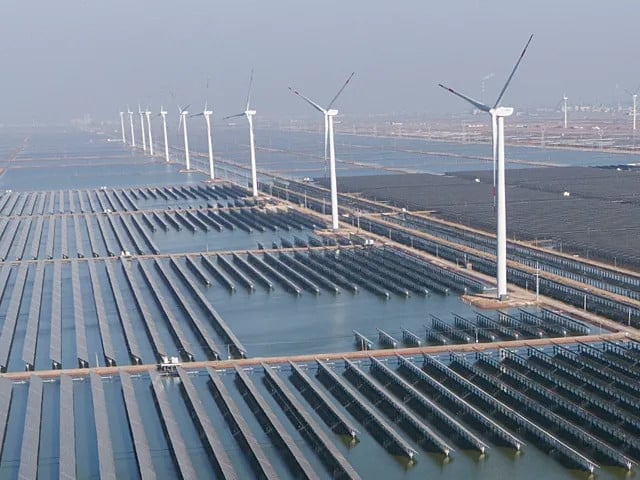
Global renewable capacity is expected to nearly double by 2030, with solar photovoltaic systems accounting for the majority of new installations.
While acknowledging that energy price spikes continue to affect vulnerable populations, the commission urged governments to avoid long-term fossil fuel lock-ins, including new coal capacity and expanded upstream oil and gas investment.
Instead, it called for targeted support for low-income households while maintaining momentum on renewable expansion, energy efficiency, and electrification of transport and heating systems.
The ETC concluded that clean energy systems are more distributed, efficient, and less exposed to geopolitical disruptions — making them essential for future energy security in an increasingly volatile global environment.
Comments
No comments yet. Be the first to join the discussion!