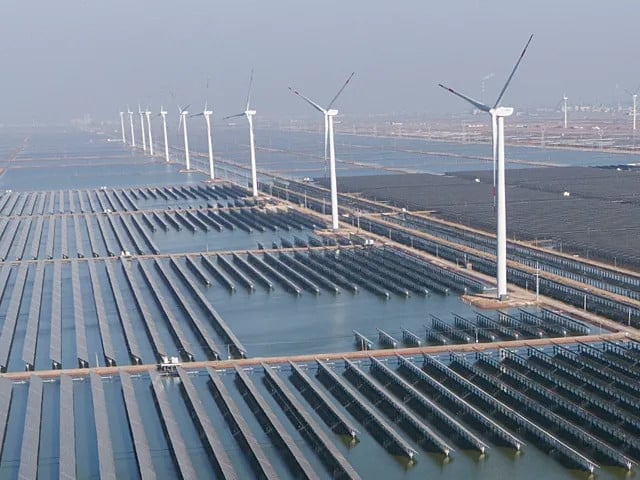
Imported fuel reliance raises energy security concerns
An ICMA report says Pakistan’s dependence on imported oil and LNG is increasing fiscal and energy security risks as domestic gas reserves decline. It says structural reform and faster renewable investment are needed to reduce vulnerability.

ISLAMABAD: Pakistan’s heavy dependence on imported fossil fuels is heightening fiscal pressure and raising concerns about energy security as domestic gas reserves shrink and industrial demand continues to grow, according to a report and SWOT analysis issued by the Institute of Cost and Management Accountants of Pakistan (ICMA).
The country’s energy mix still depends largely on oil, gas and coal, while nuclear power and renewable sources such as hydropower, wind and solar also contribute to electricity generation. It warned that falling indigenous gas reserves and reliance on imported oil and liquefied natural gas are creating challenges for sustainable economic growth, industrial output and urban expansion.
Policy efforts and structural shifts
According to ICMA, successive governments have tried to address these issues through policy measures including Vision 2025 and the Medium-Term Development Framework. The institute said these initiatives were aimed at improving energy efficiency, upgrading infrastructure, encouraging private investment and supporting long-term sustainability in the energy sector.
The analysis said Pakistan’s energy sector has gone through major structural changes between 1947 and 2025, including important gas discoveries, regulatory reforms and greater foreign investment. Current policy direction is centred on structural reform, increased use of local resources and long-term planning to cut dependence on external energy supply chains.
Import dependence and LNG pressures
ICMA said the country’s reliance on imported energy has intensified in recent years because of declining domestic gas production and rising industrial consumption. Since LNG imports started in 2015, consumption dropped from 8.2 million tons in 2021 to an estimated 6.1 million tons by 2025, mainly due to high import prices and the fast expansion of distributed solar generation.
Distributed solar generation in Pakistan reached nearly 34 gigawatts by 2025, while around 50 gigawatts of solar panels were imported between 2017 and 2025, a figure it said was almost equal to the installed capacity of the national grid.
The import-based energy structure has made Pakistan more exposed to global geopolitical tensions, supply chain disruptions and volatility in international prices. The report pointed to imbalances in the LNG sector linked to long-term supply contracts signed when demand projections were higher, adding that this has contributed to rising financial strain and circular debt estimated at Rs1.889 trillion.
Strengths, risks and transition goals
In its SWOT assessment, ICMA identified stable fuel supply infrastructure and existing generation capacity as key strengths. At the same time, it listed excessive dependence on imports, increasing energy costs and financial inefficiencies across the energy chain among the main weaknesses.
The institute said renewable energy expansion and exploration of local resources present important opportunities, but cautioned that global commodity price swings and geopolitical instability remain serious threats to Pakistan’s energy security.
Pakistan’s long-term energy transition plan aims for 60% clean electricity generation by 2030. Even so, fossil fuels are likely to remain an essential transitional part of the energy mix for the foreseeable future. ICMA said improving energy security would require broad structural reforms, better demand management, modernised infrastructure, flexible fuel procurement and faster investment in renewable and indigenous energy resources.
Comments
No comments yet. Be the first to join the discussion!