Pakistan eyes 'good news' from Iranian minister's visit
Pakistan said the visit of Iranian Interior Minister Eskandar Momeni could support regional engagement as fresh US strikes on Iran deepened the conflict. The talks in Islamabad include border security, trade, energy cooperation and the wider regional situation.

ISLAMABAD: Pakistan on Monday expressed hope that the visit of Iranian Interior Minister Eskandar Momeni would help move regional discussions forward, as a renewed round of US strikes on Iran added to tensions across the Middle East.
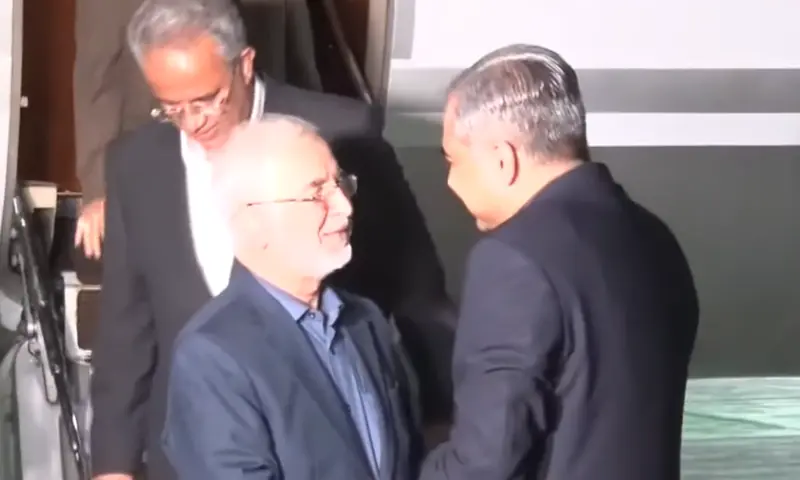
Momeni arrived in Islamabad on an official trip with a senior delegation and was received at Islamabad International Airport by Interior Minister Mohsin Naqvi and Minister of State for Interior Talal Chaudhry. During the welcome, Naqvi referred to the visiting minister as a brother and said he hoped he had come with good news, while also saying the trip could support progress on regional matters and strengthen relations between the two neighbours.
Momeni is due to meet Prime Minister Shehbaz Sharif, Field Marshal Syed Asim Munir and other senior Pakistani officials. The discussions are expected to cover bilateral ties, border management, trade, energy cooperation and the changing regional situation.
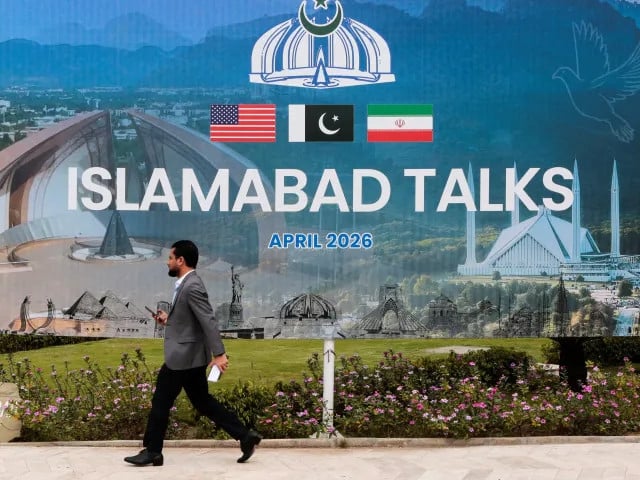
Talks in Islamabad
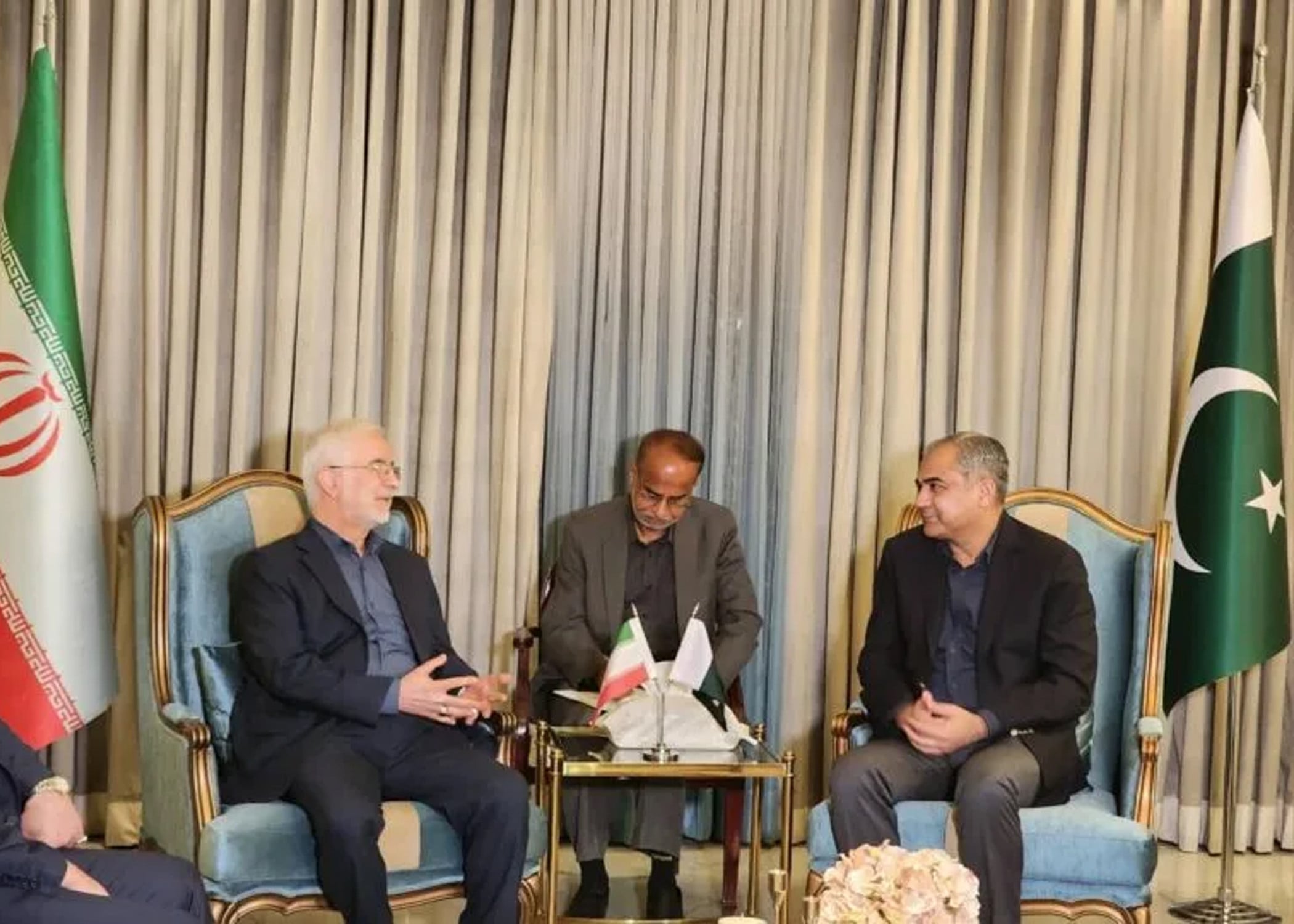
During formal meetings, both sides reiterated the long-standing relationship between Pakistan and Iran. Naqvi said the visit would broaden cooperation between the two countries and expressed confidence that high-level contacts would help in dealing with common challenges and in promoting stability in the region.
Momeni described ties between Pakistan and Iran as exceptional and said they were based on trust and a shared past. He also thanked Pakistan for its hospitality and said he was pleased to meet Naqvi again.
The Iranian side is also accompanied by the governor-general of Sistan and Baluchestan Province, Iran’s deputy interior minister, the deputy minister for urban development and transport, the head of the National Iranian Oil Company, the special representative of the Iranian minister of agriculture and other senior officials.
Conflict widens across the region
The diplomatic engagement in Islamabad comes as fighting between the United States and Iran has intensified after a short-lived ceasefire earlier this month. US Central Command announced in the early hours of Tuesday that another wave of strikes on Iran had begun.
The latest escalation followed one of the deadliest phases for American forces since the war started in February, with the number of US troops killed in the conflict rising to 17 over the weekend. Reuters reported that before the latest deadly attack, Washington had already started moving more military aircraft, including fighter jets and refuelling tankers, into the region.
Reacting to the deaths of American troops, US President Donald Trump said Tehran would face a heavy response. He said, "every time Iran kills an American Soldier they will pay for that killing many times over."
Trump added that instructions had been conveyed to Secretary of War Pete Hegseth, Chairman of the Joint Chiefs of Staff Daniel Caine and military leaders. The Pentagon said around 430 US troops had been wounded since the war began, including 100 since July 7, and stated that 96 per cent had returned to duty. The White House also said Trump would attend the dignified transfer at Dover Air Force Base for those killed over the weekend.
Iranian response and attacks beyond Iran
Iranian President Masoud Pezeshkian said on Monday that his country was engaged in a full-scale war with the United States.
"The reality is that today the Islamic Republic of Iran is engaged in a full-scale war," he said, adding: "We must be realistic and accept the natural consequences of this resistance."
His remarks came after Iranian state media and local authorities reported further US strikes on Monday in northern and central parts of the country, reaching farther inland than areas near the Strait of Hormuz. The targeted provinces contained military bases and air defence systems. In Bushehr, where Iran’s only functioning civilian nuclear power plant is located, the state news agency said several places were struck. In East Azarbaijan, IRNA reported that one person was killed and several others were injured.
Despite the attacks, Iranian foreign ministry spokesman Esmaeil Baghaei said contacts with the United States through mediators were still under way.
"Ideas have been conveyed to us by certain mediators," he told a press conference in Tehran attended by AFP.
At sea, sailors left a vessel after it caught fire in an attack in the Strait of Hormuz. Earlier, the Revolutionary Guards said two oil tankers trying to pass through the waterway exploded and were halted. Baghaei said Tehran would not allow the strait to be used by its opponents.
The Revolutionary Guards also said they had carried out overnight strikes on targets in Syria, Jordan and Kuwait. They said Iranian forces attacked what they called the enemy special operations command centre in Syria’s Al-Tanf region, hit US military aircraft at Aqaba Airport in Jordan with ballistic missiles, and destroyed an American early-warning radar system in Kuwait. Kuwait’s military said its air defences were engaging hostile drone attacks after what it described as Iranian aggression. Bahrain’s interior ministry said air raid sirens had sounded and told citizens and residents to move to the nearest safe place.
Separately, the Saudi-led coalition in Yemen said it would answer Houthi threats to shipping through the Bab el-Mandeb Strait with force and vowed to protect commercial traffic using the Red Sea route. The Houthis, who control northern Yemen, had earlier blocked the internationally recognised government from exporting oil, while Saudi Arabia’s foreign ministry condemned the maritime embargo imposed by the group on the kingdom.
Comments
No comments yet. Be the first to join the discussion!