June 15, 2026
Energy shock reignites drive for solar and EVs
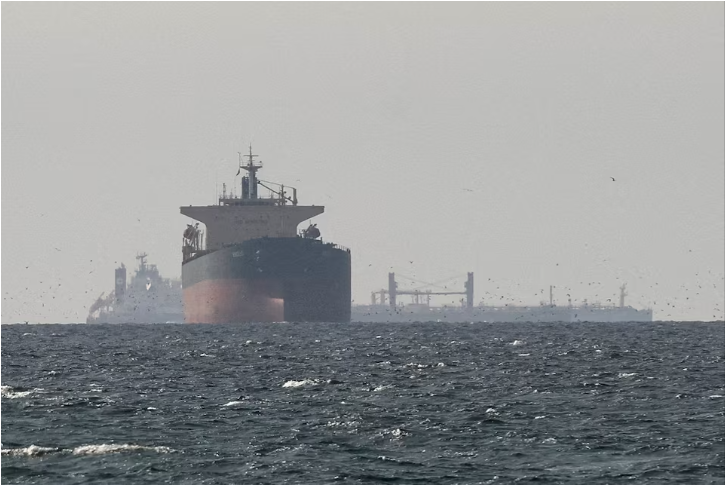
Rising fuel prices and tensions around the Strait of Hormuz are increasing pressure on Pakistan’s economy and household budgets. The trend is also accelerating interest in rooftop solar systems and electric vehicles as alternatives to imported fuels.

June 15, 2026
ISLAMABAD: Higher fuel prices and tensions around the Strait of Hormuz are again exposing Pakistan’s dependence on imported energy, as households, businesses and industry participants increasingly look to solar power and electric vehicles to manage costs and reduce exposure to external shocks.
According to the Pakistan Bureau of Statistics, headline inflation stood at 11.7% year-on-year in May 2026, the highest reading since June 2024. The latest increase in fuel prices has added to concerns about inflation, pressure on foreign exchange reserves and broader energy security at a time when Pakistan is trying to preserve recent economic stabilisation and pursue faster growth in the coming fiscal year.
Impact on households
The effects of higher fuel costs are being felt beyond petrol pumps, with transport, utilities and daily essentials becoming harder to afford for many families. Jabbar Khan, a father of nine, described how household budgets have come under strain as prices have risen across the board.
"When petrol becomes expensive, everything becomes expensive,"
He also said that where a family could once purchase kitchen supplies for Rs12,000 to Rs15,000, spending Rs15,000 to Rs20,000 now brings home far less. Saleem Abdullah said transport now consumes a growing share of his daily wages, making it difficult even to cover basic meals. Musa Khan, a painter in Islamabad earning around Rs25,000 a month, said he struggles to decide whether to pay electricity and gas bills or meet other household needs.
Research by the Pakistan Institute of Development Economics says the effect spreads throughout the economy, as higher fuel prices raise transport and distribution costs, lift production expenses and feed into the prices of food, consumer goods and essential services.
Why the economy is exposed
Muhammad Faran Khan, associate director at KTrade Securities, said the latest episode underlines Pakistan’s heavy reliance on imported fossil fuels.
"Pakistan remains heavily dependent on imported fossil fuels. Roughly 80% to 85% of our energy imports come from the Gulf region and traverse the Strait of Hormuz,"
He said higher energy prices have already pushed up the import bill and increased pressure on foreign exchange reserves, while more expensive transport, housing and food continue to weaken household purchasing power. Pakistan’s energy mix remains dominated by fossil fuels, while domestic oil and gas output has declined over the past decade. It also pointed to circular debt, limited strategic fuel reserves and infrastructure inefficiencies as persistent weaknesses in the sector.
Khan said short-term steps may ease immediate price pressure, but argued that lasting resilience would require a gradual move away from imported fuels in favour of domestic and renewable energy sources.
Solar gains momentum
Rising costs are also speeding up the search for alternatives. Pakistan has become one of the world’s fastest-growing solar markets in recent years, with lower equipment prices encouraging homes, farms and businesses to install rooftop systems to reduce power bills and improve reliability. The expansion has been aided largely by the fall in solar panel prices driven by China’s dominant position in global solar manufacturing, with Chinese-made photovoltaic modules accounting for most of Pakistan’s solar imports.
According to an assessment by the Institute for Energy Economics and Financial Analysis, this consumer-led shift has reached a significant scale, with rooftop solar now making up a quarter of Pakistan’s electricity supply. Khan said wider use of solar, wind and hydropower could help reduce the country’s vulnerability to global energy market swings and improve long-term energy security.
Among consumers, support for solar appears to be strengthening. Aslam Shah said self-generated electricity is becoming more attractive as grid power remains unreliable and utility bills continue to rise.
Faizan Obaid, an event planner in Islamabad, said transport, logistics and electricity are among the biggest costs for businesses and that renewable energy offers a more predictable option.
Interest in electric mobility
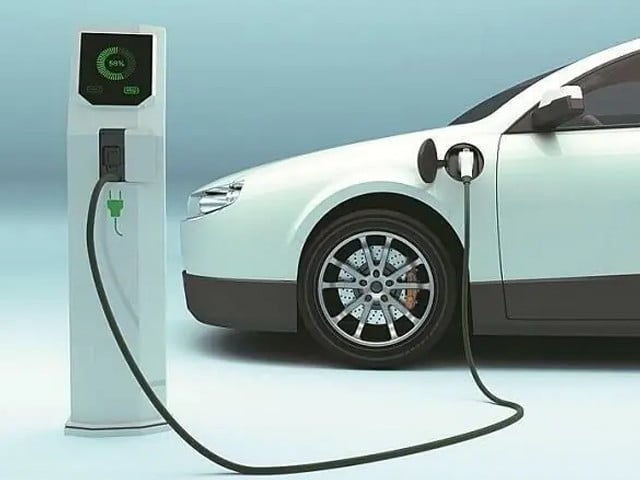
The same cost pressures are influencing vehicle choices. Muhammad Aurangzeb, an Islamabad-based auto electrician who works on hybrid and electric vehicles, recently converted a Suzuki Mehran into a fully electric car that he said can travel more than 220 kilometres on a single charge.
"With petrol becoming so expensive, EVs are now the only practical alternative for many people,"
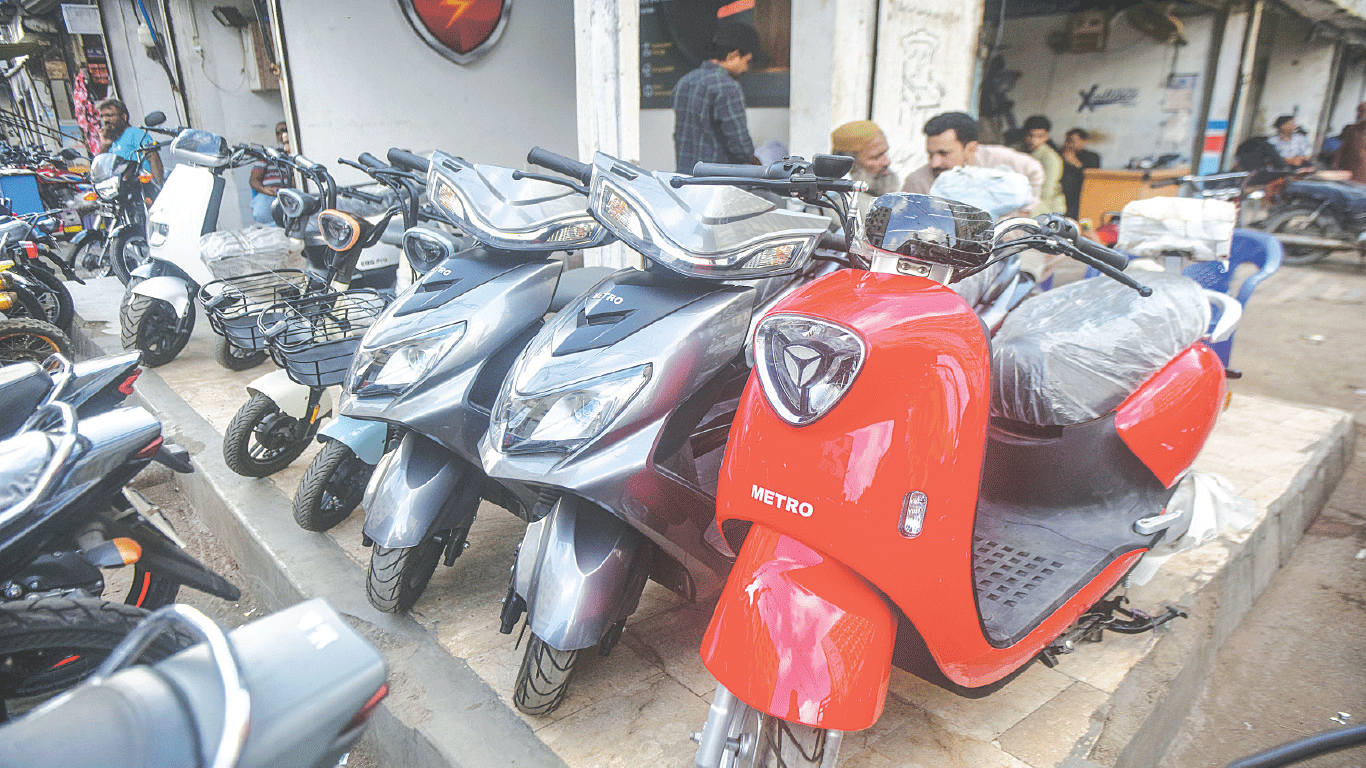
Aurangzeb said public interest in electric mobility has grown with fuel prices, and added that adoption could pick up further if local manufacturing expands and prices become more affordable. Shakeel Ahmad, a mechanic in Islamabad with more than two decades of experience, said customer demand has shifted noticeably over the past year.
Analysts see expanding cooperation with China as a possible driver of Pakistan’s electric vehicle transition, with Chinese automakers and battery firms increasing their presence through assembly ventures, technology partnerships and component investments. Khan said such cooperation could strengthen domestic industry while reducing reliance on imported fossil fuels.
Recent activity in electric vehicles, batteries, industrial manufacturing and energy infrastructure is increasingly being viewed as part of a broader effort to support Pakistan’s economic transformation. Aurangzeb said greater collaboration with Chinese companies could make EVs cheaper for ordinary buyers, while Ahmad said local production would support employment and strengthen Pakistan’s industrial base.
0 Comments
No comments yet. Be the first to join the discussion!