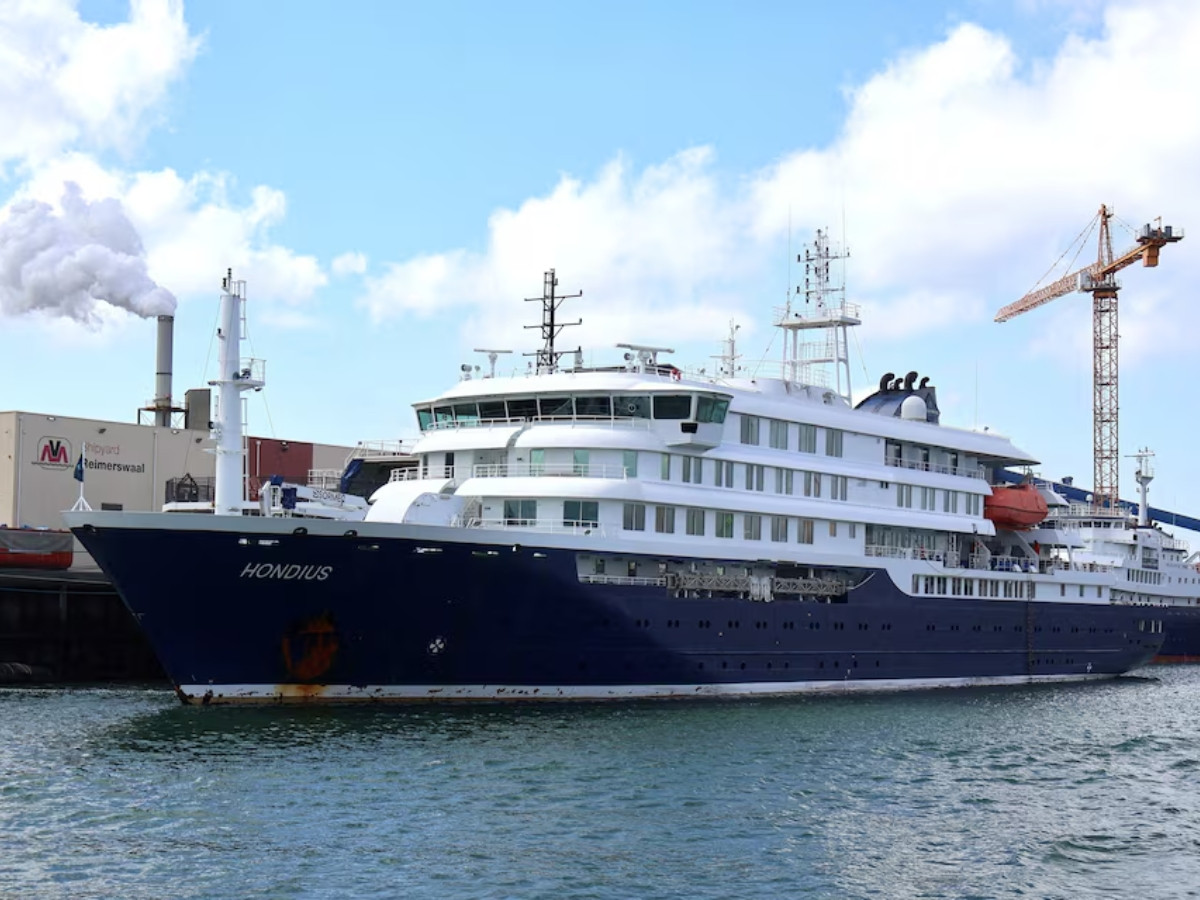
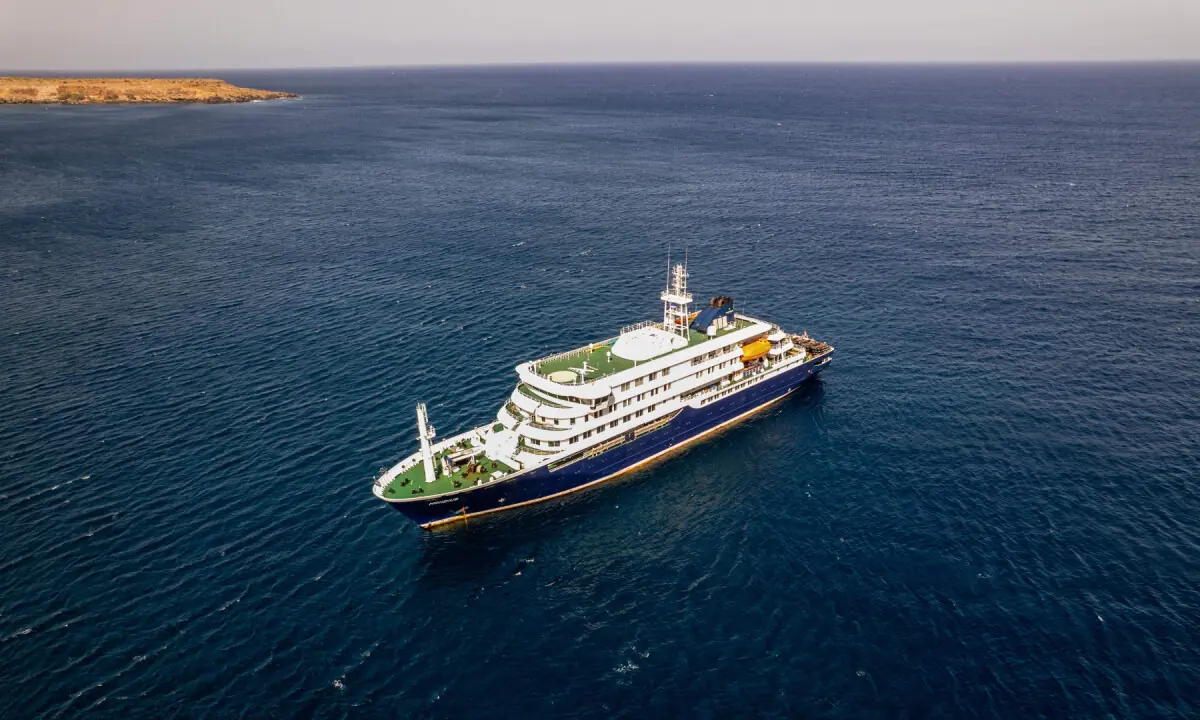
Hantavirus outbreak revives Covid-era fears and tests public health messaging
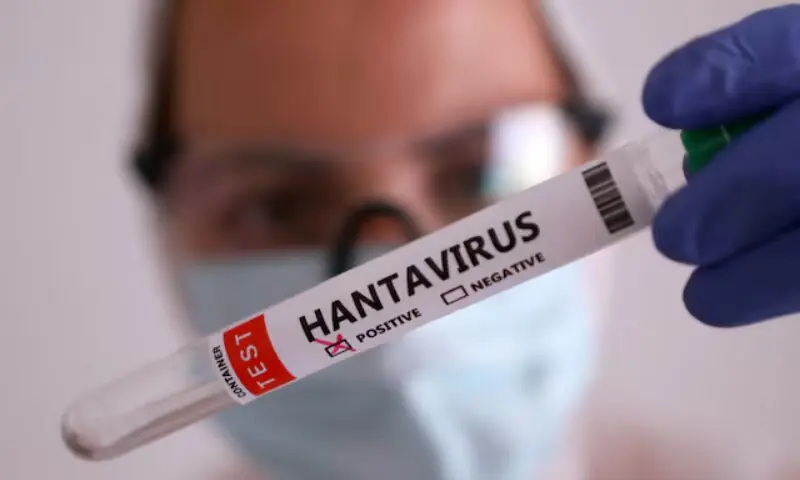
A hantavirus outbreak linked to the MV Hondius has revived Covid-era fears online as health officials work to explain that the public risk remains low. Authorities say the episode is testing how well lessons from pandemic-era communication have been learned.

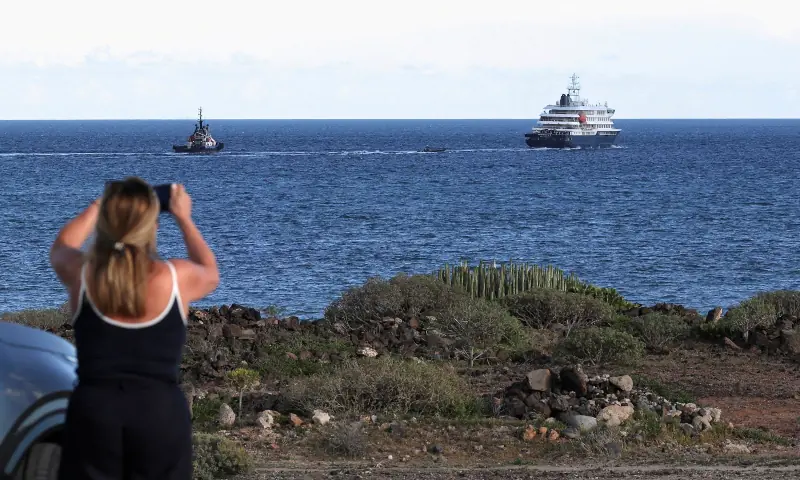
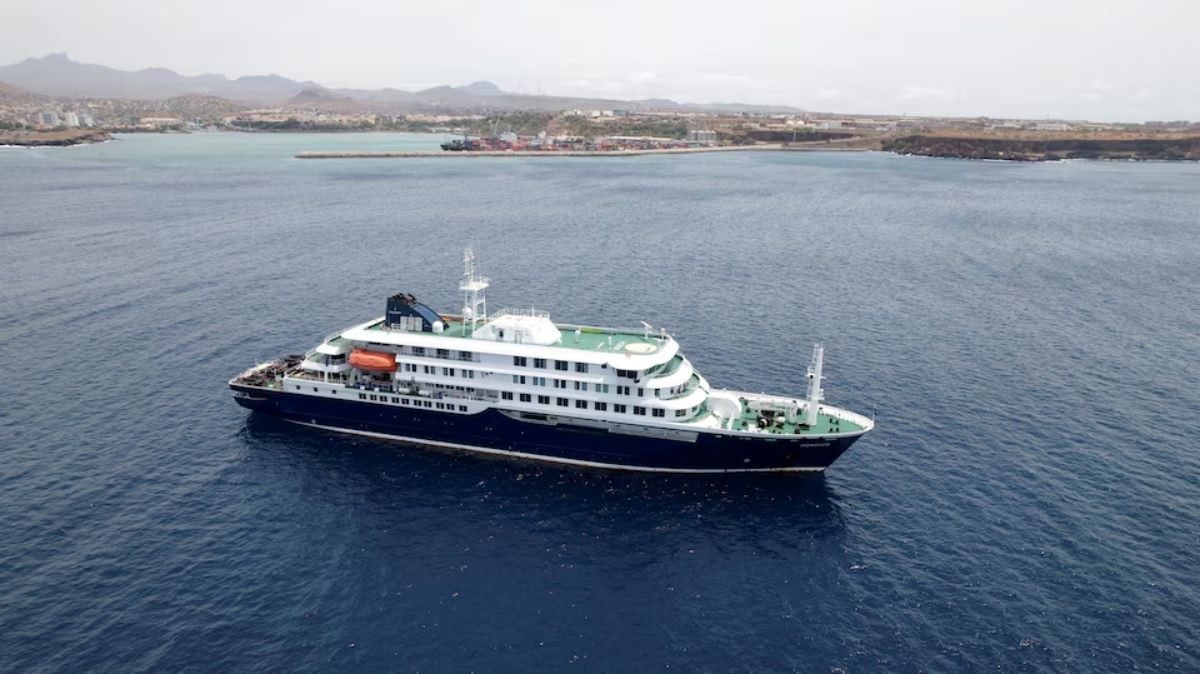
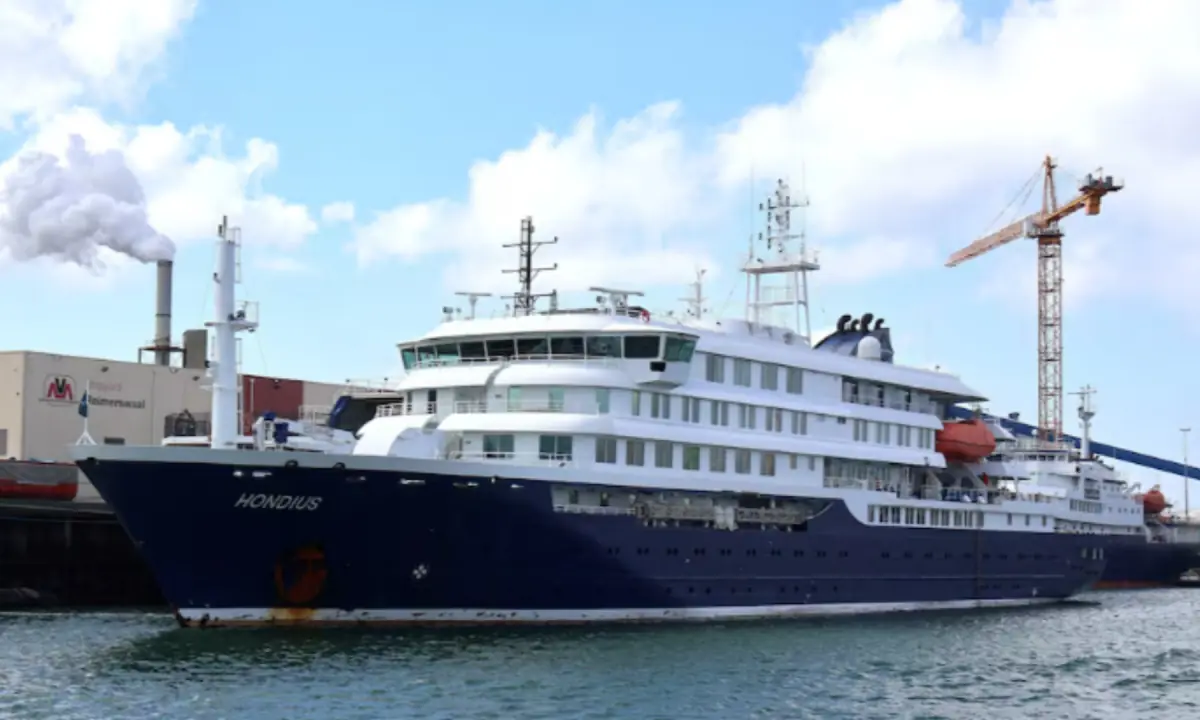
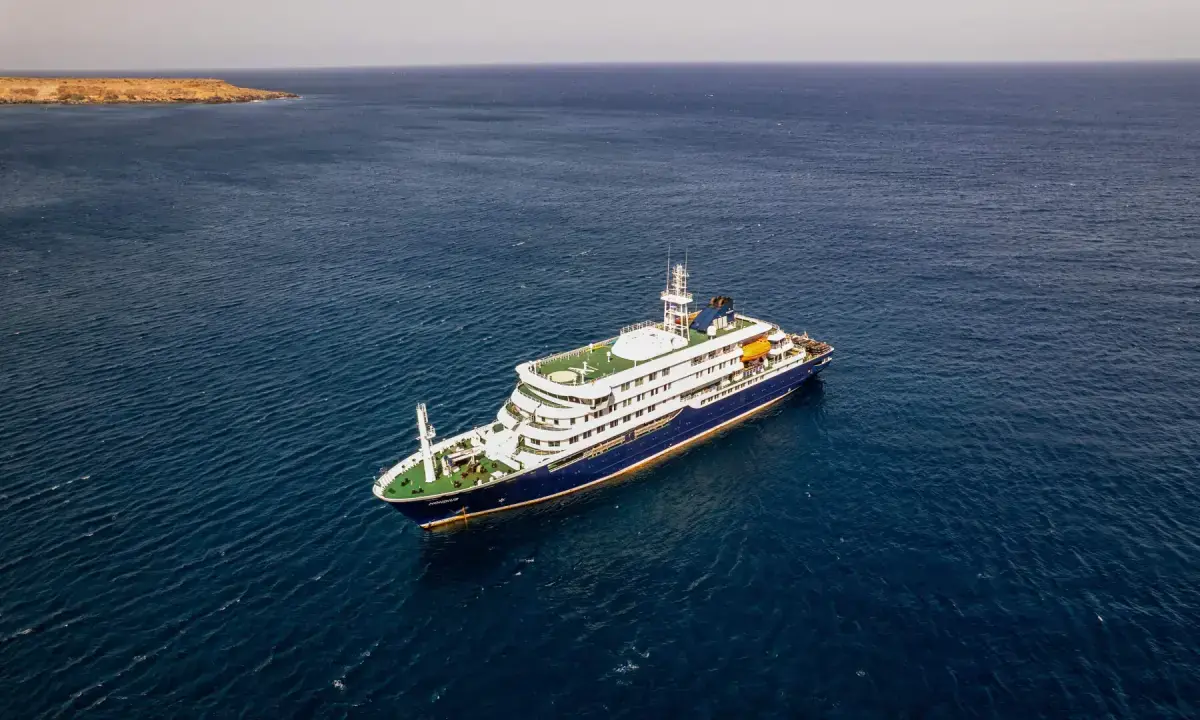
LONDON: A hantavirus outbreak linked to the MV Hondius cruise ship in the Atlantic has stirred memories of the Covid-19 pandemic and posed a fresh communication challenge for health authorities trying to inform the public without fuelling panic.
The outbreak involves the Andes strain of hantavirus, a rodent-borne virus that officials say is not new and is unlikely to trigger a pandemic, though some uncertainties remain. In interviews with Reuters, health officials said they were trying to apply lessons from Covid by communicating more quickly, clearly and empathetically while also addressing misinformation and acknowledging what is still unknown.
Gianfranco Spiteri, emergencies lead at the European Centre for Disease Prevention and Control, said communication had become a central part of the response.
We spend half of our time discussing how we will communicate.
There are people who say we are overdoing it, and on the other extreme, that were not doing enough.he said.
We always base our messages on the evidence we have.
The outbreak has prompted concern online, with some social media users expressing fears about a return to lockdowns, mask mandates and social distancing. Gustavo Palacios, a professor at the Icahn School of Medicine at Mount Sinai and a hantavirus specialist originally from Argentina, said the reaction showed how public perceptions had shifted since Covid.
We have kind of lost perspective.
Some online posts have falsely portrayed hantavirus as a greater threat than Covid or promoted ivermectin, vitamin D and zinc as protective measures despite a lack of scientific evidence. Conspiracy theories have also circulated, including claims that the virus is linked to the Pfizer vaccine or that the outbreak is a hoax designed to increase pharmaceutical profits.
Officials stress low public risk
Sander van der Linden, a psychology professor at the University of Cambridge who studies misinformation, said the public needed more help in understanding and processing outbreak-related information.
We need to do more preparatory work to create resilience in the population.
As of Thursday, the outbreak had resulted in 11 reported cases and three deaths, all involving people who had been on board the Hondius. Dozens of other passengers were being monitored as they returned to about 20 countries.
Officials said there are established ways to control the spread of hantavirus, unlike the early stages of Covid. They also said the Andes strain has circulated for decades in parts of Argentina and Chile, and samples taken from the ship showed no meaningful variation from that virus.
Gabby Stern, who served as the World Health Organisation’s head of communications until September last year, said there had been progress in how public health agencies were responding, especially in sharing information promptly.
I’m definitely seeing improvements.
It seems like the public health community has absorbed crucial lessons, although not all of them.
WHO moved quickly after outbreak was disclosed
The WHO began regular press briefings, issued alerts and used social media question-and-answer sessions to counter misinformation after the outbreak was disclosed on May 3. WHO Director-General Dr Tedros Adhanom Ghebreyesus also issued an open letter to the people of Tenerife, where the Hondius docked on Sunday.
In that letter, he wrote, "But I need you to hear me clearly: this is not another Covid, and added, The current public health risk from hantavirus remains low. My colleagues and I have said this unequivocally, and I will say it again to you now."
Some agencies were slower to respond. The US Centers for Disease Control and Prevention issued its first public information on May 8, five days after news of the outbreak emerged, though it later stepped up its communications.
Michael Osterholm, an infectious diseases expert at the University of Minnesota, said the episode underscored the importance of public messaging.
One of the things this is teaching us is a lesson we should have learned from Covid: what we say is really important.he said.
The cruise ship setting has also intensified public anxiety because of comparisons with the Diamond Princess, which was quarantined off Japan early in the Covid pandemic in 2020. In that outbreak, 14 people died and nearly a quarter of the 3,000 passengers and crew were infected.
Krutika Kuppalli, associate professor of medicine at the University of Texas Southwestern Medical Centre, said the similarities had triggered strong memories.
The whole cruise ship thing is a very significant memory from the beginning of Covid.she said.
There’s an emotional reaction that is stirring people.
That reaction was also felt in Tenerife. Laura Milln, 40, said seeing Tedros arrive on the island alongside Spanish officials as passengers disembarked under strict infection-control measures reminded her of the pandemic.
It gave me the impression that this isn’t just the flu, otherwise all these people wouldn’t be coming.she said, while adding that their presence also helped ensure the proper steps were being taken.
Comments
No comments yet. Be the first to join the discussion!