June 19, 2026
What the world learned from the hantavirus cruise ship scare
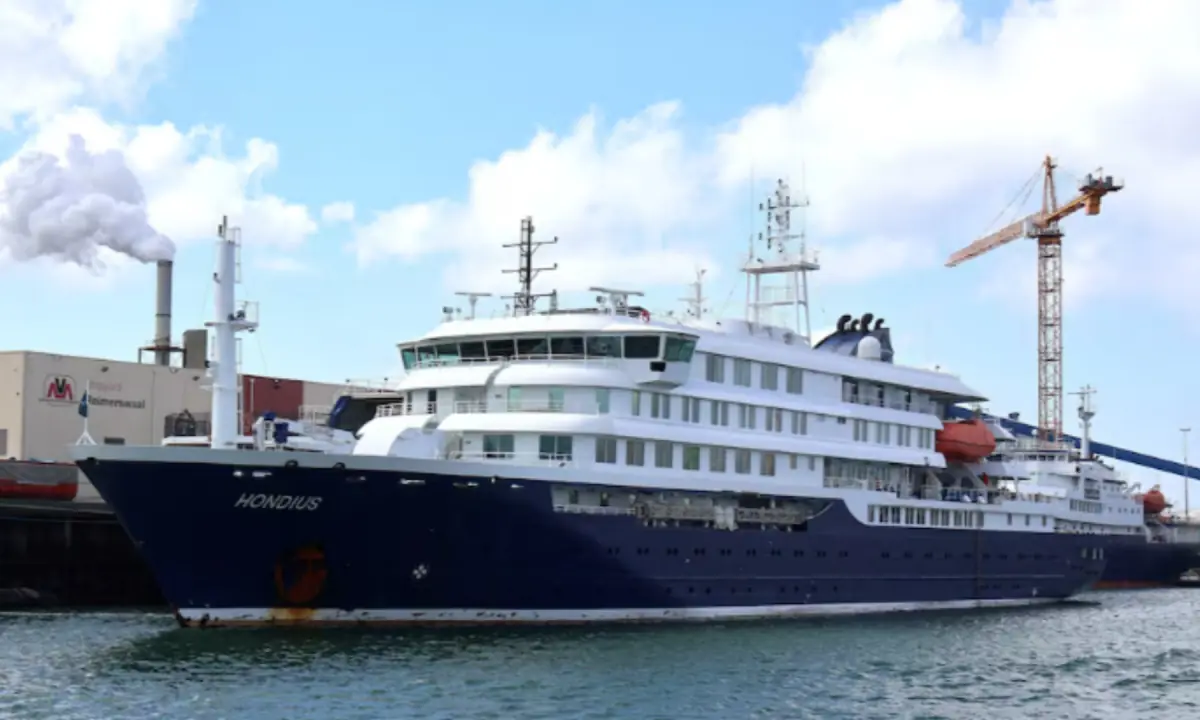
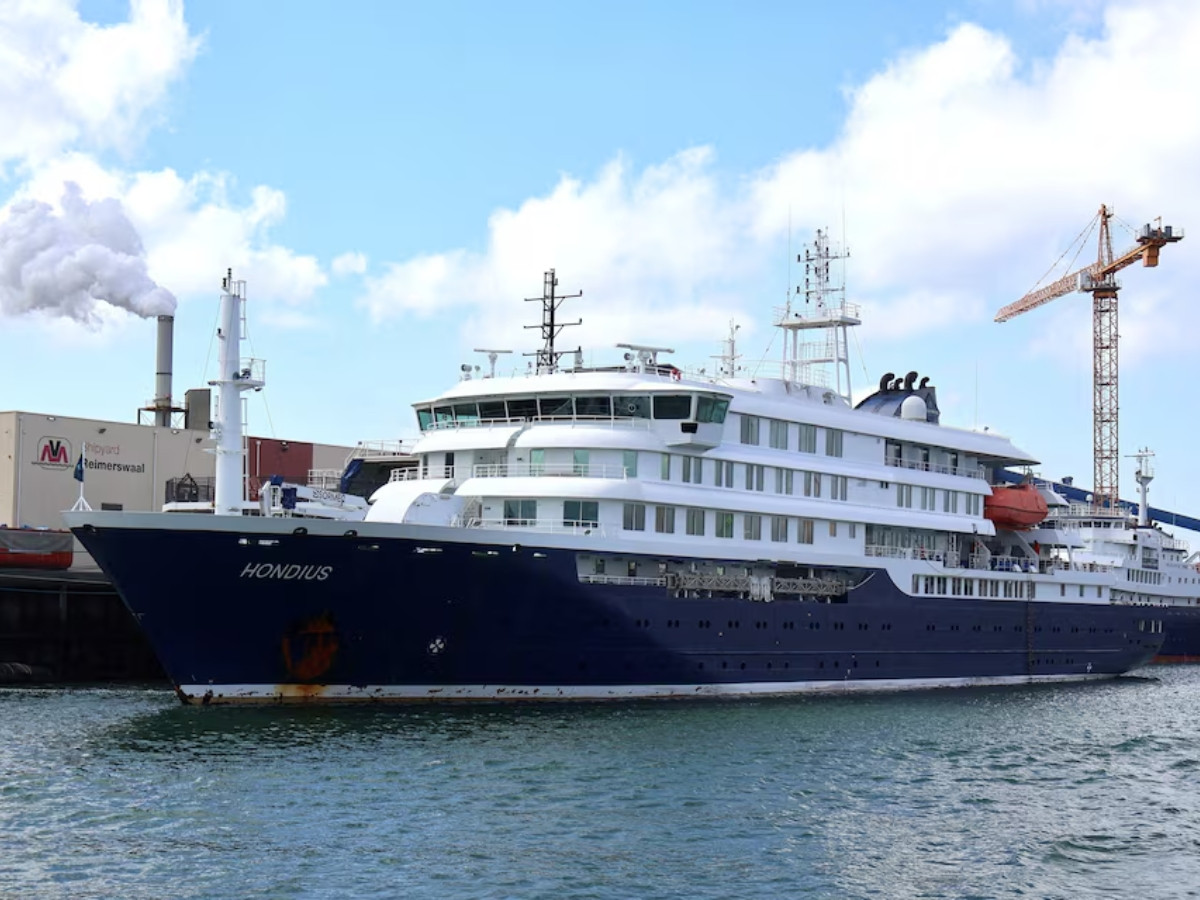
The hantavirus outbreak linked to the MV Hondius appears to be ending after no new cases were reported for more than three weeks. Health experts say the incident highlighted both the low but real risk of human transmission and how much remains unknown about the virus.

June 19, 2026

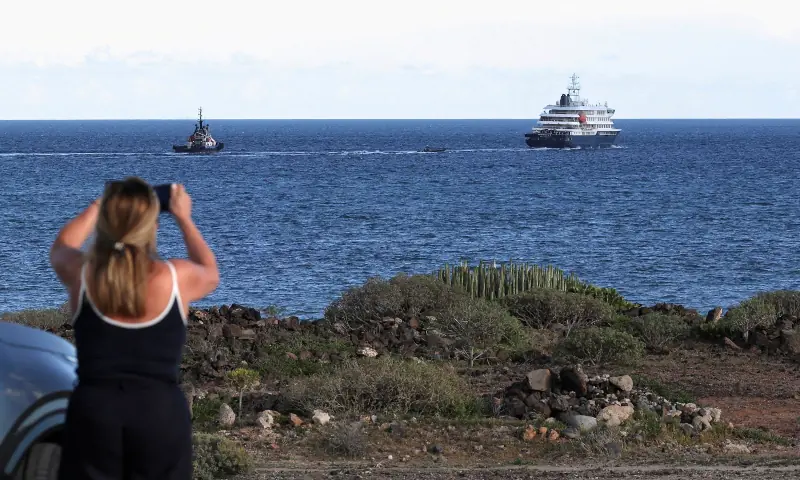
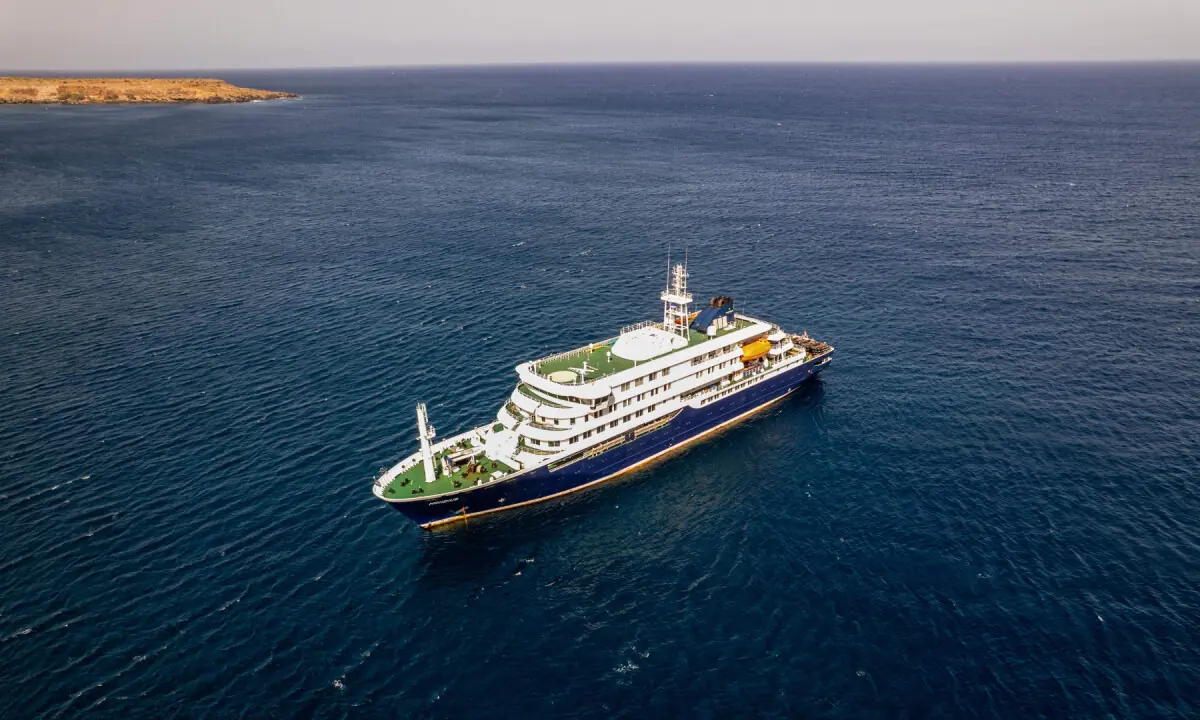
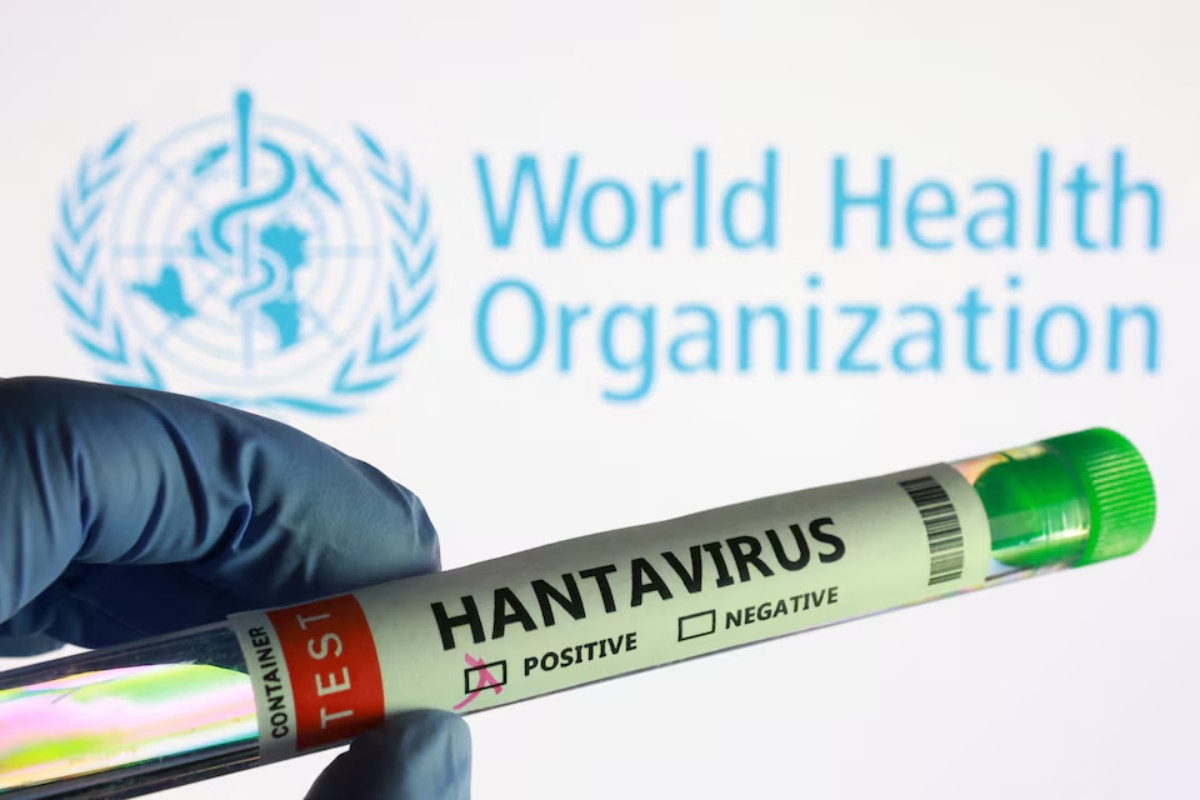
Capital City: The hantavirus outbreak linked to the cruise ship MV Hondius is nearing its end, with the last remaining passengers in quarantine set to be released in the coming days, according to the World Health Organisation and national health authorities. The scare began in early May after three people who had been on board the vessel died, triggering international concern that passengers from multiple countries could carry the rodent-borne virus home and spread it further.
So far, no additional deaths have been recorded, and all 12 confirmed hantavirus infections were among passengers from the ship. One further case was regarded as probable. Governments in several countries placed passengers and close contacts in quarantine or isolation for the virus’s six-week incubation period, although the strictness of the response differed from country to country.
Quarantine measures are ending
The WHO said on Thursday that nearly all passengers quarantined in the Netherlands had been cleared to return home. In France, four people being held in a hospital were due to be released on Sunday. French health authorities said a fifth passenger, who became seriously ill, would remain in intensive care, though her condition had improved. In Australia, six passengers are scheduled to leave quarantine on Tuesday.
There have been no fresh cases for more than three weeks. Nicole Tischler, president of the International Society of Hantaviruses, said the outbreak now appears to have run its course.
"The episode can likely be considered over,"
Tischler told AFP this assessment was based on the fact that the virus’s incubation period has now passed.
Why the outbreak drew global attention
The number of infections linked to the ship was small compared with the tens of thousands of hantavirus cases recorded around the world each year. However, those infections usually happen when people are exposed to rodents at close range. What made this incident notable was evidence of person-to-person transmission.
The Andes strain involved in the cruise ship outbreak is the only type of hantavirus known to spread between humans, and such outbreaks have been documented only rarely. That raised concerns that the nearly 150 people on board could seed infections after returning to their home countries. That did not happen, and the only apparent human-to-human transmission took place within the confined environment of the ship.
French infectious disease specialist Xavier Lescure said the circumstances on board helped the virus spread more easily than it otherwise might have.
"The conditions were really an accelerator for virus particles,"
Speaking at a press briefing on Thursday, Lescure said the episode showed that the risk of hantavirus transmission between people remains low. He also said the cases seen in the outbreak did not present any unusual features when compared with infections that are regularly reported in parts of the Americas.
Questions that remain unanswered
The outbreak has also exposed major gaps in scientific understanding of the virus, for which there is no treatment. Tischler said the incident underscored uncertainty over the timing of infectiousness, including whether spread occurs only after symptoms begin or could start in the days before that.
She also said she hoped more could be learned about the interactions between infected passengers on board. A key unresolved question is how the first person contracted the virus. Initial thinking had been that one passenger became infected while travelling in areas of Argentina where the disease is endemic. But Argentina’s health ministry said last week that an investigation in a second province had not found any rodents carrying the virus.
Different countries took different approaches
The global response was shaped in part by lingering memories of the Covid-19 pandemic. Some countries imposed strict six-week quarantine rules on passengers and contacts, while others adopted less restrictive measures. The United Kingdom, for example, allowed passengers to isolate at home.
Some of those subjected to compulsory quarantine criticised the restrictions. In the United States, passenger Angela Perryman told CNN this week that she felt like a hostage after Health Secretary Robert F. Kennedy overruled an expert recommendation that she be released.
The episode has also renewed attention on zoonotic diseases, which pass from animals to humans. These include Covid and mpox, as well as mosquito-borne diseases such as malaria, chikungunya and dengue.
0 Comments
No comments yet. Be the first to join the discussion!