

May 8, 2026
Punjab domestic workers remain exposed as law stays largely unenforced
Domestic workers in Punjab remain vulnerable to exploitation despite the 2019 law, which officials and activists say has not been fully implemented. Women and children make up a large share of the sector, with labour groups demanding wages, social security and legal protection.

May 8, 2026
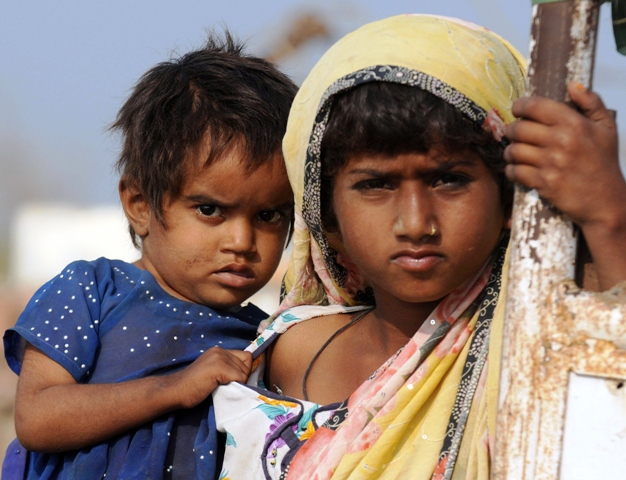
LAHORE: Domestic workers in Punjab continue to face exploitation, weak legal protection and poor enforcement of labour rights despite the passage of the Domestic Workers Act in 2019, according to officials, labour representatives and activists.
The issue has come into focus as Pakistan marks International Domestic Workers Day in June, a day observed to highlight the rights of people employed in domestic work. According to available data cited in the report, more than 10 million domestic workers, including children, remain vulnerable to abuse, exploitation and the absence of effective legal safeguards because the law has not been fully implemented.
The figures show Lahore Division has the largest number of domestic workers, with more than 4 million. It is followed by Rawalpindi with 1.6 million, Faisalabad with 1.4 million, Gujranwala with 1.2 million, Multan with 700,000, Sargodha with 500,000, and Sahiwal and DG Khan with around 200,000 each. Most of these workers are women and children, many of whom move from rural areas, while girls account for a significant share of child labour in the sector.
Concerns over law and enforcement
The law contains internal inconsistencies, including a minimum working age of 15 years, which conflicts with constitutional provisions. It also provides only six weeks of maternity leave, compared with 90 days available under other laws.
Dispute resolution committees were proposed at the Union Council level, but they have not become operational because of the absence of a local government system. Although rules of business have been prepared, they are not being enforced.
Civil society activist Amna Malik said discussion around the law has grown, but implementation remains absent.
Pakistan has ratified ILO Convention 189, which obligates the country to protect domestic workers. Most workers are uneducated women and girls, making them highly vulnerable. The sector remains undocumented, wages are paid in cash, and minimum wage laws are rarely enforced.
Malik said.
Syeda Farah Hashmi, who heads an NGO, said women’s economic contribution should be formally recognised and skill development programmes should be introduced. Referring to countries such as the Philippines, she called for structured training for domestic workers. She also identified child labour and the absence of social security as major issues, and called for a dedicated fund as well as enforcement of the Rs40,000 minimum wage.
Workers recount abuse and insecurity
Shahnaz Ajmal, president of the Women Domestic Workers Union in Punjab, shared her own experience of abuse and exploitation and said she now works to organise workers and inform them of their rights. She highlighted gender-based wage discrimination and demanded social security cards, inclusion in the Benazir Income Support Programme and implementation of minimum wages.
Domestic workers Sajida Khatoon and Sakina Bibi said they had spent years working without receiving their rights.
NGOs often conduct symbolic activities without real impact. We face salary deductions for leave and receive no medical support.
the two women said, while urging the government to provide financial assistance.
Officials acknowledge gaps
Director General Labour Punjab Syeda Kulsume Hai said the law had been drafted in haste and still contained gaps. She said enforcement was difficult, particularly because domestic work takes place inside private homes, and added that rules of business had yet to be finalised.
Amendments are being proposed, including raising the minimum working age to 16. Plans are also underway for child labour rehabilitation centres offering education, healthcare, and vocational training. Registration drives and digital systems are being developed to improve monitoring.
Hai said.
Punjab Social Security Director Rashid Badar said domestic work falls within the informal economy and there is no clear funding mechanism for extending social security coverage. He said benefits could not be provided without government backing or contribution arrangements, and also pointed to staff shortages and difficulties in inspecting households.
Union leader Shazia Saeed said that although legislation exists, the mechanisms needed to implement it are still missing.
Workers continue to face low wages, no leave, job insecurity, and a lack of healthcare and education for their children.
Saeed said, urging domestic workers to organise and press for equal rights, social security coverage and protection from harassment.
1 Comment
No comments yet. Be the first to join the discussion!


