Oil prices rise as US-Iran fighting tests Hormuz ceasefire
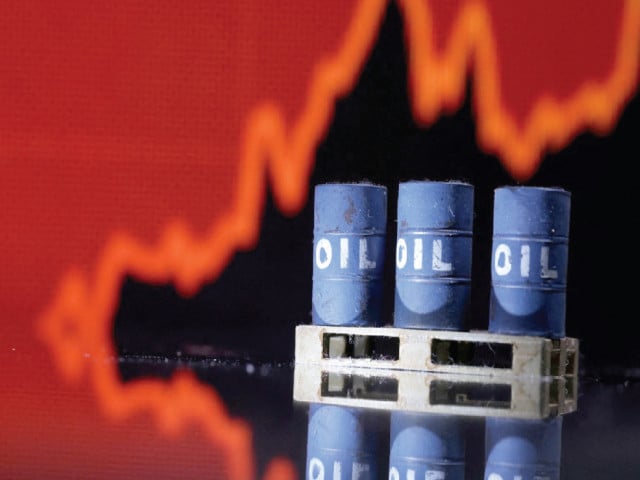
Oil prices rose about 1% after renewed US-Iran fighting raised concerns over the fragile ceasefire and the Strait of Hormuz. Brent climbed to $101.26 a barrel and WTI to $95.66.

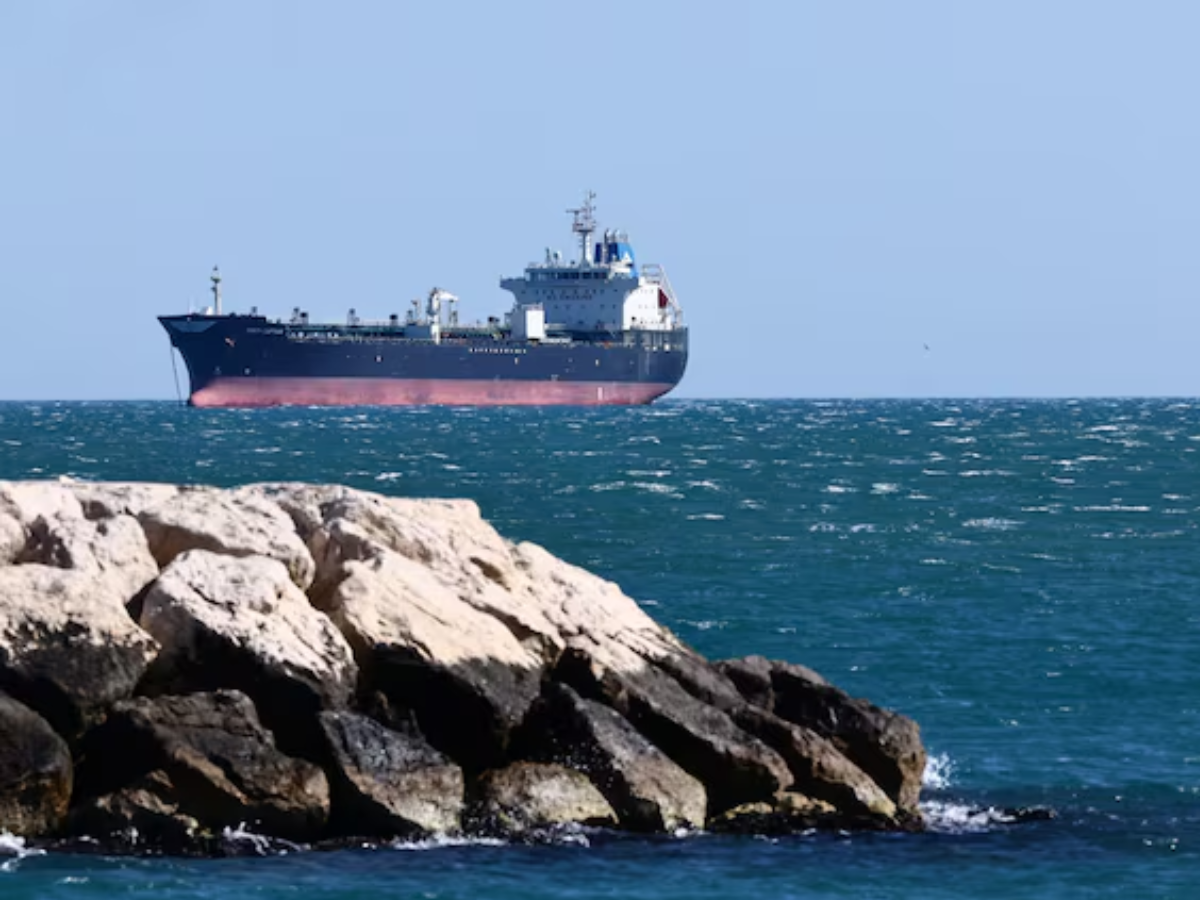
WASHINGTON: Oil prices climbed about 1% on Friday after fresh fighting between the United States and Iran raised concerns over a fragile ceasefire and undermined hopes for progress on reopening the Strait of Hormuz, a vital route for oil and liquefied natural gas shipments.
Brent crude futures gained $1.20, or 1.2%, to $101.26 a barrel, while US West Texas Intermediate (WTI) crude rose 85 cents, or 0.9%, to $95.66 a barrel. Both benchmarks had risen more than 3% at the market open.
The advance followed three straight sessions of losses, which had come after reports earlier in the week that Washington and Tehran were nearing a peace agreement that could halt the fighting while leaving broader disputes over Iran’s nuclear programme unresolved. Even with Friday’s rebound, both contracts were still on track to post weekly declines of about 6%.
Vandana Hari, founder of oil market analysis firm Vanda Insights, said the market was struggling to price developments clearly.
Friday’s gains came after Iran accused the US of breaching the month-long ceasefire. The US, for its part, said its strikes were carried out in retaliation after Iran fired on US Navy vessels moving through the Strait of Hormuz on Thursday.
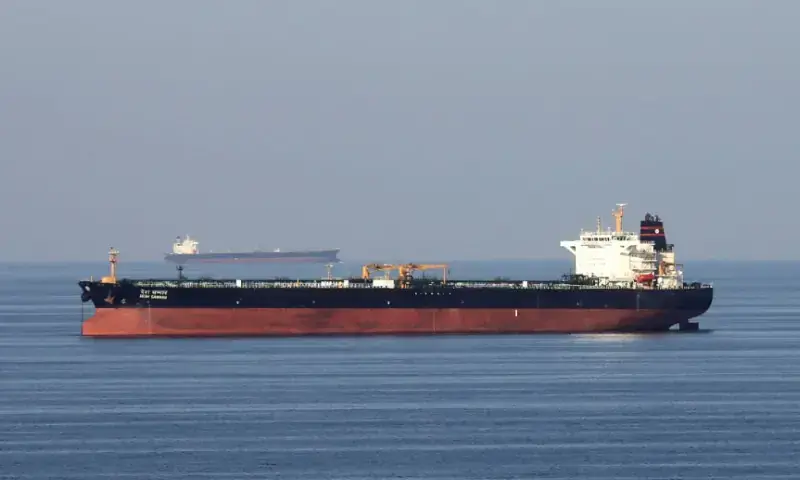
Iran’s military said the US had struck an Iranian oil tanker, another vessel and civilian areas in the strait and on the mainland. Later on Thursday, however, US President Donald Trump told reporters that the ceasefire remained in place.
Hari said the market had repeatedly responded to optimistic signals from Washington.
The latest exchange of fire took place as Washington awaited Tehran’s response to a new peace proposal. The proposal did not address several contentious issues, including the US demand that the Strait of Hormuz be reopened. Before the war began on February 28, the waterway carried about one-fifth of global oil and LNG supply.
Tony Sycamore, an analyst at IG, said supply conditions remained tight.
Separately, Reuters reported on Thursday that the US Commodity Futures Trading Commission was investigating $7 billion in oil trades placed ahead of major Iran war-related announcements by President Trump. Most of those trades involved short positions, or bets that prices would fall, on the Intercontinental Exchange and the Chicago Mercantile Exchange before Trump statements on attack delays, the ceasefire and other Iran policy shifts that pushed oil prices lower.
Hormuz remains central to market concerns
The Strait of Hormuz has remained at the centre of market attention because of its role as a major energy transit corridor. Friday’s price move reflected renewed concern that any further deterioration in the ceasefire could disrupt flows through the passage and keep supply risks elevated.
Although prices recovered on Friday, the weekly trend still pointed lower after earlier optimism over a possible diplomatic breakthrough between the US and Iran. That optimism was tempered by the latest military exchange and by uncertainty over whether the ceasefire can hold.
Comments
No comments yet. Be the first to join the discussion!