Oil Prices Climb Amid Escalating US-Israeli Conflict with Iran
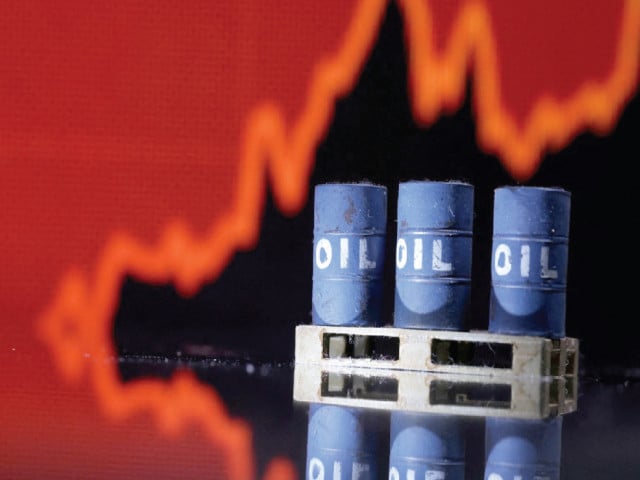
Oil prices rose for a third day as the US-Israeli conflict with Iran escalated, raising concerns over supply disruptions through the Strait of Hormuz and pushing Brent crude to its highest level since January 2025.

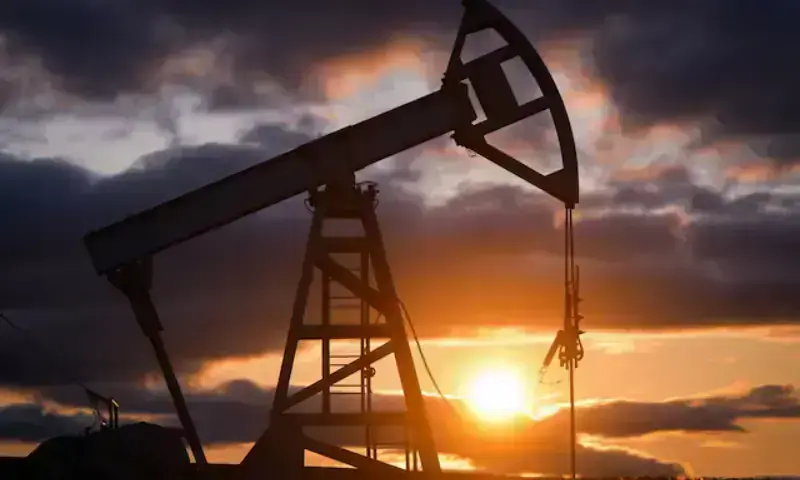
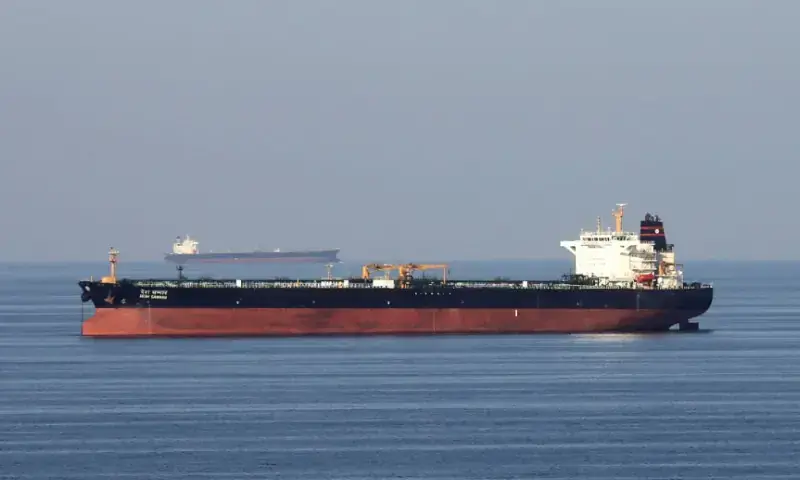
Oil prices continued to rise for a third consecutive day on Tuesday, driven by mounting concerns over supply disruptions as the US-Israeli conflict with Iran intensifies. Reports indicate that threats to shipping through the Strait of Hormuz, a critical passage for global oil supplies, have heightened fears of potential interruptions from the Middle East, a key oil-producing region.
Brent and WTI Crude See Significant Gains
Brent crude futures reached $79.44 per barrel, marking an increase of $1.70 or 2.2 percent by 04:00 GMT. On Monday, Brent crude had surged to as high as $82.37 per barrel, the highest level since January 2025, before settling with a 6.7 percent gain. Similarly, US West Texas Intermediate (WTI) crude rose by $1.17, or 1.6 percent, to $72.40 per barrel. In the previous session, WTI initially climbed to its highest since June 2025 before retreating, but still closed up 6.3 percent.
Supply Risks Remain Elevated
Market analysts noted that the ongoing conflict and the effective closure of the Strait of Hormuz have kept upward pressure on oil prices. Tony Sycamore, an ING market analyst, stated in a note that with no immediate signs of de-escalation, and with Iran reportedly showing readiness to target energy infrastructure in the region, the risks of further price increases remain and may intensify if the conflict persists.
“With no quick de-escalation in sight, the Strait of Hormuz effectively closed and Iran showing a willingness to target energy infrastructure in the region, upside risks remain and they grow the longer the conflict drags on,” Tony Sycamore said.
Conflict Expands, Impacting Energy Markets
The US and Israeli air campaign against Iran widened on Monday, contributing to the heightened market volatility. The ongoing tensions have raised alarms among traders and policymakers over the security of oil supplies from the region.
As the situation develops, market participants are closely monitoring geopolitical developments and their potential impact on global energy markets. The duration and scope of the conflict are seen as key factors that could influence future oil price movements.
Comments
No comments yet. Be the first to join the discussion!