Oil jumps as report says US may weigh military action against Iran
Oil prices rose sharply on Thursday after a report said the US was considering possible military action against Iran. Markets remained focused on supply risks linked to the Strait of Hormuz and the wider US-Iran conflict.

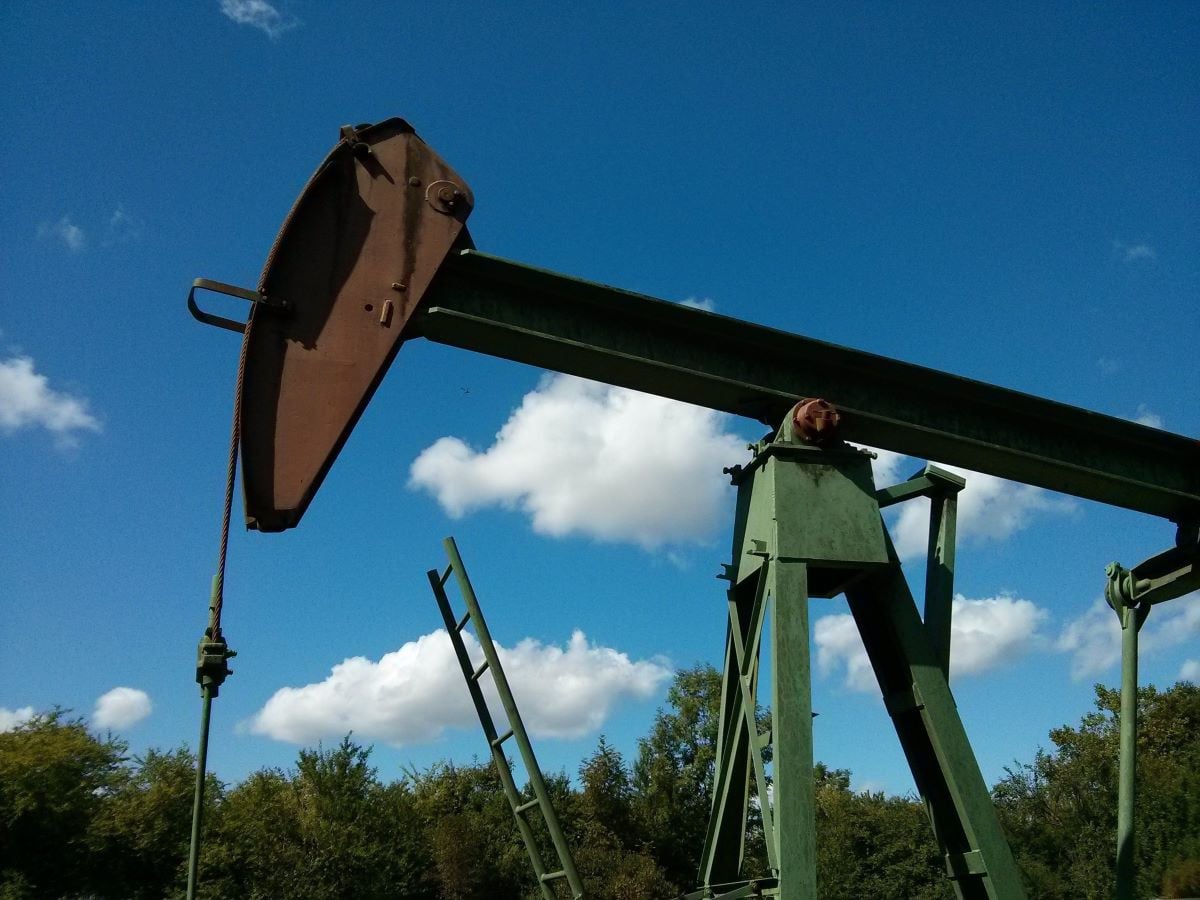
Washington: Oil prices climbed sharply on Thursday after a report said the United States was considering possible military action against Iran, adding to market concerns over further supply disruptions in the Middle East.
Brent crude for June delivery rose by as much as 7% during the session. It was later up $6.81, or 5.8%, at $124.84 a barrel after gaining 6.1% in the previous session. The June contract was on track for a ninth straight day of gains and expires on Thursday.
The more active July Brent contract stood at $113.78, up $3.34, or 3%, after rising 5.8% in the previous session. US West Texas Intermediate crude for June was up $2.76, or 2.6%, at $109.64 a barrel, after climbing 7% in the previous session and posting gains in eight of the last nine sessions.
Both major benchmarks were heading for a fourth consecutive monthly increase. Since the beginning of the year, Brent has risen by more than 100% and touched its highest level since March 2022 on Thursday, while WTI has advanced by more than 90%.
Report on possible US action
According to an Axios report published late on Wednesday, US President Donald Trump was due to receive a briefing on Thursday on plans for a series of military strikes on Iran aimed at pushing Tehran back to negotiations over its nuclear programme.
The market reaction came against the backdrop of an already severe disruption in regional energy flows. The US and Israel launched air strikes on Iran on February 28, and Iran responded by shutting down almost all shipping through the Strait of Hormuz, a key route for energy supplies from Middle Eastern producers.
Under a ceasefire that has halted active fighting, the United States has maintained a blockade on Iranian ports. Efforts to settle the conflict have stalled. The US is insisting that talks include Iran's alleged nuclear weapons programme, while Iran is seeking some control over the strait and reparations for war damage.
The conflict has killed thousands and caused what analysts described as the world's biggest ever energy disruption.
"Prospects for any near-term resolution to the Iran conflict or a reopening of the Strait of Hormuz remain dim," IG market analyst Tony Sycamore said in a note.
Supply concerns remain in focus
In another sign that the disruption could continue, a White House official said Trump spoke on Wednesday with oil companies about ways to reduce the impact of a possible US blockade lasting for months.
"In the near term, market participants remain focused on the dynamics of the US-Iran conflict and the risk of a prolonged closure of the Strait of Hormuz. This focus currently outweighs the long-term implications of the potential waning influence of OPEC+ following the UAE's exit from the cartel," said OANDA senior market analyst Kelvin Wong.
The OPEC+ alliance, which includes the Organisation of the Petroleum Exporting Countries and allied producers, is expected to approve a modest increase of about 188,000 barrels per day in output quotas at a meeting on Sunday, cited by Reuters on Wednesday.
The meeting comes after the United Arab Emirates left OPEC with effect from May 1, a move expected to weaken the group's ability to influence prices. Analysts said that while the UAE's departure could eventually allow it to raise production once exports resume, that is not expected to materially change market fundamentals this year, particularly with the Strait of Hormuz still closed and other war-related production outages in place.
Analysts are also examining whether high prices will begin to curb consumption. ING analysts said around 1.6 million barrels per day of demand could be lost as consumers and end-users cut back on oil use because of elevated prices.
Comments
No comments yet. Be the first to join the discussion!