Aurangzeb launches capital market fund
Finance Minister Muhammad Aurangzeb launched the Capital Market Development Fund and called for reforms to strengthen Pakistan’s capital markets. He also said the country is pursuing green bonds and other funding avenues to support climate resilience and energy transition goals.

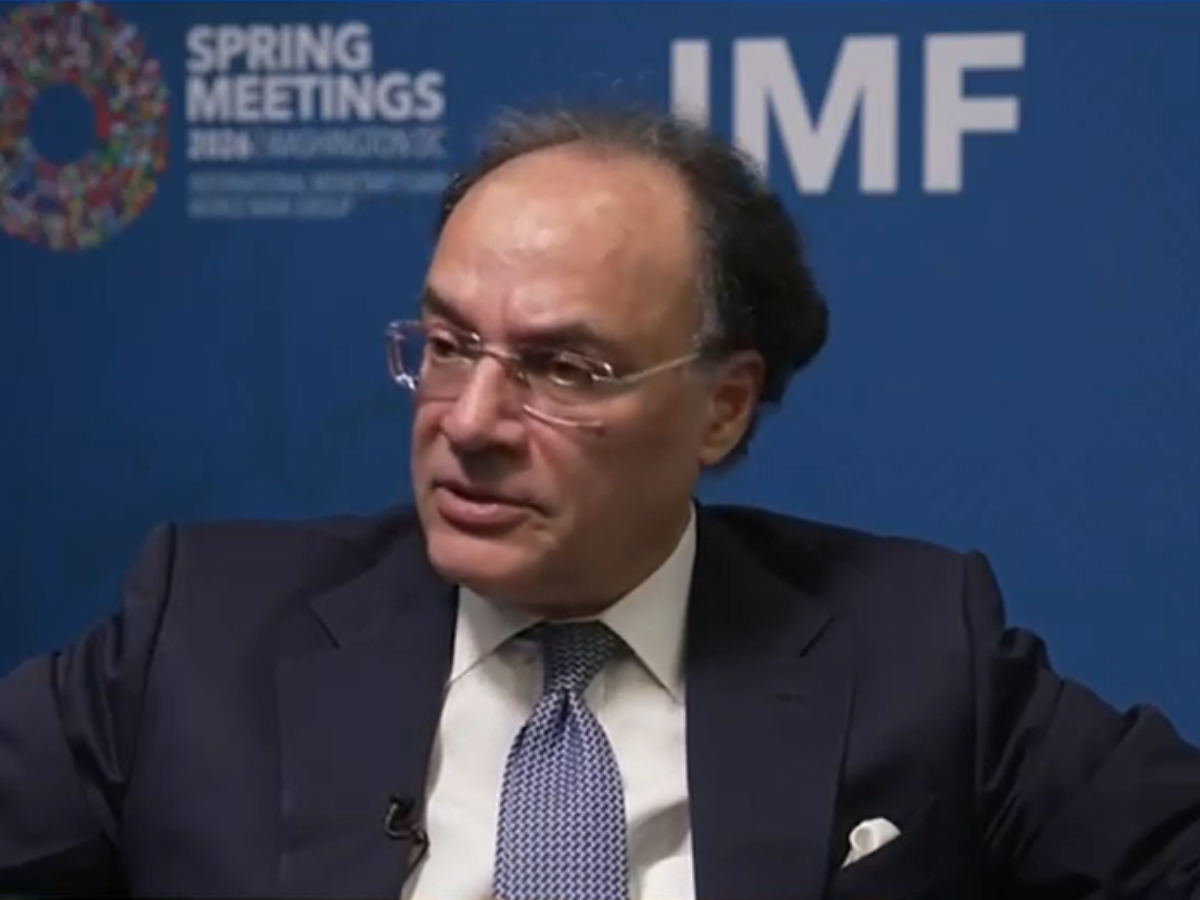
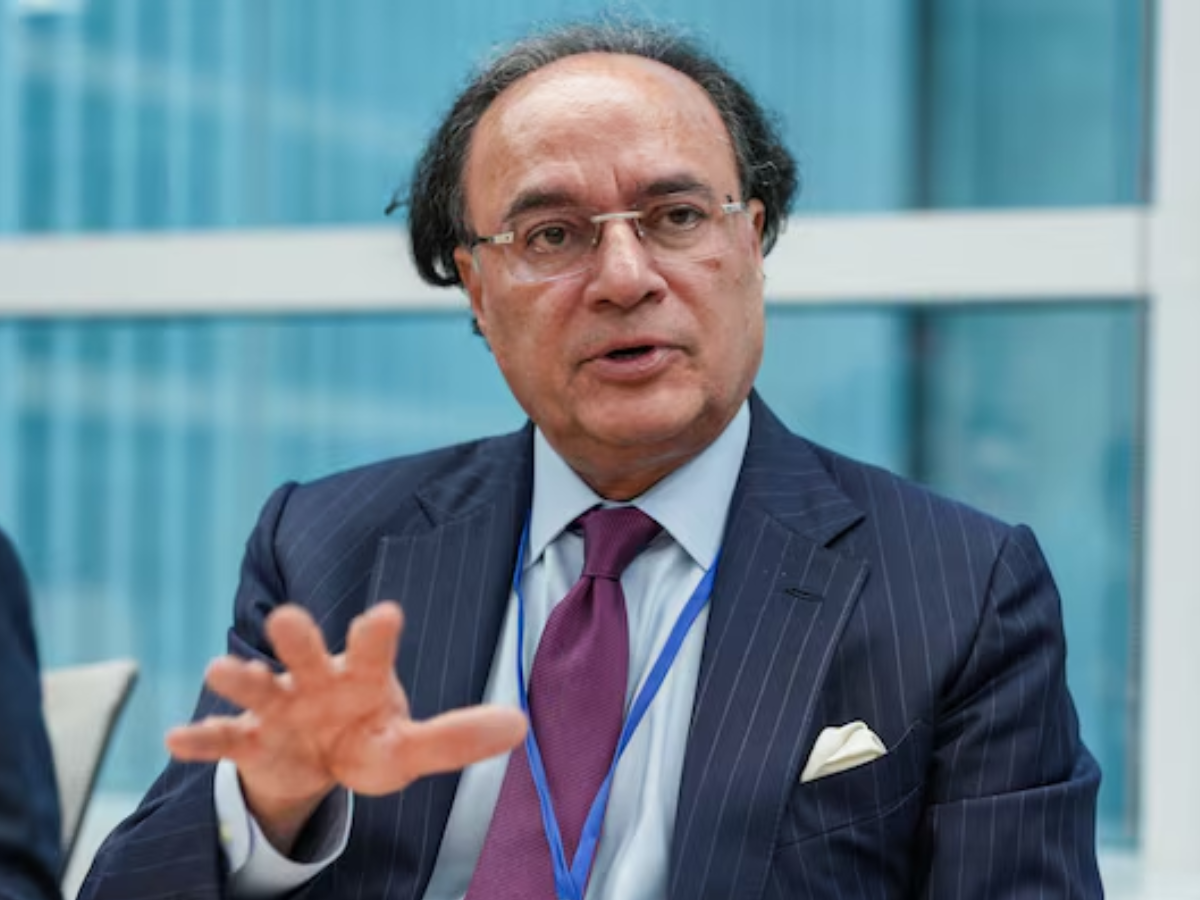
ISLAMABAD: Finance Minister Senator Muhammad Aurangzeb on Wednesday described the launch of the Capital Market Development Fund (CMDF) as a milestone and called for coordinated reforms to deepen, broaden and modernise Pakistan’s capital markets, according to an official statement.
Speaking at the CMDF signing ceremony organised by the Securities and Exchange Commission of Pakistan (SECP), the minister said strong capital markets were vital for sustainable economic growth, mobilisation of savings and unlocking long-term financing for key sectors.
Aurangzeb said robust capital markets support capital formation, risk-sharing and financing for infrastructure and startups. He outlined four areas requiring attention: the broader capital market framework, the balance between equity and debt markets, the regulatory role of the SECP, and partnerships among stakeholders.
He said Pakistan needed to learn from ongoing global and regional challenges, adding that commercial reserves alone were not enough and that strategic reserves should also be developed to improve economic resilience.
The finance minister also stressed faster investment in renewable energy, including solar, wind and hydropower, saying capital markets would be central to financing that shift. He said building indigenous economic capacity was important and added that stronger fiscal buffers could reduce reliance on international assistance during crises such as floods.
He linked economic strength with national and energy security and said Pakistan needed to reduce its overdependence on the banking sector by increasing the use of capital markets in both the public and private sectors.
Aurangzeb said the equity market had shown progress, noting that more than 220,000 new investors had entered over the past two years, largely driven by young and tech-savvy participants. At the same time, he voiced concern over the debt capital market, saying it had gone into reverse gear and needed regulatory reforms, better ease of doing business and taxation changes to revive corporate bond activity.
He also highlighted the importance of financial literacy and investor education, urging authorities to direct outreach towards Gen-Z and younger investors who are increasingly influencing market trends through digital platforms.
On regulation, the minister described the SECP’s role as a fine balancing act between expanding market participation and ensuring investor protection, fiscal discipline and risk management.
Climate finance and new funding avenues
Separately, while addressing the DawnMedia Breathe Pakistan International Climate Change Conference 2026, Aurangzeb said Pakistan currently had access to about $600-700 million in climate finance and was pursuing diversified funding channels, including green bonds and other innovative instruments, to support climate resilience and energy transition goals.
He said Pakistan expected to receive around $200 million from the International Monetary Fund, while the Asian Development Bank was also providing assistance. He added that the government was working to launch its inaugural Panda bond this month, expected to be about $250 million equivalent in renminbi.
The minister called for a pragmatic approach and said stakeholders should focus on using available resources effectively instead of concentrating on large theoretical financing gaps.
Referring to international experience, Aurangzeb said China’s rapid expansion in green finance, accounting for nearly 40% of global green bond issuance, offered useful lessons. He also pointed to ongoing initiatives including energy efficiency measures, promotion of electric vehicles, subsidies and risk-sharing mechanisms to support the transition.
He reiterated the need for greater reliance on indigenous resources, stronger domestic capital markets and reduced dependence on bank financing.
Comments
No comments yet. Be the first to join the discussion!