Water shortages, 'honour' killings dominate Sindh Assembly session
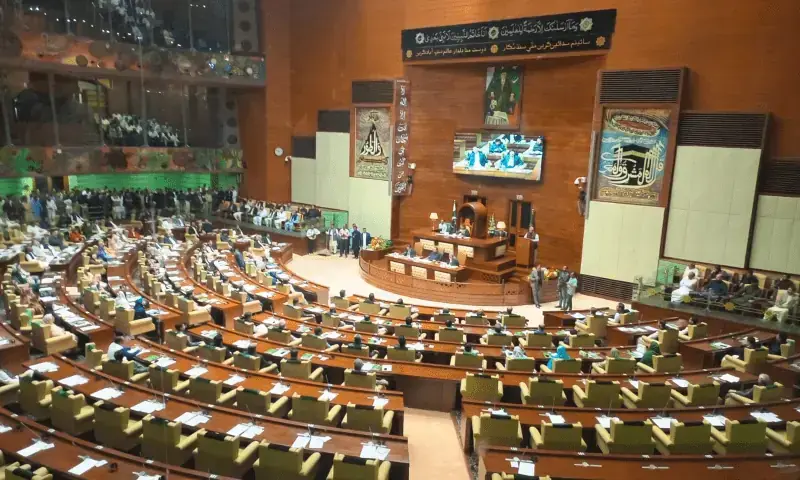
A Sindh Assembly session on Monday centred on Karachi’s worsening water shortages and the issue of honour killings. Lawmakers debated delayed water projects, distribution failures and the Tando Masti killing case.

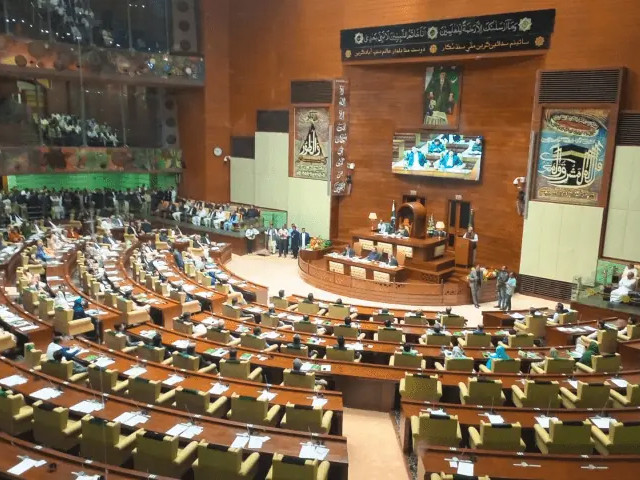
KARACHI: A Sindh Assembly session on Monday focused heavily on Karachi’s persistent water shortages and the issue of honour killings, as lawmakers raised concerns over civic services and public safety.
The discussion on Karachi’s water situation took up much of the proceedings, with members criticising the government over what they described as continued failure to ensure regular supply despite repeated commitments.
Parliamentary Secretary for Local Government Siraj Qasim Soomro told the house that work was under way to improve water availability in the city. He said the TP-1 facility was currently producing 45 million gallons per day and was expected to reach 100 million gallons per day by December.
During the debate, the government acknowledged that water distribution remained a serious problem and said Karachi’s supply issues were both extensive and longstanding. It said improved planning and a comprehensive water census were needed to address the matter more effectively.
Officials also referred to future options, including desalination projects that have faced delays, as well as the K-IV water supply scheme. The assembly was told that the K-IV project is now under federal supervision and that its cost has risen from Rs25 billion to more than Rs100 billion.
Officials said the project was expected to be completed by 2026, but also cautioned that it could be pushed into 2027.
Debate on honour killings
The session also saw an emotional discussion on honour killings in the wake of the Tando Masti incident.
Interior Minister Ziaul Hassan Lanjar informed the assembly that he had directed police at 3am to arrest suspects allegedly involved in the killing of a young girl, Rubina Chandio.
Lawmakers from MQM-P denounced the practice of karo kari, saying the term was being used to falsely invoke honour in order to justify violence.
Lanjar also condemned the practice and told the house it had no place in Islam or in law. He called for legislation across the country to eliminate it.
The minister further suggested that a joint motion be brought before the assembly for a detailed discussion on the issue. He said the state must act firmly against such crimes, which he noted are often concealed because of social pressure and influence.
The proceedings reflected concern among lawmakers over both Karachi’s infrastructure problems and broader social issues raised during the sitting.
Comments
No comments yet. Be the first to join the discussion!