Gulf on edge
A fire in Fujairah has alarmed the region, with UAE blaming Iran-linked strikes. Analysts warn escalation could hit oil, shipping and Pakistan’s economy—demanding diplomacy and economic preparedness.

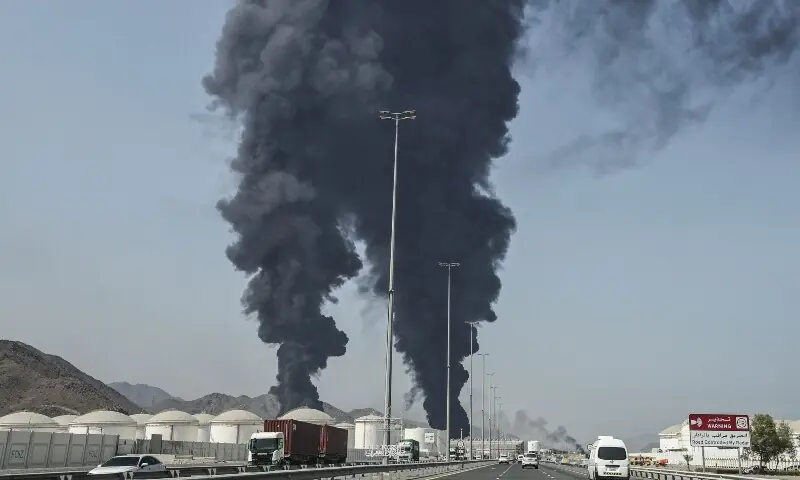
The fire at Fujairah should alarm far beyond the UAE. It is not merely another strike in a region already accustomed to living under threat. It is a warning that the Iran crisis, after a brief lull, may again be moving toward a stage where diplomacy is overtaken by escalation, and escalation begins to price itself into every barrel of oil, every shipping route and every vulnerable economy.
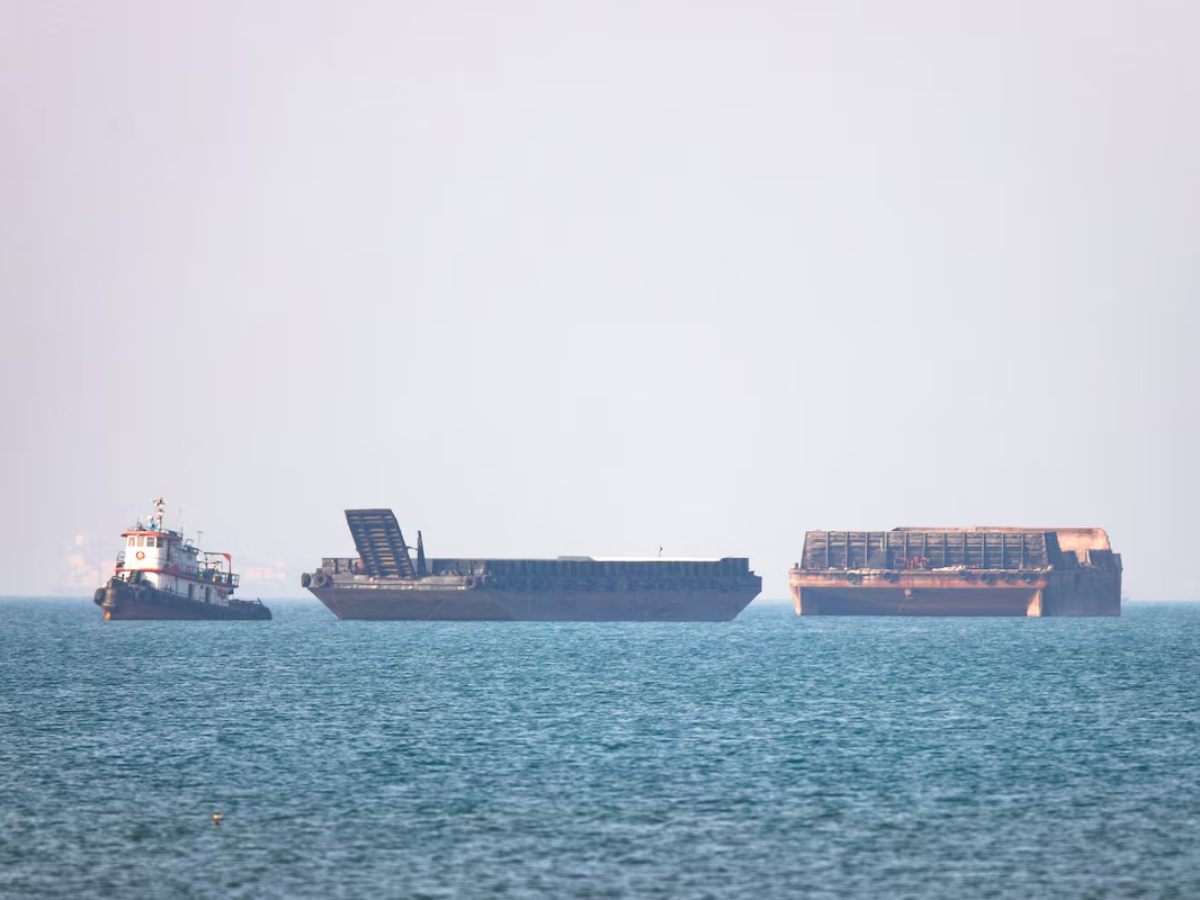
The details remain unsettling. UAE authorities have pointed to a drone attack originating from Iran, while its military reported intercepting missiles over its waters. Iran’s Revolutionary Guards Navy, meanwhile, circulated a map suggesting expanded control near the Strait of Hormuz and around key UAE ports. The purpose of these strikes, their timing and the wider message behind them remain unclear. That lack of clarity is itself dangerous. Wars often become more destructive when signals are ambiguous and every side assumes the worst.
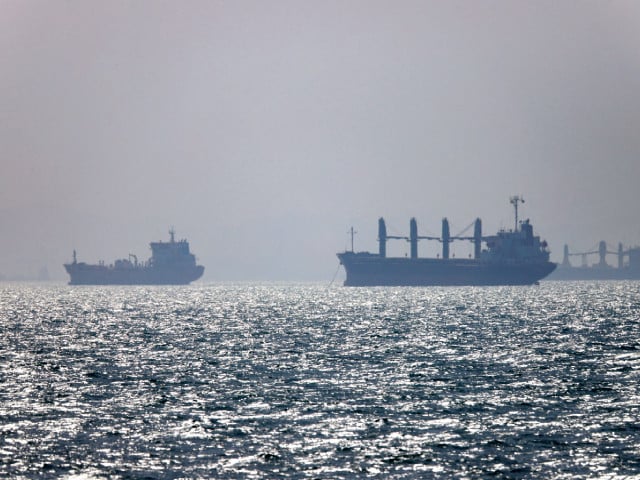
Fujairah is not an ordinary target. It sits outside the Strait of Hormuz and gives the UAE a way to move crude to global markets even when the world’s most important energy chokepoint is under threat. If Fujairah is no longer insulated from the conflict, then the economic implications are immediate. Oil markets would not need a full closure of Hormuz to panic. Repeated attacks near export infrastructure, insurance spikes, disrupted loading operations and shipping delays would be enough to transmit fear across the global economy.
For countries such as Pakistan, the risk is acute. A fresh energy shock would raise import costs, weaken external accounts, pressure the rupee, complicate inflation management and make fiscal planning harder. Pakistan has only recently fought to restore macroeconomic stability. It cannot afford a regional conflict that turns oil into a weapon and shipping lanes into bargaining chips.
This is why Pakistan’s diplomatic role matters. Prime Minister Shehbaz Sharif and Field Marshal Asim Munir must continue efforts to keep channels open between Washington, Tehran and Gulf capitals. If Pakistan helped create space for the April ceasefire, it must now work to preserve whatever remains of it. The region needs more diplomacy, not more projectiles crossing its skies.
But diplomacy alone is not preparation. Islamabad must also plan for economic shockwaves. That means reviewing fuel stocks, import financing, subsidy exposure, inflation risks and emergency support for the most vulnerable households. It also means giving markets a clear signal that the state is watching the crisis, not waiting to be surprised by it.
The Gulf cannot absorb another open-ended war. Nor can the world economy. Peace is no longer just a moral necessity. It is an economic imperative.

The Editorial Department of Pakistan Today can be contacted at: [email protected].
View all articles →Comments
No comments yet. Be the first to join the discussion!