

Zero convictions despite over 27,000 labour inspections
The labour department says it conducted 27,005 inspections at factories and workshops over the past one and a half years and registered 527 cases, but no convictions have followed. Officials and labour rights advocates cited weak enforcement, procedural flaws and legal loopholes.

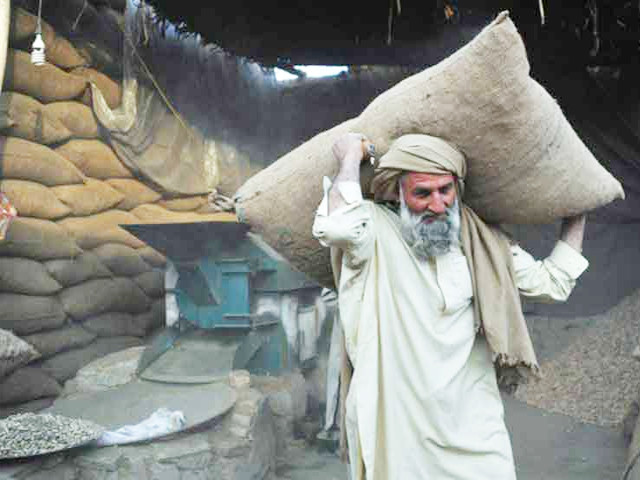
Karachi: The labour department says it carried out 27,005 inspections at textile units, factories and workshops over the past one and a half years to check alleged breaches of child labour laws, minimum wage rules, and occupational health and safety requirements, but no convictions have been recorded so far.
According to department officials, 527 cases were registered against alleged violators during this period, while 12,107 challans were sent to courts. Officials said that despite this enforcement activity, the cases have not resulted in any convictions, and most challans have ended in minor penalties.
Breakdown of inspections
Director Labour (East) Rai Yasin Kharal said the inspections were conducted both on complaints filed by workers and labour unions and on the department’s own initiative. He said 20,041 inspections were aimed at checking occupational safety and health compliance in power looms, textile sizing units, spinning mills and other industrial and commercial establishments.
Kharal said 3,669 factories were inspected for child labour violations, while 3,295 units were raided during enforcement operations. He added that in the initial stages, factory owners were issued warning notices and directed to comply with labour laws, but repeated violations led the department to intensify inspections.
Officials said 156 cases were registered under the Occupational Health and Safety Act and 371 under the Child Labour Act.
Concerns over enforcement and legal process
Director Labour (West) Syed Ghazanfar Ali Shah said the department was implementing fire safety and building by-laws under a zero-tolerance policy, especially in industrial units. He said there had been partial compliance, but violations continued because of weak enforcement mechanisms.
Shah also pointed to shortcomings in the legal framework, saying accused employers often evade accountability by taking advantage of procedural loopholes.
Labour National Movement Chairman Baba Latif Ansari said weak prosecution and ineffective processing of challans were among the main reasons behind acquittals. He claimed that no major industrial owner had been punished over the past two decades and said enforcement agencies had failed to make arrests in such cases.
Ansari also questioned why labour-related cases were being sent to magistrate courts instead of specialised labour courts, arguing that this led to weak punishments and recurring violations. He further alleged that many workers in the Sidharth Industrial Estate were being paid between Rs20,000 and Rs25,000 for 12-hour shifts, despite the legal minimum wage being much higher.
Human rights lawyer Malik Aftab Shahzad Jora Advocate said flaws in challans were often used in lower courts as grounds for acquittal. He alleged that in some instances, judicial leniency led to nominal fines or the dismissal of penalties, allowing violations to continue.
He urged the Chief Justice of the Lahore High Court to take notice of what he described as a systemic failure in the enforcement of labour laws and to ensure stricter implementation of legal provisions in subordinate courts.
Comments
No comments yet. Be the first to join the discussion!


