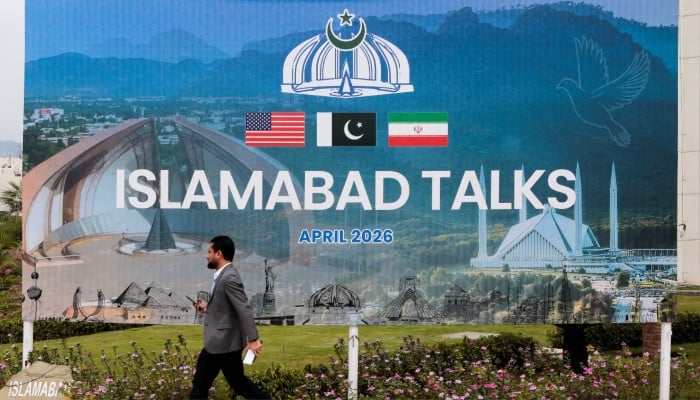
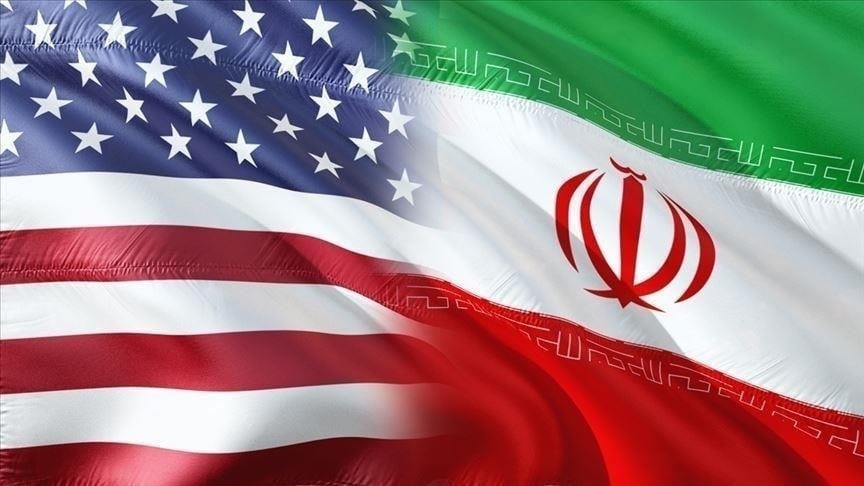
US and Iranian delegations expected in Islamabad for possible second round of talks
US and Iranian delegations are expected to head to Islamabad for a possible second round of talks, with Pakistan continuing mediation efforts. The development follows a phone call between Ishaq Dar and Abbas Araghchi on the ceasefire and diplomatic engagement.

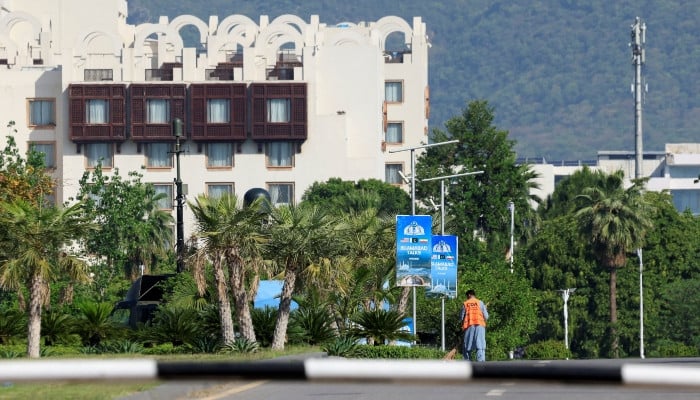
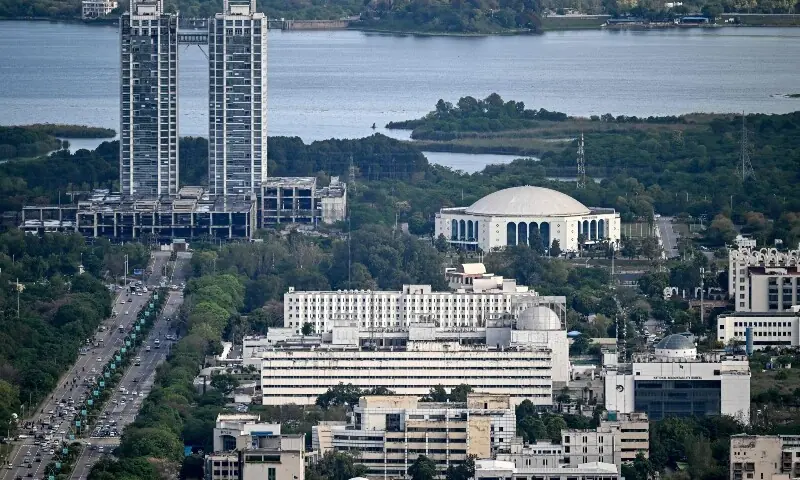
ISLAMABAD: Delegations from the United States and Iran are expected to depart for Pakistan on Friday ahead of a possible second round of peace talks in Islamabad, according to government sources.
Sources said the Iranian delegation, which is expected to include Foreign Minister Abbas Araghchi, is likely to arrive in the federal capital later tonight. They added that a US logistics and security team is already in Islamabad in advance of the anticipated talks.
According to the sources, the latest movement followed key contacts made by Pakistan’s mediation team.
The development came shortly after Deputy Prime Minister and Foreign Minister Ishaq Dar spoke by telephone with Iranian Foreign Minister Araghchi and stressed the need for continued dialogue and engagement to settle outstanding issues between Washington and Tehran.
In a statement, the Foreign Office said Dar and Araghchi discussed the ongoing US-Iran ceasefire and also exchanged views on diplomatic efforts being pursued by Islamabad in the context of engagement between the two countries.
“Both sides exchanged views on regional developments, the ceasefire, and ongoing diplomatic efforts being pursued by Islamabad in the context of US-Iran engagement”, the statement read.
The Foreign Office said Dar underlined the importance of sustained diplomacy to address unresolved matters and help advance peace and stability in the region at the earliest opportunity. The Iranian foreign minister praised Pakistan’s steady and constructive role in facilitating the talks.
Uncertainty over second round
A second round of talks between Tehran and Washington had remained uncertain after the two sides did not agree on their respective steps in and around the Strait of Hormuz.
Tehran shut the waterway after the United States and Israel launched attacks across Iran on February 28. In addition to closing Hormuz, Iran also carried out strikes on Israel and on US bases across the Middle East.
Prime Minister Shehbaz Sharif then mediated a two-week ceasefire between the two sides on April 8 and went on to facilitate the first round of talks in Islamabad on April 11.
That round ended without an agreement on a permanent end to the conflict. After the inconclusive talks, US President Donald Trump announced a US naval blockade of Iranian ports.
Iran reopened Hormuz on April 17, citing a ceasefire agreement between Lebanon and Israel, but shut the strait again the next day because of the US blockade of Iranian maritime trade, which Tehran considers an act of war.
Pakistan’s diplomatic outreach
Despite continued tensions, Islamabad kept up diplomatic efforts aimed at bringing Tehran and Washington back to the negotiating table and extending the two-week ceasefire.
Hours before the ceasefire was due to expire on April 22, President Trump announced that the truce would be extended until an Iranian proposal was submitted and discussions were completed.
In a post on Truth Social, Trump said he was acting at Pakistan’s request to delay attacks until Iranian leaders and representatives could present what he described as a unified proposal.
Comments
No comments yet. Be the first to join the discussion!