NDMA warns of severe heatwave in Karachi and other regions until May 5
The NDMA has warned that Karachi and several other regions may remain under severe heatwave conditions until May 5, while also forecasting rain, dust storms and gusty winds in parts of the country. Separately, Prime Minister Shehbaz Sharif ordered an inquiry into an inactive early warning system in


ISLAMABAD: The National Disaster Management Authority (NDMA) has issued a nationwide alert warning that several parts of the country, including Karachi, are likely to remain under severe heatwave conditions until May 5.
The authority, through its National Emergencies Operation Centre (NEOC), asked relevant departments to activate emergency and heatwave response plans and urged the public to take precautionary steps to reduce health and environmental risks.
According to the NDMA, Sindh, southern Punjab and parts of Balochistan are expected to face the harshest conditions. Major urban centres named in the alert include Karachi, Hyderabad, Sukkur, Larkana, Jacobabad, Bahawalpur, Rahim Yar Khan, Multan and Turbat. The authority also said central Punjab and some parts of Khyber Pakhtunkhwa may see a marked increase in temperatures.
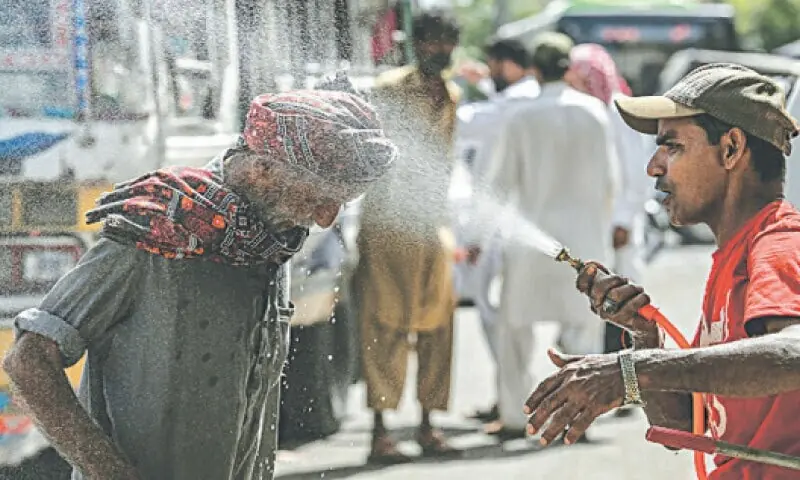
The NDMA warned that the ongoing heatwave could raise the risk of heatstroke, dehydration and other health complications. Citizens were advised to avoid unnecessary exposure to direct sunlight, increase water intake and adopt preventive measures. It also directed relevant institutions to establish cooling centres and ensure hospitals remain on high alert, while provincial and district administrations were told to stay vigilant for any emergency arising from the weather situation.
The authority said the current weather pattern was in line with its seasonal outlook issued three to four months earlier, and noted that it had already shared a detailed assessment covering expected conditions from April to June. It also urged the public to stay updated through its official mobile application, Pak NDMA Disaster Alert, for timely information and guidance.
Rain, dust storms and gusty winds forecast in several regions
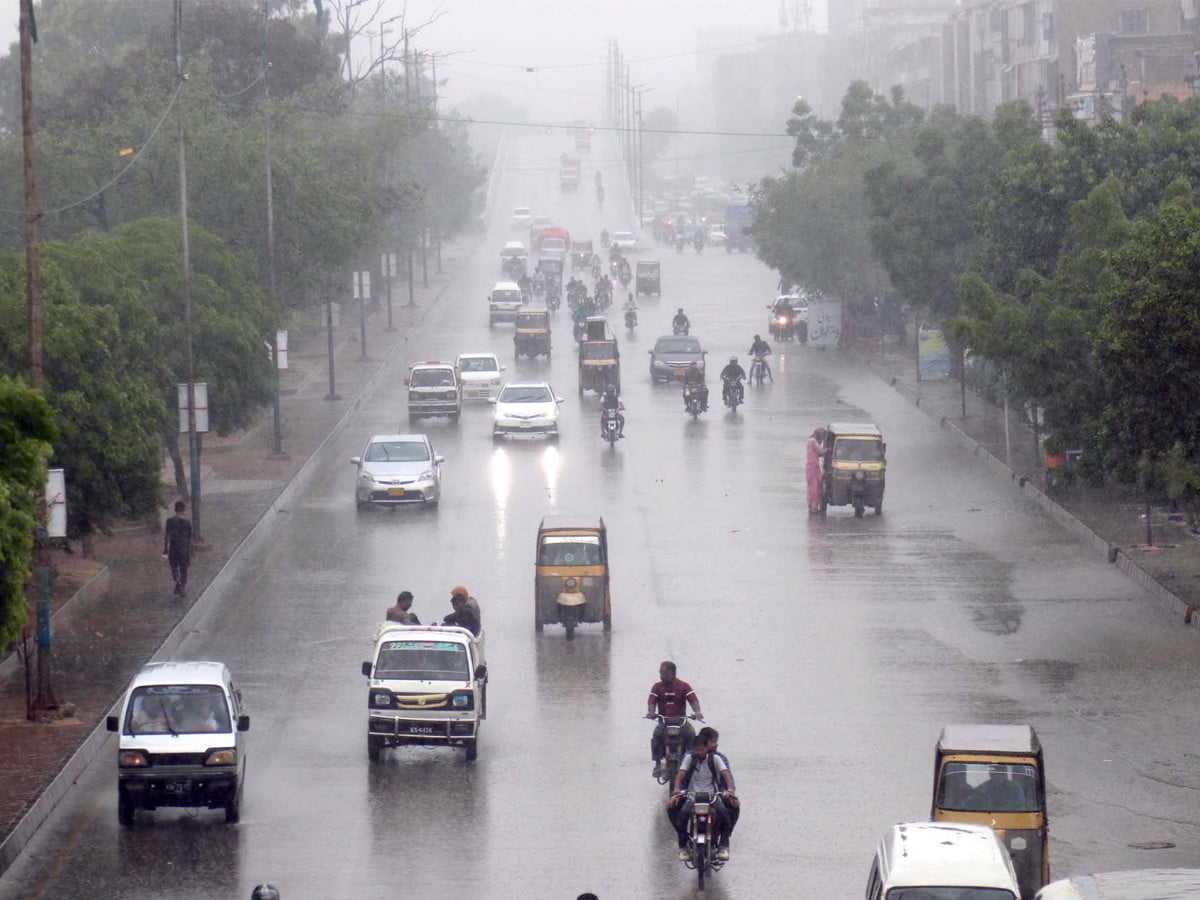
Alongside the heatwave warning, the NDMA said a separate weather system is expected to bring dust storms, strong winds and rain to upper and central districts on April 24, 25 and 29.
In Punjab, areas including Murree, Islamabad, Rawalpindi, Attock, Chakwal, Jhelum, Mianwali, Sargodha, Gujrat, Gujranwala, Faisalabad, Lahore, Dera Ghazi Khan and Multan may receive rainfall during this period.
In Balochistan, northern districts such as Quetta, Ziarat, Kalat and Khuzdar are forecast to receive rain accompanied by strong winds between April 24–25 and April 27–29. The NDMA said coastal areas, including Gwadar, are expected to remain hot and dry, with temperatures gradually rising.
Sindh is likely to continue experiencing generally hot and dry weather, with temperatures steadily increasing across the province. However, Hyderabad, Badin and Mithi may receive light rain and strong winds on April 24.
Khyber Pakhtunkhwa is also expected to witness intermittent rain and gusty winds in Chitral, Dir, Swat, Malakand, Kohistan, Mansehra, Abbottabad, Peshawar, Mardan, Swabi, Charsadda, Nowshera, Kohat and Kurram during April 24–25 and April 27–29.
Gilgit-Baltistan and Azad Jammu and Kashmir are likely to experience intermittent rain with thunderstorms from April 24 to 29.
Prime minister orders inquiry into inactive GB warning system
Separately, Prime Minister Shehbaz Sharif ordered a high-level inquiry into the non-functional early warning system installed in Gilgit-Baltistan for protection against glacial lake outburst floods.
Chairing a review meeting on pre-monsoon preparedness and climate-related risks, the prime minister expressed strong displeasure over the system remaining inactive despite directives issued last year. He said negligence and weak institutional performance would not be tolerated and stressed that protecting citizens from environmental hazards was a core responsibility of all departments.
The prime minister directed federal ministries and provincial governments to remove obstacles delaying implementation and ensure the full operationalisation of digital monitoring infrastructure for early warning systems. He said Pakistan ranks among the countries most vulnerable to the impacts of climate change and called for emergency-level efforts to reduce related risks.
He also referred to lessons from last year’s monsoon season and said illegal encroachments along river routes and flood channels had significantly added to the damage. He instructed authorities to adopt an effective preventive strategy before the onset of heavy rains and directed all institutions to strengthen operational capacity and mobilise resources beyond routine limits to protect lives and property in the event of flooding.
Comments
No comments yet. Be the first to join the discussion!