May 5, 2026
NDMA issues nationwide heat emergency protocols as temperatures rise
The NDMA has issued nationwide heat emergency protocols and placed hospitals on alert as above-normal temperatures are forecast for May and June. Karachi also recorded its hottest day of the year, with temperatures climbing above 44°C.

May 5, 2026
RAWALPINDI: The National Disaster Management Authority (NDMA) on Monday announced countrywide emergency protocols and directed hospitals to remain on alert as unusually high summer temperatures are expected to affect millions of people across Pakistan.
In a press statement, the NDMA said its Early Warning Team expected daytime temperatures during May and June to stay above normal. In view of that forecast, it advised all relevant stakeholders, including provincial and local administrations, health and line departments, rescue agencies, the armed forces and federal ministries, to put the guidelines into effect.
The authority also asked provincial and district disaster management bodies to begin public awareness drives on the risks associated with heatwaves and the steps people should take to protect themselves.
Under the directives, ministries, provincial departments and education authorities have been told to take measures to shield schoolchildren from heatwave conditions. These measures include changing school timings or ordering temporary closures where needed.
The guidelines also call for the identification of high-risk locations and the setting up of heatstroke treatment centres staffed with medical personnel and supplied with basic treatment equipment and water. The NDMA urged the Ministry of National Health Services, Regulations and Coordination to issue directions aimed at improving the capacity of hospitals and departments to deal with heat-related emergencies.
Educational institutions, non-governmental organisations and community groups have also been asked to inform students and local residents about how to recognise heatstroke symptoms, what emergency steps to take and how to obtain medical assistance.
Authorities were further directed to maintain stocks of emergency items, including first aid kits, oral rehydration salts, electrolyte drinks, cooling aids and water dispensers, and to ensure these are available at key locations.
The NDMA specifically instructed the Khyber Pakhtunkhwa Provincial Disaster Management Authority and the Gilgit-Baltistan Disaster Management Authority to keep watch over vulnerable sites in northern glaciated areas, warning that the heatwave could trigger Glof incidents.
Emergency services, forest departments and local administrations were told to stay vigilant against the possibility of forest and urban fires and to take preventive action where possible. The authority also directed officials to establish control rooms for information-sharing and coordination during the heatwave season, while ensuring relevant staff are trained in heat response and rehabilitation.
The guidelines say support should be extended to vulnerable groups, including homeless people, so they have access to shelter and hydration. Agriculture and irrigation departments have been asked to advise farmers on careful crop water management and on harvesting wheat where required.
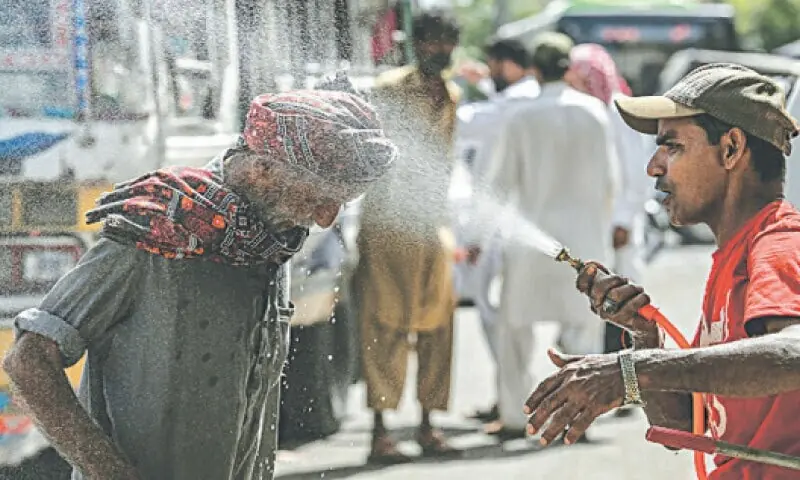
For the public, the NDMA advised people to remain well-hydrated and carry sufficient clean drinking water throughout the day. It said citizens should avoid direct sunlight, particularly between 10am and 5pm, and use protective measures such as lightweight, loose-fitting and light-coloured clothing, sunscreen and hats. It also advised anyone experiencing dizziness, nausea or weakness to seek medical attention immediately.
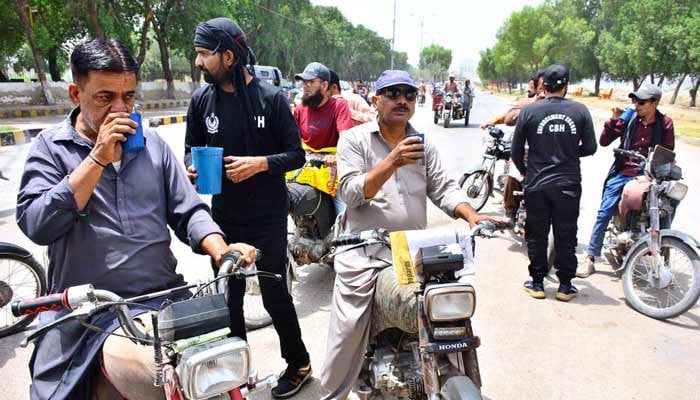
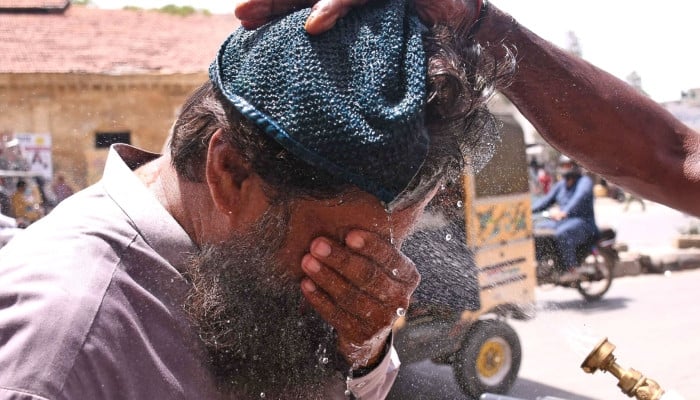
Separately, Karachi recorded its hottest day of the year, with temperatures rising above 44 degrees Celsius, according to the Pakistan Meteorological Department. The extreme weather has added to the difficulties of residents already dealing with water shortages caused by ruptured pipelines and excessive loadshedding by K-Electric in the name of minimising transmission losses.
0 Comments
No comments yet. Be the first to join the discussion!