Pacific nations struggle with food and fuel pressures amid Iran war disruption
Pacific island nations are facing rising fuel and food costs as disruption linked to the Iran war strains energy supplies. Aid groups and officials say the impact is hitting transport, healthcare access and household budgets across the region.

SUVA: Small Pacific island countries are facing mounting pressure on fuel supplies and household budgets as disruption linked to the US-Israeli war with Iran affects global energy flows and pushes up the cost of essential goods and services.
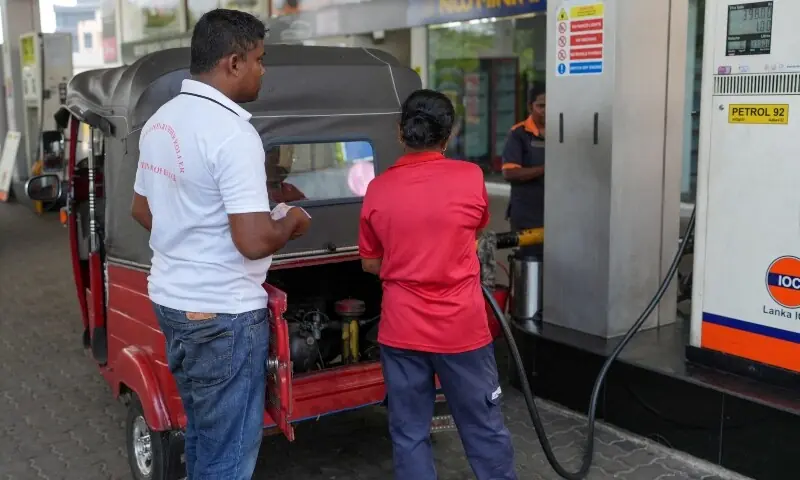
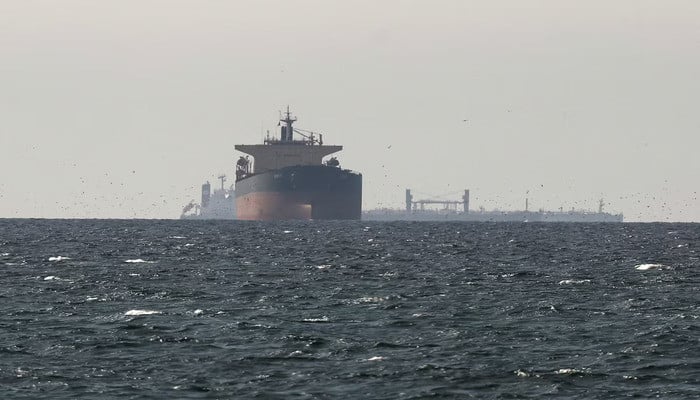
The Strait of Hormuz, which usually carries about 20 per cent of global oil and liquefied natural gas shipments, has seen traffic disrupted during the conflict, contributing to a broader fuel crunch. In Papua New Guinea, aid agencies have warned that prices for diesel, petrol and kerosene have risen by as much as 70pc since the war began.
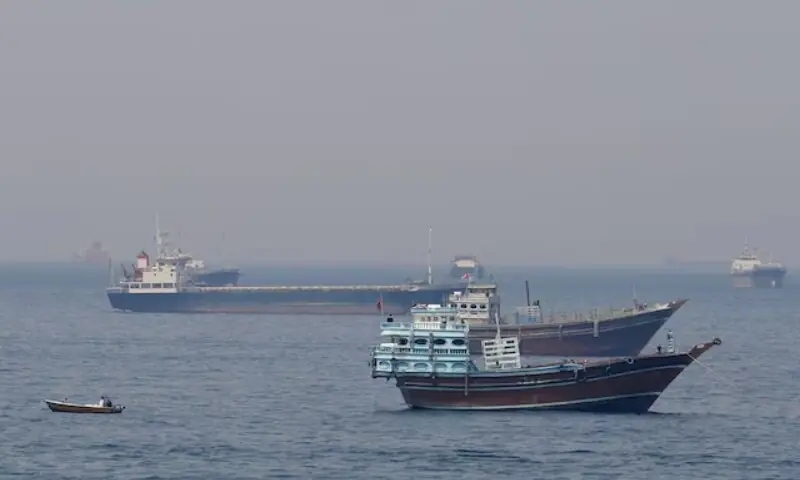
Godfrey Bongomin, programme operations director for World Vision in Papua New Guinea, said the impact was already being felt in remote communities that depend on boats for transport. He said, “Many of our communities, because they rely on boat transport for movement are … having challenges bringing food supplies to outlying centres.”
Bongomin added that the higher transport costs were also affecting access to healthcare, with some people no longer able to afford travel to clinics. He said patients were missing appointments and going without life-saving HIV and tuberculosis medicines. “It is affecting their livelihoods.”
Heavy dependence on imported fuel
According to the International Finance Corp in 2024, Pacific Island countries are the most dependent in the world on diesel for electricity generation. Data from Zero Carbon Analytics showed diesel accounted for more than half of electricity output in 2022 in all Pacific countries except Fiji.
Kpler ship-tracking data showed Pacific countries imported about 2.2 million metric tons of gasoline, diesel, gasoil and jet fuel in 2025, mainly from Singapore and South Korea. However, imports in the first half of April were only a quarter of the total recorded in all of March.
The difficulties seen in Papua New Guinea, where nearly 40pc of the population lives below the poverty line, reflect wider risks across the Pacific, where many countries rely heavily on imported fuel as well as maritime and air connections.
Abdul Abiad, deputy chief economist of the Asian Development Bank, said the effects would not disappear quickly even if fighting eased. “Even if the ceasefire holds, it will take a while for prices to come down to where they were before the conflict,” he said. “There’ll be a lot of pain.”
He said fuel imports account for between 8pc and 11pc of GDP in many Pacific countries, and as much as 27pc in Tuvalu. Abiad said that if the conflict were resolved quickly, regional growth in 2026 was still expected to slow by almost a full percentage point to 3.4pc, while a prolonged war would weaken growth further.
Last week, Chinese foreign ministry spokesperson Guo Jiakun said, “China is willing to maintain communication with all parties and work together to safeguard global energy security,” in response to a question about the situation facing Pacific states.
Emergency measures across the region
Aid organisations say the crisis is increasing travel fares, food prices and the cost of other necessities, placing the greatest strain on low-income households. Kim Koch, regional director for Save the Children based in Fiji, said, “You have families that when they’re stretched financially, they’re asking themselves, can I afford to do this anymore or do I need to actually just spend more money on food?”
Last week, the Pacific Islands Forum troika — comprising the past, current and incoming chairs — agreed to activate the region’s emergency response mechanism to address the crisis. It was the first time the mechanism had been invoked since the Covid-19 pandemic.
Caritas said people in Kiribati were struggling to travel to work and school and to obtain healthcare. Tuvalu and the Marshall Islands have declared states of emergency. The Cook Islands, Nauru and Papua New Guinea have introduced subsidies or caps to contain fuel prices, while some governments have urged the public not to panic-buy or stockpile goods and have imposed purchase limits in certain places.
In Fiji, ministers agreed to a 20pc pay cut to help support measures aimed at easing fuel costs, although parliamentary approval is still required. During a visit to Washington this month, New Zealand Foreign Minister Winston Peters urged US Secretary of State Marco Rubio to consider fuel deliveries for the Pacific. New Zealand and Australian diplomats have also discussed the issue with some countries.
Australian Foreign Minister Penny Wong told media that Australia was examining ways to help, but said domestic supplies remained the first priority. Lillian Bing, secretary general for the Episcopal Conference of the Pacific, said, “The greatest burden is falling on ordinary wage earners and vulnerable communities.”
Comments
No comments yet. Be the first to join the discussion!