June 9, 2026
Indian economy, govt finances see mounting costs from Iran war
India is coming under growing economic strain from the Iran war as elevated oil and gas prices, fertiliser disruptions and fiscal pressures cloud the outlook. Analysts say the shock is likely to slow growth, raise inflation and squeeze government finances.

June 9, 2026

New Delhi: India is facing mounting economic pressure from the Iran war as higher energy costs, supply disruptions and policy constraints weigh on growth, inflation and government finances.
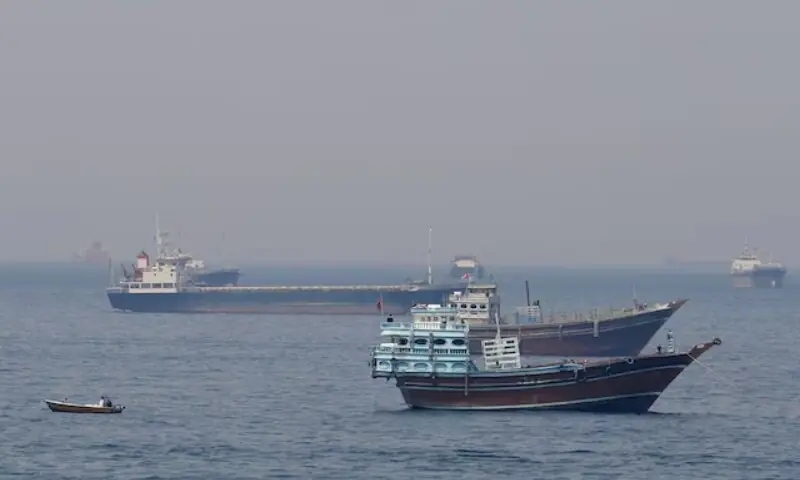
As the world’s third-largest oil importer and consumer, India imports about 90pc of its oil, leaving it highly exposed to disruption linked to the conflict and the effective blockage of the Strait of Hormuz, a route through which around a fifth of global oil and gas supplies move. While Indian authorities have rolled out a series of measures to support the rupee and foreign exchange reserves, including steps announced by the Reserve Bank of India on Friday, analysts said the broader economic impact is likely to deepen as long as oil prices remain high.
Michael Langham, emerging markets economist at Aberdeen Investments, said India was likely to face multiple supply shocks extending beyond energy. He said the country was also confronting fertiliser supply disruptions because of the war, a development that could affect crops such as wheat at a time when farmers were already preparing for El Niño conditions often associated with drought.
Langham said, "India is set for a series of supply shocks," and added that the combined effects would hurt the country’s growth outlook while making it increasingly difficult for the RBI to look past the energy price shock from the Strait of Hormuz because of overlapping disruptions.
Earlier optimism disrupted
At the end of last year, RBI Governor Sanjay Malhotra had described the economy as being in a rare Goldilocks phase as it moved toward 2026, with inflation easing and growth holding up. That outlook has since deteriorated. India’s oil-and-gas import bill rose 53pc in April from March, prompting expectations of a sharp widening in the balance of payments deficit.
HSBC said the RBI’s latest measures could significantly reduce pressure on the currency. Before Friday’s steps, the bank had projected India’s balance of payments deficit would reach about $65 billion in 2026-27, but it now expects the measures to improve the balance by about $30bn. In 2025-26, India’s balance of payments deficit stood at $25.2bn, or 0.6pc of GDP.
The government has also moved to curb gold imports, urged citizens to reduce foreign travel and called for greater use of public transport in an effort to lower oil demand.
Inflation and fiscal pressure
International benchmark oil prices surged after the war began on February 28, rising to nearly $120 a barrel. Although prices have since eased, they remain around 30pc higher overall, while gas prices have increased 75pc over the same period. The central bank now expects inflation to average 5.1pc in the financial year ending March 2027, compared with a 3.48pc reading in April, while growth is seen slowing to 6.6pc from 7.7pc in the previous year.
The RBI left rates unchanged last week, but interest rate swap markets are factoring in at least 25 basis points of tightening over the next three months and more than 75 basis points over the coming year.
Sat Duhra, portfolio manager at the Asia ex-Japan equity team at Janus Henderson Investors, said India continued to face structural challenges affecting foreign direct investment, employment, manufacturing expansion, consumption and nominal GDP growth. He said the energy shock would weaken growth and put additional strain on public finances.
Duhra said, "Any move to rein in public-sector capex to stabilise conditions would risk further slowing growth," adding, "This leaves policymakers in a difficult position."
Fuel pricing and subsidy costs
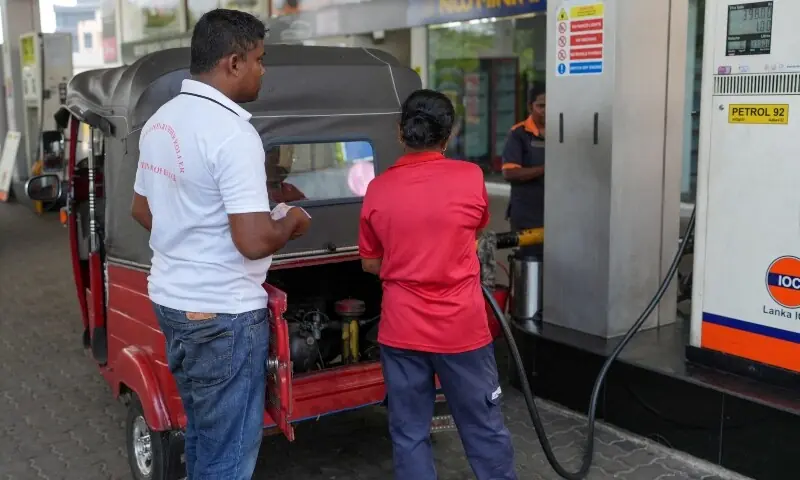
India delayed increases in retail fuel prices even as import costs climbed. Petrol and diesel prices have risen by less than 10pc since the conflict began, compared with increases of 50pc or more in some other oil-importing Asian countries. Although fuel prices are deregulated, the government retains significant influence because it is the majority shareholder in the key retail companies.
High prices in other markets have reduced demand and helped balance undersupplied conditions. In India, however, the government has said it will not compensate fuel retailers for losses. Analysts said that approach would still carry a fiscal cost through channels such as reduced dividends, weakening the state’s financial capacity to respond to the crisis.
A government official said the fertiliser subsidy was likely to rise 20pc in 2026-27. Fertiliser remains crucial to India’s farm economy, which supports nearly half the population, and may become even more important this year because of drought risks linked to El Niño. The government has also cut gasoline and gasoil taxes, giving up 140 billion Indian rupees in monthly revenue.
India is targeting a fiscal deficit of 4.3pc of GDP in the current financial year, but a Reuters poll projected it would widen to 4.7pc, while some economists expect it could reach 5pc. Credit rating agency Crisil said further modest increases in retail oil prices were likely and warned that the effects would spread through the wider economy via higher transport costs, increasing both food and core inflation.
0 Comments
No comments yet. Be the first to join the discussion!