Opposition criticises power, gas outages despite high electricity tariffs
Opposition parties have criticised ongoing electricity and gas loadshedding, saying the outages are unjust despite high tariffs and surplus generation capacity. JUI-F and JI leaders questioned the rationale for continued shortages.

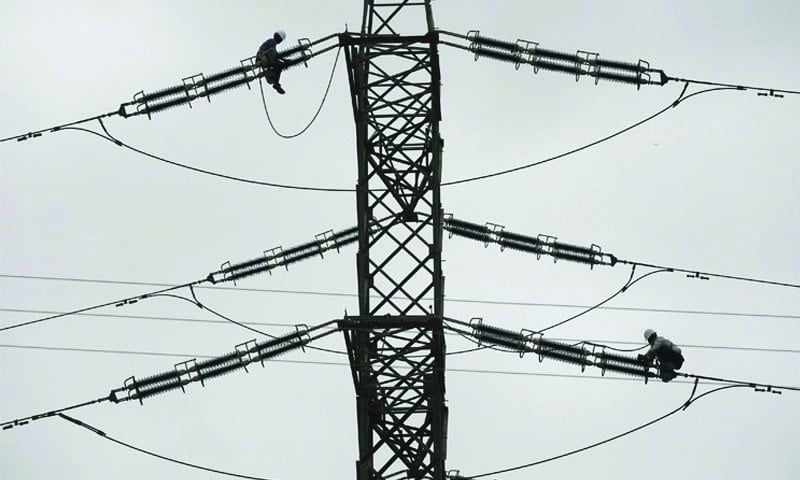
ISLAMABAD: Opposition parties on Thursday strongly criticised continued electricity and gas loadshedding across the country, calling it unfair and describing it as a sign of governance failure despite high electricity prices and claims of surplus generation capacity.
Leaders of Jamiat Ulema-e-Islam-Fazl (JUI-F) and Jamaat-e-Islami (JI) questioned the basis for the outages, saying the consequences of policy decisions were being passed on to the public.
JUI-F spokesperson Aslam Ghauri said the decision to continue loadshedding was unjust to citizens. "On what basis is loadshedding being carried out despite the most expensive electricity?" he asked. "Such injustice is not taking place even in war-affected countries."
He alleged that the rulers were using the fragile regional situation to meet the demands of the International Monetary Fund (IMF).
Questions over generation capacity
Separately, Jamaat-e-Islami chief Hafiz Naeemur Rehman said electricity and gas loadshedding had badly affected the entire country.
He said Pakistan’s power generation capacity was 49,000 megawatts, while present consumption was less than half of that level, but electricity was still not reaching the public.
According to him, even if there were problems in producing electricity through oil and gas, the required power could be obtained through alternative sources.
He also questioned whether the increase in generation capacity had been undertaken only to benefit independent power producers (IPPs). He said IPPs had already received thousands of billions of rupees in capacity charges without producing electricity.
Opposition raises governance concerns
The criticism from the opposition came amid ongoing complaints over electricity and gas shortages in different parts of the country. Both opposition leaders linked the outages to broader policy and governance issues, while arguing that consumers were being made to bear the burden despite paying high tariffs.
Ghauri and Rehman both challenged the rationale for continued loadshedding at a time when, according to the opposition’s statements, generation capacity remained well above current consumption.
Their remarks focused on the contradiction between expensive electricity, the country’s installed generation capacity, and the persistence of power and gas outages affecting households and consumers nationwide.
Comments
No comments yet. Be the first to join the discussion!