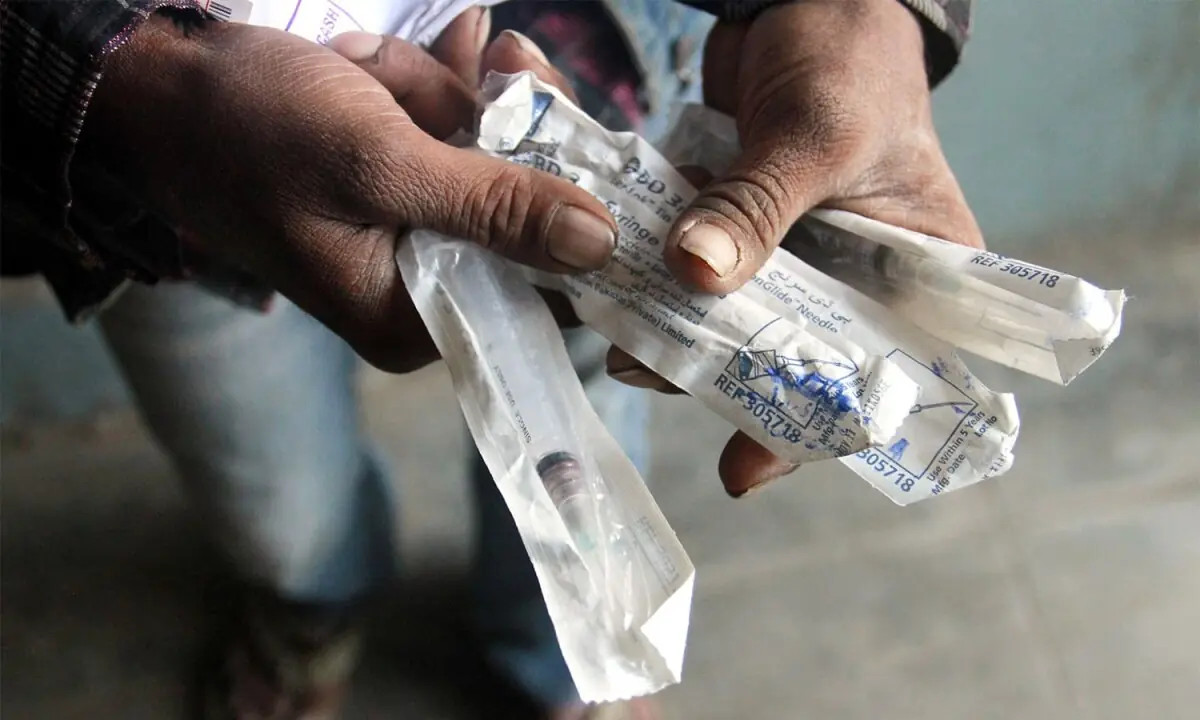
BBC findings expose scale of Taunsa HIV crisis
A Dawn editorial says a BBC investigation into the Taunsa HIV outbreak has exposed a severe public health crisis rooted in unsafe medical practices and weak oversight. It calls for accountability and stronger infection-control enforcement.

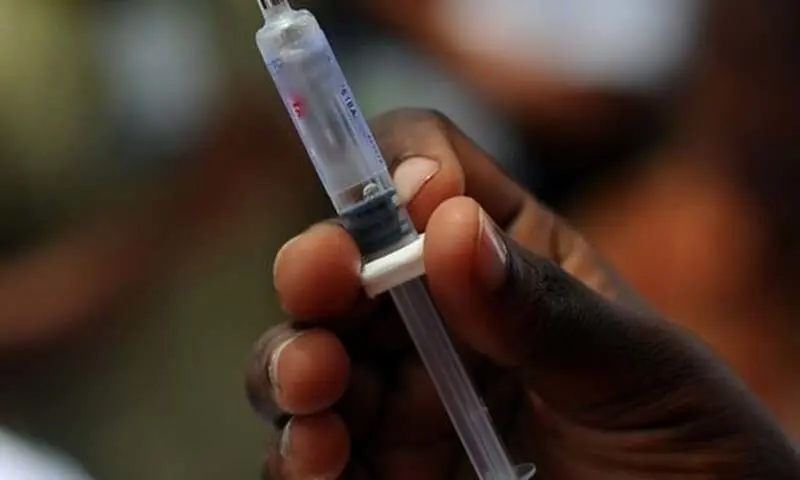
ISLAMABAD: A BBC investigation into the HIV outbreak in Taunsa point to a public health emergency of exceptional scale and reflect deep-rooted failures in infection control and medical oversight.
Referring to the BBC probe and its summary report, the editorial said the situation in Taunsa was not the result of a single lapse but appeared to stem from a healthcare environment in which unsafe practices had become routine. It said the crisis had revealed a system that normalises malpractice, placing already vulnerable patients at further risk.
The sources described the scale of the outbreak uncovered in Taunsa as staggering, saying the reporting had brought renewed attention to how dangerous medical practices can spread infection when basic safeguards are ignored. It said the findings raised serious concerns about the conditions under which children and other patients were being treated.
Unsafe practices and systemic failure
The BBC investigation showed that the outbreak could not be viewed in isolation from broader weaknesses in the health system. It said the report highlighted unsafe handling, poor infection prevention and a wider pattern of malpractice that had been allowed to persist.
The issue went beyond one facility or one district and reflected a larger governance problem in the healthcare sector. The editorial argued that when such practices are tolerated, outbreaks of blood-borne disease become far more likely, particularly in under-resourced settings where oversight is weak.
It said the revelations should prompt urgent scrutiny of how hospitals and clinics are monitored, how infection-control rules are enforced and how accountability is fixed when preventable harm occurs. The editorial stressed that the public health system cannot afford to treat such incidents as isolated episodes.
The findings should serve as a warning that failures in routine medical care can have devastating consequences. It maintained that the problem exposed in Taunsa was not merely administrative, but one with direct implications for patient safety and public trust.
Call for accountability
The response to the crisis must include meaningful accountability and corrective action. The editorial underscored the need for authorities to ensure that infection-control standards are implemented in practice rather than remaining limited to policy on paper.
It also said the episode highlighted the vulnerability of families who depend on public-sector healthcare and may have little ability to question medical procedures or seek safer alternatives. In that context, the editorial suggested that institutional responsibility becomes even more critical.
By drawing attention to the conditions behind the outbreak, the editorial said, the BBC reporting had exposed not only the immediate crisis in Taunsa but also the structural weaknesses that allowed it to develop. It said the revelations should compel health authorities to confront the malpractice and neglect that contributed to the spread of HIV.
The gravity of the situation demanded more than temporary concern, and that the healthcare system must be reformed in a way that protects patients from preventable infection and restores confidence in public medical institutions.
Comments
No comments yet. Be the first to join the discussion!