BBC says infection control breaches persisted at Taunsa hospital after HIV outbreak
A BBC investigation says unsafe practices continued in Taunsa THQ Hospital’s children’s ward months after an HIV outbreak. Punjab’s health department says action was taken and disputes the report’s presentation of the response.

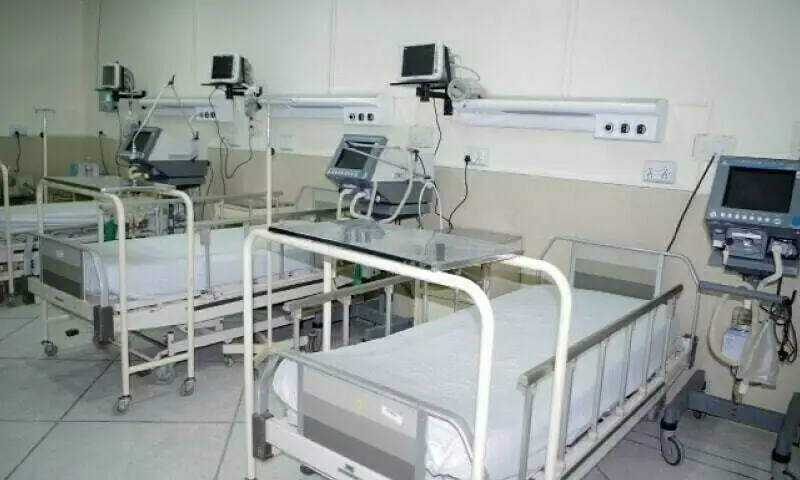
ISLAMABAD: A BBC investigation has reported that serious infection control failures continued in the children’s ward of Taunsa Tehsil Headquarters Hospital months after the facility was linked to an HIV outbreak among children.
According to the broadcaster, a rise in HIV cases at the hospital was first reported in late 2024. Punjab authorities had pledged a crackdown, but covert filming later showed that children were still being exposed to unsafe practices.
The BBC said that after 106 children were infected in Taunsa, health authorities announced a ‘massive crackdown’ and suspended the hospital’s medical superintendent in March 2025. However, an insider at the hospital told the broadcaster that conditions had not changed.
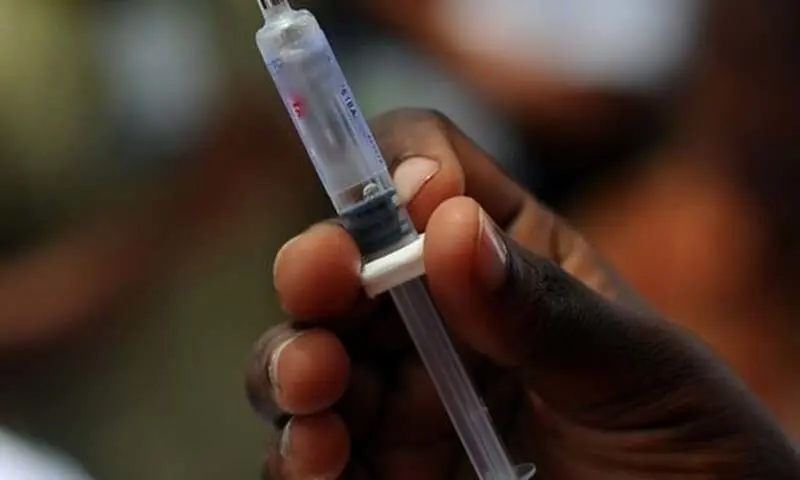
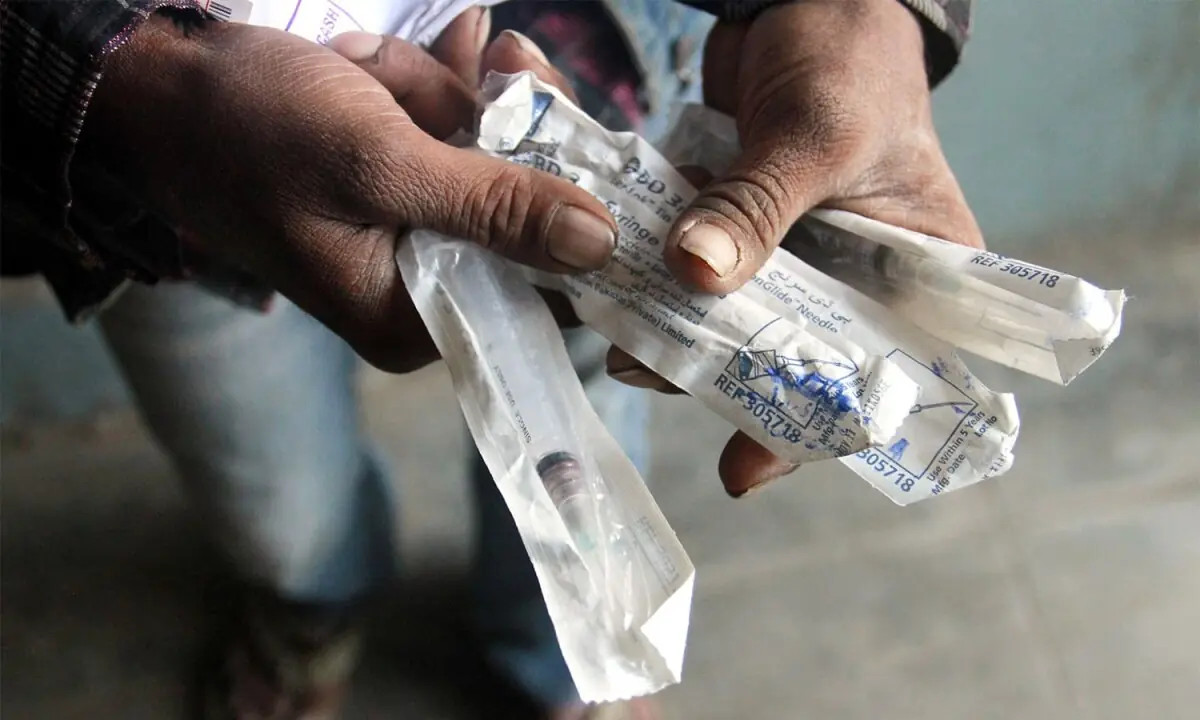
The broadcaster said it carried out undercover filming inside the children’s ward in late 2025 over several weeks. It reported that the footage showed repeated breaches of basic infection prevention procedures, including nurses administering injections through children’s clothes, dirty syringes being passed for reuse, and unqualified volunteers injecting multiple children from a blood-contaminated vial of liquid medicine.
It also said the footage captured other problems, including staff handling medical waste without gloves, used syringes and needles being left exposed, and unqualified volunteers working in the ward despite being officially barred from doing so.
According to the BBC, shortages of staff and supplies appeared to be contributing to the situation. Some families were asked to purchase medicines themselves, while staff under pressure reused equipment or shared medication between patients in order to stretch limited supplies.
The broadcaster reported that at least 331 children in Taunsa tested positive for HIV between November 2024 and October 2025. Among parents who also agreed to testing, fewer than one in 20 were HIV-positive, and said infections continued even after the government intervention in March 2025.
Dr Altaf Ahmed, a consultant microbiologist and infectious diseases expert who reviewed the undercover footage, told the broadcaster that the practices shown carried a high risk of transmitting blood-borne infections, including HIV.
“The chances [of infection] are very high,” he said, “because the vial is contaminated.”
The BBC said it also showed the footage to the hospital’s current medical superintendent, Dr Qasim Buzdar. According to the broadcaster, Dr Buzdar said the video must have been recorded before his tenure. When told that the incidents took place during his time in office, he said it might have been staged.
“Infection prevention controls are followed at THQ Taunsa,” he was quoted as saying.
The local government, in a statement cited by the broadcaster, said that “no validated epidemiological evidence” had “conclusively established THQ as a source” of the outbreak.
The previous medical superintendent, Dr Tayyab Chandio, also denied responsibility. The broadcaster said he was appointed to another government clinic in Punjab weeks after being suspended from THQ in March 2025, where he continues to treat children. The local government said “no inquiry outcome has legally barred” Dr Chandio from practice. Dr Chandio said THQ hospital was not the source of the outbreak.
According to the BBC’s findings, HIV infections among children in Taunsa are still being detected. It reported that 19 new cases were identified in the past four months and that nine children from Taunsa have died after contracting the disease.
Punjab health department response
In its response, the Punjab health department said the cases referred to in the report had been recorded in December 2024 or in 2025 and that action had already been taken. The broadcaster had been given details of the “comprehensive measures” adopted after the outbreak, but these were not included in the report.
“This goes against the principles of responsible journalism,” the statement said.
The department said that after 11 patients from Taunsa were diagnosed with AIDS at the Teaching Hospital in Dera Ghazi Khan in March 2025, it formed a Joint Mission the same month. The mission included UNAIDS, Unicef, WHO and the Common Management Unit.
According to the statement, door-to-door screening of a population of 50,000 continued until August 2025. 34 AIDS cases were identified in seven union councils and that 331 patients were under the age of 12.
The department said an HIV screening and treatment centre was set up at THQ hospital in March 2025. 5,000 people had so far been screened there and that screening and treatment services were being provided daily.
The Joint Mission found that the cases could be linked to “unscreened use of blood or repeated use of syringes” at unregistered clinics or facilities operated by quacks. The department said auto-disable syringes had been supplied to all government hospitals and added: “These syringes cannot be used more than once.”
The statement said 82 cases were identified in April 2025 and 95 in August 2025 during screening. After the required measures were taken, the number of cases recorded in December 2025 fell to four.
According to the health department, 240 clinics run by quacks were sealed in coordination with the Healthcare Commission, while nine first information reports were registered.
Comments
No comments yet. Be the first to join the discussion!