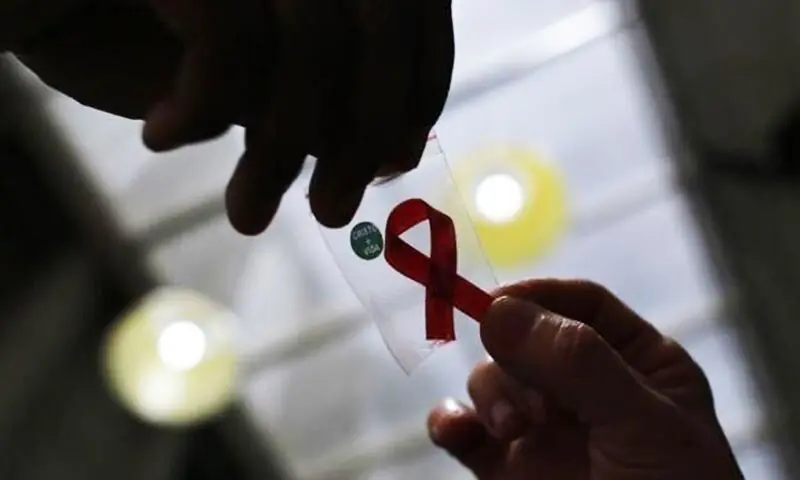
Experts sound alarm over surging healthcare-linked HIV epidemic
A reported increase in HIV cases among children in Karachi has raised concern over infection control failures in hospitals. Figures from two major hospitals indicate many cases may be linked to unsafe medical practices, including reusable syringes.


KARACHI: Infectious disease specialists have warned of a burgeoning public health crisis as unsafe medical practices drive a rapid increase in HIV and Mpox outbreaks across Pakistan, with children increasingly bearing the brunt of systemic failures.
At a press conference held by the Medical Microbiology and Infectious Diseases Society of Pakistan (MMIDSP) on Saturday, experts called for an immediate nationwide enforcement of single-use syringe policies and rigorous infection control. The warning follows a catastrophic cluster identified in November 2025 in Karachi’s Site Town, where over 15 children—some as young as one—tested positive for HIV. At least two of those children have died.
Data shared by the Indus Hospital revealed a harrowing trend: out of 72 HIV-positive children under 15 registered since August 2025, 66 were born to HIV-negative mothers. This effectively rules out perinatal transmission, pointing instead to "high-risk healthcare exposure," including reused needles, unregulated blood transfusions, and unsafe surgical procedures.
"This is the tip of the iceberg," cautioned Dr. Samreen Sarfaraz, noting that many children arrive in advanced stages of the disease. She also highlighted a critical shortage of antiretroviral and anti-tuberculosis drugs following the suspension of USAID funding, warning that treatment interruptions could lead to a rise in drug-resistant cases.
The MMIDSP also launched a White Paper revealing that AIDS-related deaths in Pakistan surged 6.4-fold between 2010 and 2024, rising from 2,200 to 14,000 annually. Despite the escalation, Pakistan maintains some of the world’s lowest service coverage, with only 21 percent of those living with HIV diagnosed and a mere 16 percent receiving treatment.
Dr. Fatima Mir of the Aga Khan University Hospital noted that understaffed facilities and the cultural preference for injections over oral medication exacerbate the risk. She explained that while a single medication vial can technically serve five children, the lack of stringent oversight often leads to cross-contamination.
The experts concluded that the epidemic has shifted from high-risk groups to the general population. They cited historical precedents like the 2019 Ratodero outbreak, where 99 percent of infected children had received medical injections in the year prior to diagnosis, often at the hands of unauthorized "quack" practitioners.
Comments
No comments yet. Be the first to join the discussion!