Global economy under 'major threat' from Strait of Hormuz crisis, warns IEA chief
IEA chief Fatih Birol warns the global economy faces a "major threat" from a potential Strait of Hormuz crisis, saying no country is immune and urging coordinated global action.

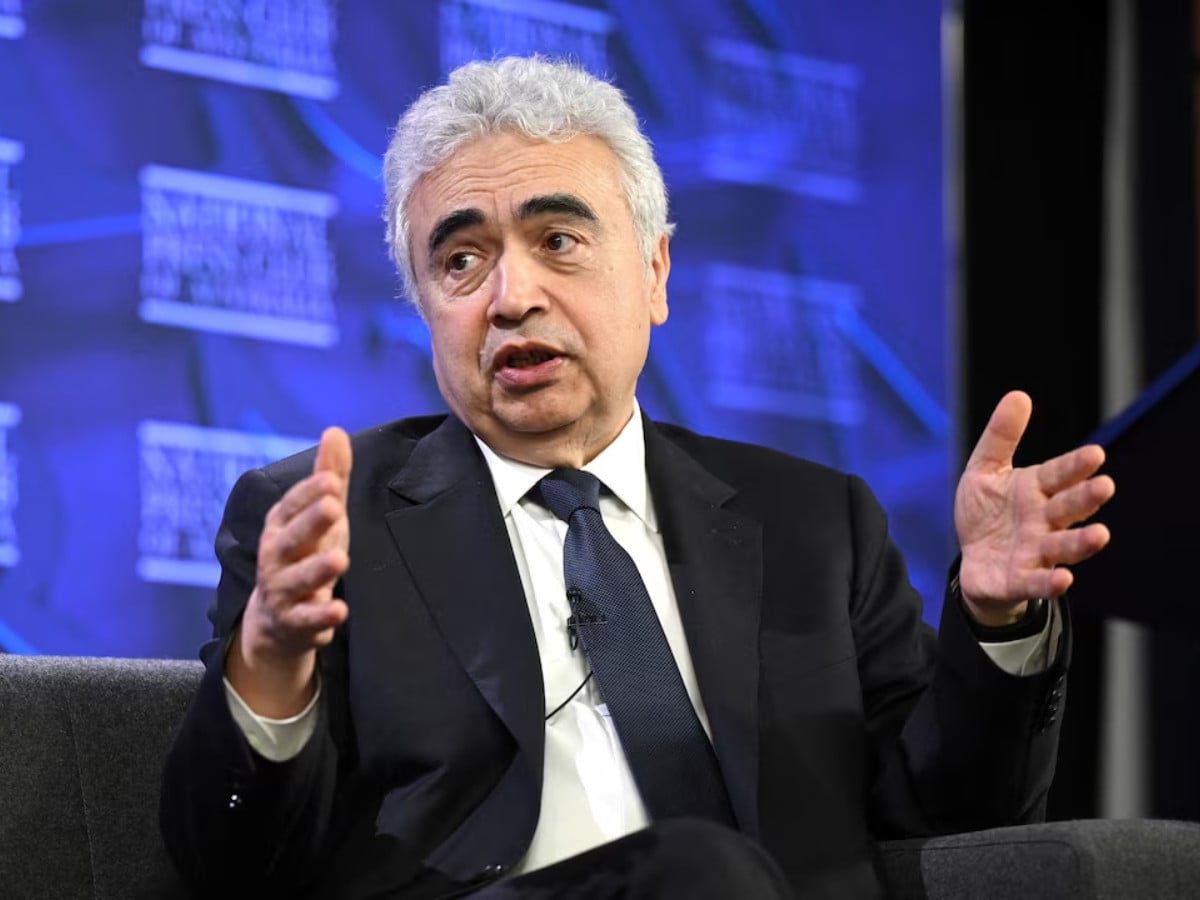
PARIS: International Energy Agency (IEA) chief Fatih Birol has warned that the global economy faces a "major threat" from a potential crisis in the Strait of Hormuz, urging the international community to take collective action to address the situation.
Birol cautioned that no country would be immune from the consequences if the crisis in the strategically vital waterway worsens, underscoring the gravity of the situation for global energy markets and the broader economy.
Strait of Hormuz: a critical chokepoint
The Strait of Hormuz, located between Iran and the Arabian Peninsula, is one of the world's most critical oil transit chokepoints. A significant portion of the global crude oil supply passes through the narrow waterway, making any disruption there a matter of serious concern for energy-importing nations worldwide.
The IEA chief's remarks come amid heightened tensions in the region, with the strait remaining a focal point of geopolitical friction. Birol stressed that the potential fallout from any disruption would not be limited to oil-producing or oil-consuming nations alone but would ripple across the entire global economy.
Call for global action
In his warning, Birol emphasised the need for coordinated global action to prevent the crisis from escalating further. He made clear that the stakes are extraordinarily high, given the volume of energy supplies that transit through the strait on a daily basis.
The IEA has long flagged the vulnerability of global energy supply chains to geopolitical disruptions, and Birol's latest comments represent a sharp escalation in the agency's tone regarding the Strait of Hormuz situation.
The warning from the head of the Paris-based energy watchdog is expected to draw attention from policymakers and energy market participants around the world, as any sustained disruption to the flow of oil through the strait could trigger a spike in global energy prices, with cascading effects on inflation and economic growth across both developed and developing nations.
Birol's call for collective action reflects growing concern among international energy officials that unilateral measures may prove insufficient to safeguard the stability of global energy supplies in the face of escalating regional tensions.
Comments
No comments yet. Be the first to join the discussion!