Oman, Iran continue Hormuz navigation talks as regional diplomacy intensifies
Oman and Iran will continue technical and political talks on Strait of Hormuz navigation under international law. Reports say Muscat proposed separate shipping routes as regional de-escalation efforts grow amid sanctions.

Muscat reportedly proposes separate shipping routes through Strait of Hormuz during talks with Tehran
Qatar, UAE discuss diplomatic efforts to reduce regional tensions and support US-Iran MoU
Fresh sanctions, regional security concerns and Lebanon warning underscore fragile situation
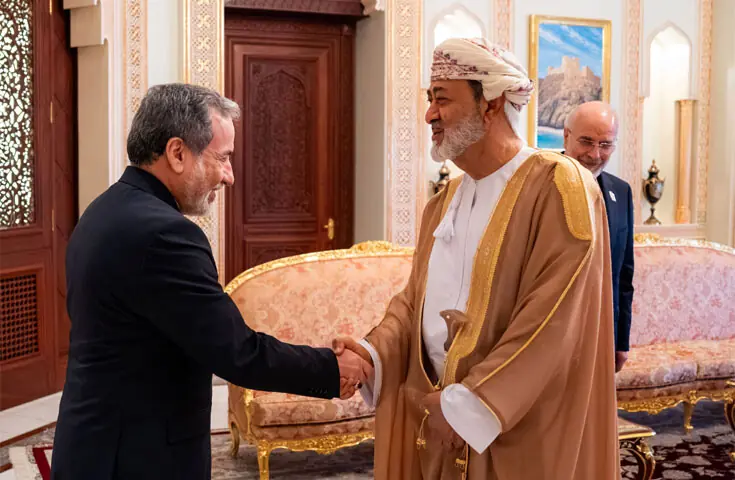
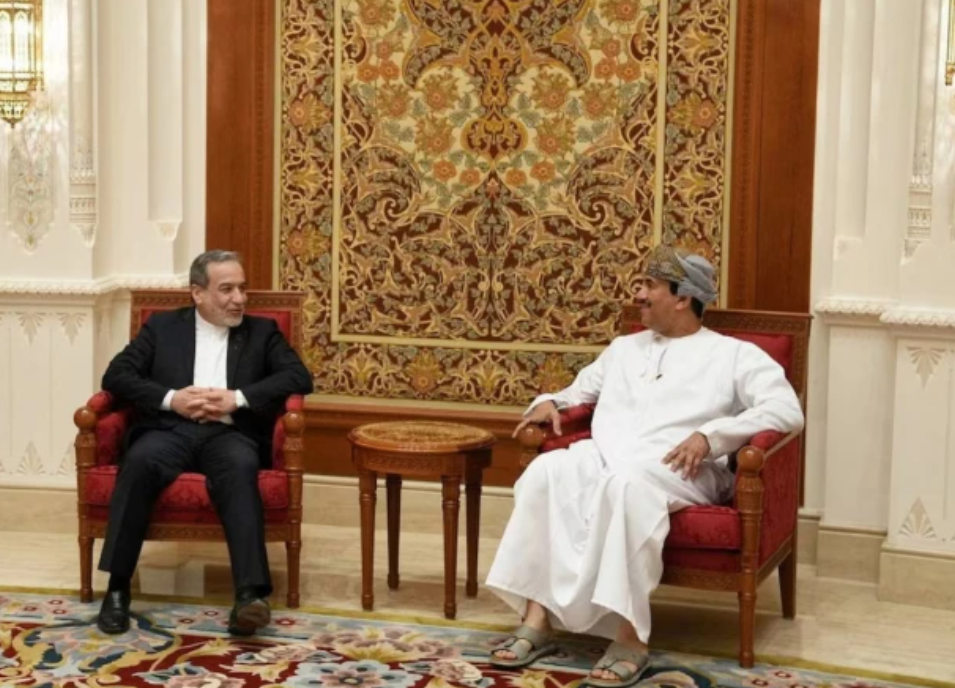
MUSCAT: Oman and Iran have agreed to continue technical and political talks on navigation through the Strait of Hormuz under international law, as diplomatic efforts to ease regional tensions gathered pace amid reports that Muscat had proposed separate shipping routes through the strategic waterway during discussions with Tehran.
According to Al Jazeera, citing sources, Oman raised the proposal during a meeting between Omani Foreign Minister Badr Albusaidi and Iranian Foreign Minister Abbas Araghchi in Muscat.
🇴🇲🇮🇷During the talks in Muscat today, Oman proposed that the south route in Omani waters and north route in Iranian waters will both operate fully, a diplomat briefed on the talks said
🇴🇲🇮🇷The diplomat said that according to the Omani proposal the Southern route will be open…— Syed Abbas Araghchi Commentary (@Araghchhi) July 11, 2026
The report said the Omani side reiterated an approach presented during previous rounds of talks, proposing two separately managed navigation routes through the Strait of Hormuz—one passing through Iranian territorial waters and the other through Omani waters.
According to the report, Iran had rejected the proposal in earlier discussions, insisting instead on a single management mechanism jointly administered by Oman and Iran.
The report added that Iranian officials remained concerned that separate management arrangements could ultimately divert most commercial shipping through Omani waters, bypassing Iran and reducing its leverage in future negotiations.
While various proposals were reportedly discussed during the latest meeting, it remained unclear whether the two sides had reached agreement on any specific formula.
Talks to continue
Meanwhile, Oman’s state news agency said on X that Oman and Iran had agreed to continue technical and political negotiations aimed at reaching an agreement on navigation through the Strait of Hormuz in accordance with international law.
According to the statement, the two sides “held talks in Muscat regarding navigation in the Strait of Hormuz to ensure its safety and freedom in light of the facts and implications arising from recent developments.”
Qatar, UAE discuss de-escalation efforts
Separately, Qatar’s Prime Minister and Foreign Minister, Sheikh Mohammed bin Abdulrahman bin Jassim Al Thani, held a telephone conversation with UAE Foreign Minister Abdullah bin Zayed Al Nahyan to discuss the latest regional developments, according to Qatar’s Ministry of Foreign Affairs.
The two leaders reviewed ongoing diplomatic efforts to “reduce escalation and promote security and stability in the region.”
The Qatari foreign minister stressed the importance of continued dialogue and diplomacy by all parties, as well as the implementation of the US-Iran Memorandum of Understanding (MoU), the statement said.
He also reaffirmed Doha’s “full support for all endeavours aimed at defusing tensions and reaching a comprehensive agreement that achieves lasting peace in the region.”
Fresh tensions complicate diplomacy
Meanwhile, fresh US sanctions on Iran have added another layer of complexity to ongoing diplomacy.
According to Iranian officials, Article 10 of the US-Iran Memorandum of Understanding stipulated that no new sanctions would be imposed during the 60-day negotiation period.
Iran has argued that if Washington does not comply with the memorandum, Tehran will not continue participating in the negotiations.
At the same time, Iran’s supreme leader has vowed revenge for the assassination of his father, adding a personal dimension to an already complex diplomatic situation.
Observers in Tehran say the dominant public sentiment during the week-long funeral procession for the late supreme leader centred on anger and calls for revenge, further complicating prospects for de-escalation.
In a separate development, US Congressman Ro Khanna said members of his delegation were detained by Israeli settlers during a visit to the occupied West Bank on Wednesday.
“I saw the arrogance in the eyes of those settlers. Twenty-one and twenty-two-year-olds with guns, laughing that they had detained us,” Khanna said in an interview with Reuters.
He also criticised what he described as the “arrogance” of Israeli soldiers who later arrived and “continued our detention.”
“The arrogance of those young [Israeli military] soldiers that my tax dollars are funding,” Khanna said. “Having no respect for the fact that they were detaining Americans. No respect for the fact that there was an American Congressperson in that bus.”
Israeli military issues warning in southern Lebanon
Separately, the Israeli military dropped warning leaflets over the town of al-Mansouri in Lebanon’s Tyre district, cautioning residents against approaching Israeli forces.
“Threatened area, stay away,” the leaflets read. “Any approach to Israeli army forces exposes you to danger, do not approach.”
Israel says the Lebanese town falls within its self-declared “security zone,” which its military has been enforcing by opening fire on anyone approaching the area, including civilians and Lebanese soldiers.
Comments
No comments yet. Be the first to join the discussion!