Mideast war threatens energy crisis worse than 1970s oil shocks, warns IEA chief
The IEA chief warns the Middle East war could spark an energy crisis worse than both 1970s oil shocks combined, as the US threatens Iran over the Strait of Hormuz closure.

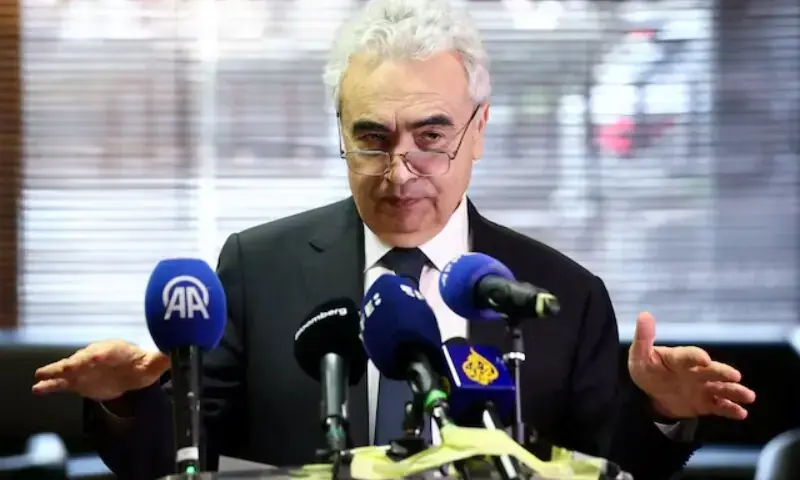
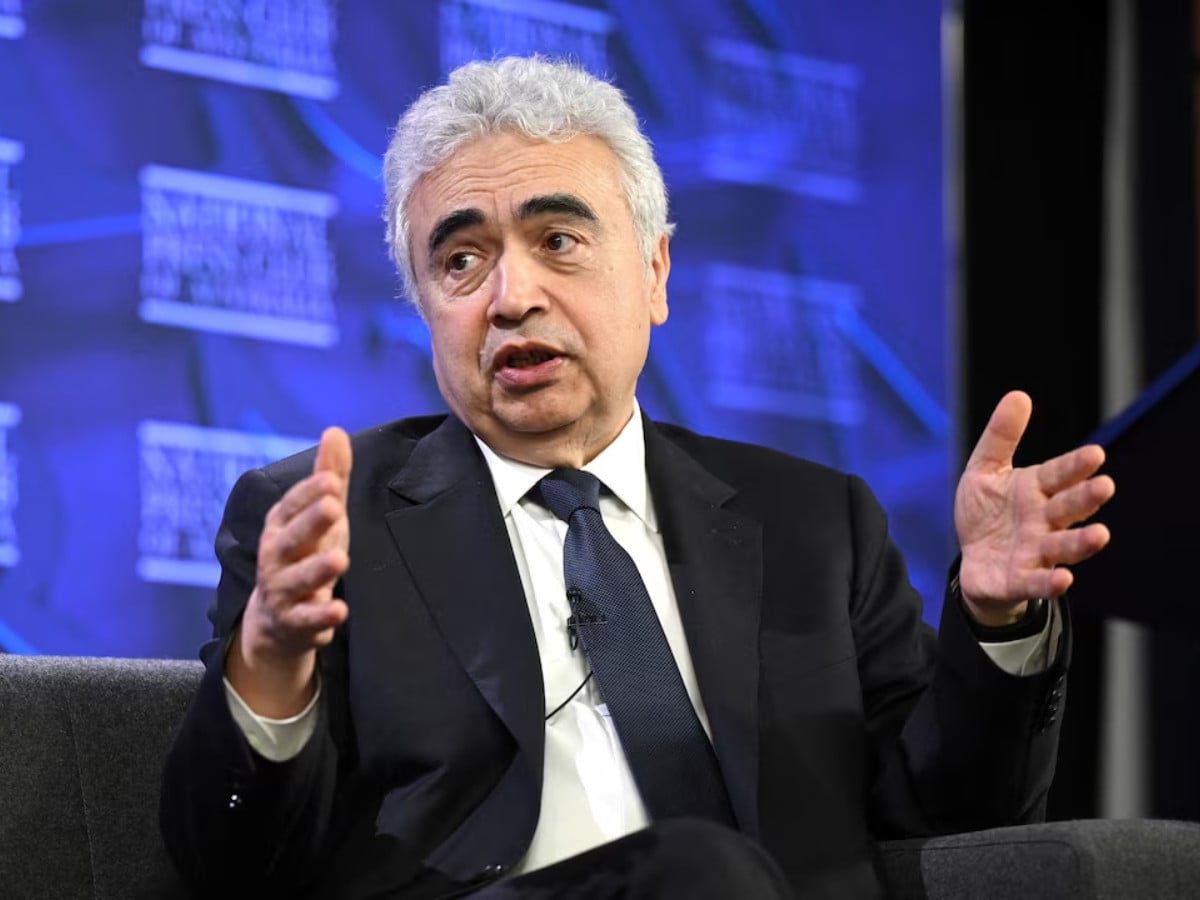
PARIS: The head of the International Energy Agency (IEA) has warned that the ongoing Middle East conflict could trigger an energy crisis more severe than both 1970s oil shocks combined if the war continues to escalate.
The warning came on Monday as Israel launched fresh strikes on Tehran and indicated that fighting could persist for weeks. The conflict has now entered its fourth week, with tensions between the United States and Iran reaching a critical juncture.
Trump's ultimatum to Iran
US President Donald Trump threatened to "obliterate" Iranian power plants if Tehran failed to reopen the Strait of Hormuz within 48 hours, setting an effective deadline of 23:44 GMT on Monday, which translates to 4:44am PKT on Tuesday.
Iran has been throttling traffic through the strategically vital waterway — a conduit for a fifth of the world's crude oil — as a retaliatory measure against US-Israeli assaults. Tehran has also targeted energy sites and US embassies across the Gulf, in addition to firing missiles and drones at Israel.
Iran's firm response
The Islamic republic responded firmly to the latest ultimatum. Powerful parliament speaker Mohammad Bagher Ghalibaf vowed that vital infrastructure across the region would be "irreversibly destroyed" if Trump acts on his threat.
The escalating standoff over the Strait of Hormuz has raised alarm bells across global energy markets, given the waterway's critical role in facilitating roughly one-fifth of the world's crude oil shipments. Any prolonged disruption to traffic through the strait could have far-reaching consequences for energy supplies worldwide.
Echoes of the 1970s energy crisis
The IEA chief's warning draws a stark comparison to the oil shocks of the 1970s, which sent energy prices soaring and triggered economic turmoil across the globe. The 1973 oil embargo and the 1979 energy crisis, both linked to Middle Eastern geopolitics, reshaped global energy policy for decades. The current assessment suggests the unfolding situation could surpass the combined impact of both those crises if the conflict drags on without resolution.
The convergence of direct military strikes on Tehran, threats against Iran's energy infrastructure, and the disruption of one of the world's most critical oil transit routes has created what experts view as a potentially unprecedented threat to global energy security.
As the deadline set by President Trump approached, the international community remained on edge, with the outcome of the standoff poised to have significant implications for global oil prices and energy stability in the weeks ahead.
Comments
No comments yet. Be the first to join the discussion!